
Rising Hypertension Rates Among Youth Pose Growing Public Health Crisis in Bangladesh
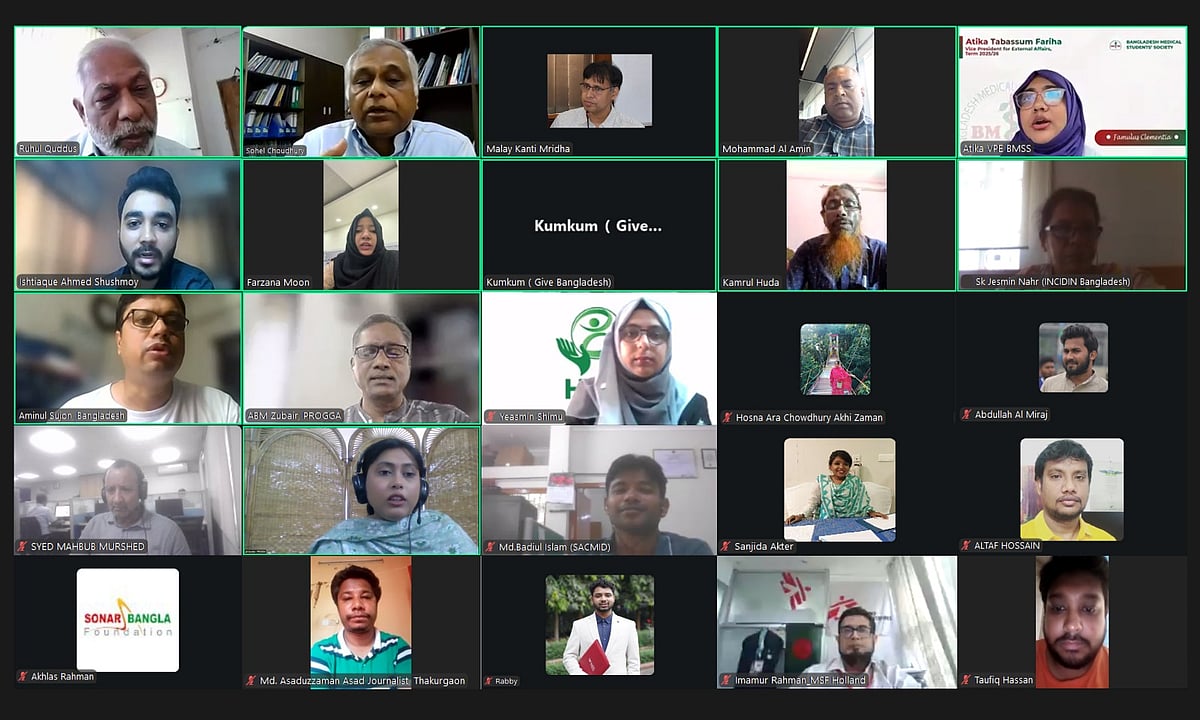
Photo Collected
Hypertension has emerged as the leading health concern in Bangladesh, with a particularly alarming rise in prevalence among the nation’s youth. Recent data indicates that approximately 12 percent of individuals aged 18 to 39 are now suffering from high blood pressure, driven by sedentary lifestyles, poor dietary habits, lack of physical activity, and increasing air pollution. Experts have advised that individuals over the age of 30 should undergo hypertension screenings at least once annually.
These findings were presented on Tuesday during a webinar titled “Hypertension Risk Among Youth and Actions: The Bangladesh Perspective.” The event, organized by the research and advocacy organization Progga in collaboration with the Global Health Advocacy Incubator, was held to mark International Youth Day 2026.
According to a World Health Organization report, heart-related diseases claimed approximately 283,800 lives in Bangladesh in 2024, with hypertension identified as a contributing factor in 52 percent of those cases. Non-communicable diseases are currently responsible for 71 percent of all deaths in the country, yet speakers at the webinar noted that government budget allocations for this health sector remain insufficient to meet the growing demand.
Professor Sohel Reza Chowdhury, head of epidemiology and research at the National Heart Foundation Hospital and Research Institute, highlighted that while non-communicable diseases such as heart disease, cancer, diabetes, and respiratory illnesses are major global health burdens, the situation in Bangladesh is uniquely concerning due to the premature nature of these deaths. He noted that while mortality from such conditions typically occurs after the age of 70 in other countries, many Bangladeshis are suffering heart attacks in their 50s, representing a critical demographic crisis. He cited tobacco use and diets high in fat, sugar, and salt as primary drivers of these trends.
Professor Moloy Kanti Mridha, director of the Center for Non-Communicable Diseases and Nutrition at the BRAC James P. Grant School of Public Health, emphasized the need for a coordinated national response. He advocated for integrated healthcare systems that provide both medicinal treatment and structured guidance on lifestyle modifications. He underscored that a diet rich in fruits and vegetables, combined with regular physical exercise and the avoidance of tobacco and alcohol, significantly reduces the risk of hypertension.
Muhammad Ruhul Quddus, Bangladesh country lead for the Global Health Advocacy Incubator, pointed to the increasing consumption of fast food among young people as a leading cause of obesity and subsequent hypertension. To combat this, he proposed the establishment of “Health Clubs” in every university to promote healthy living and raise awareness about medical screenings.
Concluding the webinar, ABM Zubair, Executive Director of Progga, noted that youth account for nearly 35 percent of Bangladesh’s total population. He warned that if this segment of society remains burdened by preventable chronic illnesses, it will pose a significant challenge to the nation’s development. The event also featured contributions from various health experts, including representatives from the Bangladesh Health Reporters Forum and Vital Strategies, and was moderated by Progga program officer Samiha Binte Kamal.
0%
0%
0%
0%