
Negligence and Administrative Failures Fuel Deadly Measles Outbreak Across Bangladesh Claiming 880 Lives
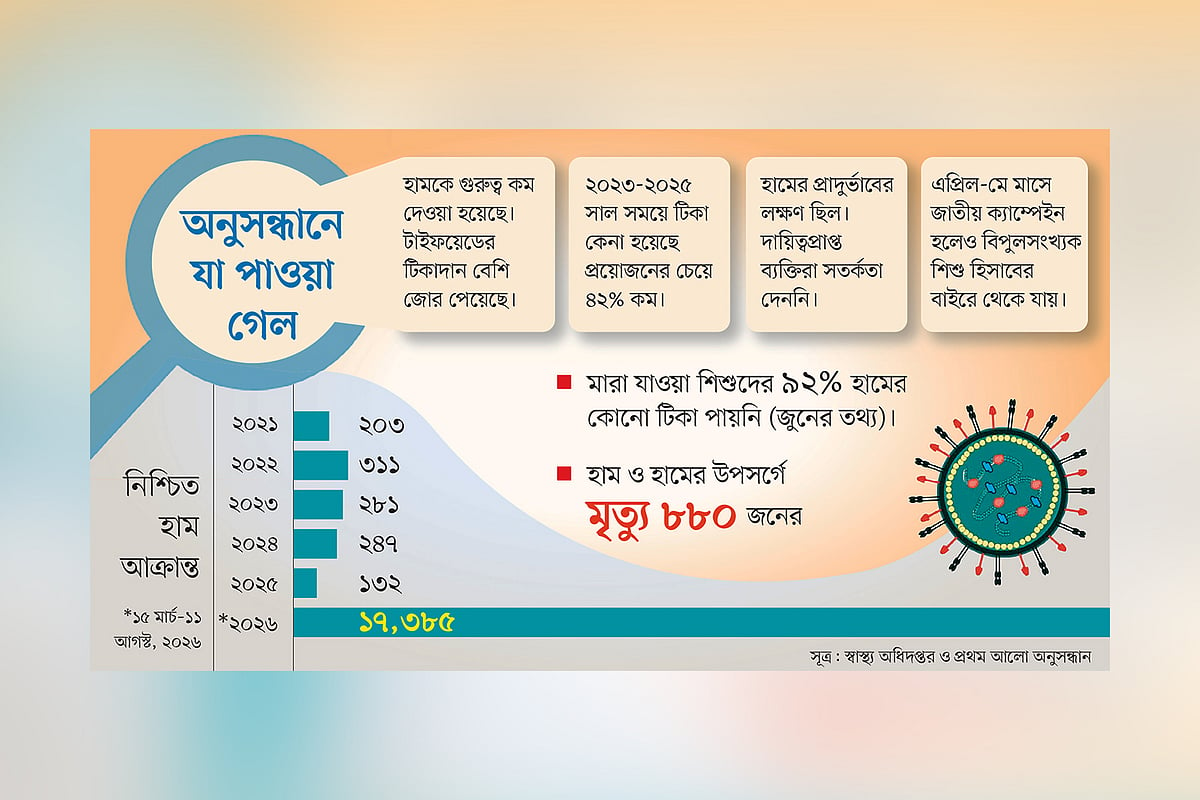
Photo Collected
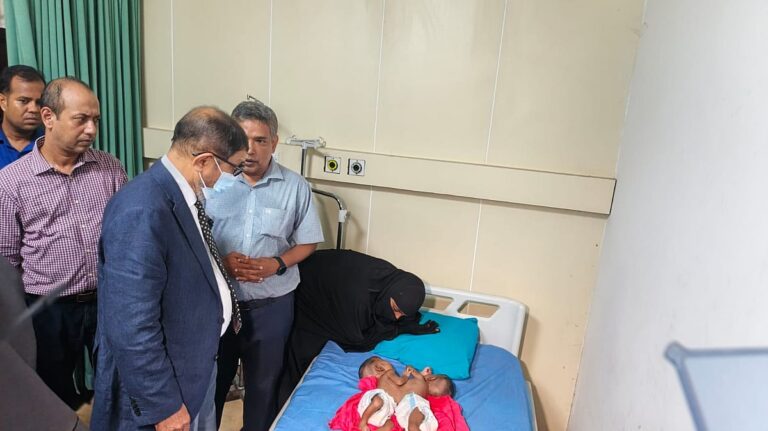
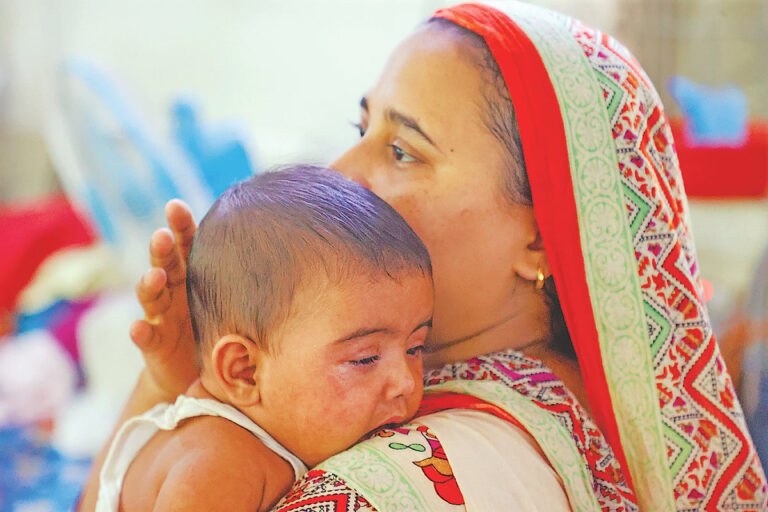
A massive measles outbreak has claimed the lives of 880 children in Bangladesh since March 15, exposing severe systemic failures, administrative negligence, and a breakdown in the national immunization program. Investigative findings reveal that the current public health crisis is the result of bureaucratic inertia, misprioritized vaccination programs, and critical coordination failures between the Ministry of Health, the Directorate General of Health Services (DGHS), and international partners, including the World Health Organization (WHO) and UNICEF.
The crisis stems from a series of policy missteps, most notably the repeated postponement of the national measles-rubella vaccination campaign. Originally scheduled for September 2025, the campaign was delayed until April 2026 to prioritize a typhoid vaccination drive. Health experts emphasize that measles, a highly contagious disease with a high risk of outbreaks, was sidelined for typhoid, which has a comparatively lower risk of sudden, large-scale outbreaks.
Compounding this, Bangladesh reduced its procurement of measles-rubella vaccines by 42% between 2023 and 2025. Despite clear warnings of low immunization coverage and a rising number of confirmed measles cases, the Expanded Program on Immunization (EPI) and its international advisors failed to alert policymakers or issue warnings of an impending outbreak. Data analysis shows that 92% of the children who succumbed to the disease had not received a single dose of the measles vaccine.
The failure was further exacerbated by administrative instability. Shifts in governance, including the transition of the interim government, led to disruptions in procurement processes and labor strikes by health workers, which stalled regular immunization services. Experts argue that had the national vaccination campaign been completed at least six months earlier, the severity of the outbreak could have been prevented.
Internal documents and meeting minutes from the Inter-Agency Coordinating Committee (ICC) confirm that while typhoid vaccination was discussed extensively, the risks associated with measles were consistently ignored or minimized. Even after the outbreak began, the national campaign suffered from poor management and significantly inaccurate target setting, leaving millions of children vulnerable.
Public health specialists, including those from the National Verification Committee on Measles and Rubella and various academic institutions, have criticized the reliance on slow-moving bureaucratic processes and the lack of urgency in addressing vaccine shortages. Reports indicate that vaccine stockpiles were allowed to reach critical lows, and efforts to reform procurement—moving from donor-dependent models to local revenue-based systems—were implemented without adequate preparation, causing further delays.
Families of the victims, such as the parents of eight-month-old Faiyaz Hasan Tazim, who died on April 22, are now demanding accountability. Despite the loss of over 800 lives, government officials and international agencies have yet to formally acknowledge their role in the mismanagement of the immunization schedule. Experts stress that the current disaster is a direct consequence of prioritizing administrative changes and unrelated health initiatives over the fundamental duty of maintaining a robust, uninterrupted childhood vaccination program.
0%
0%
0%
0%