Escalating Gang Violence and Extortion Rackets Plague Chittagong as Armed Criminals Operate with Impunity
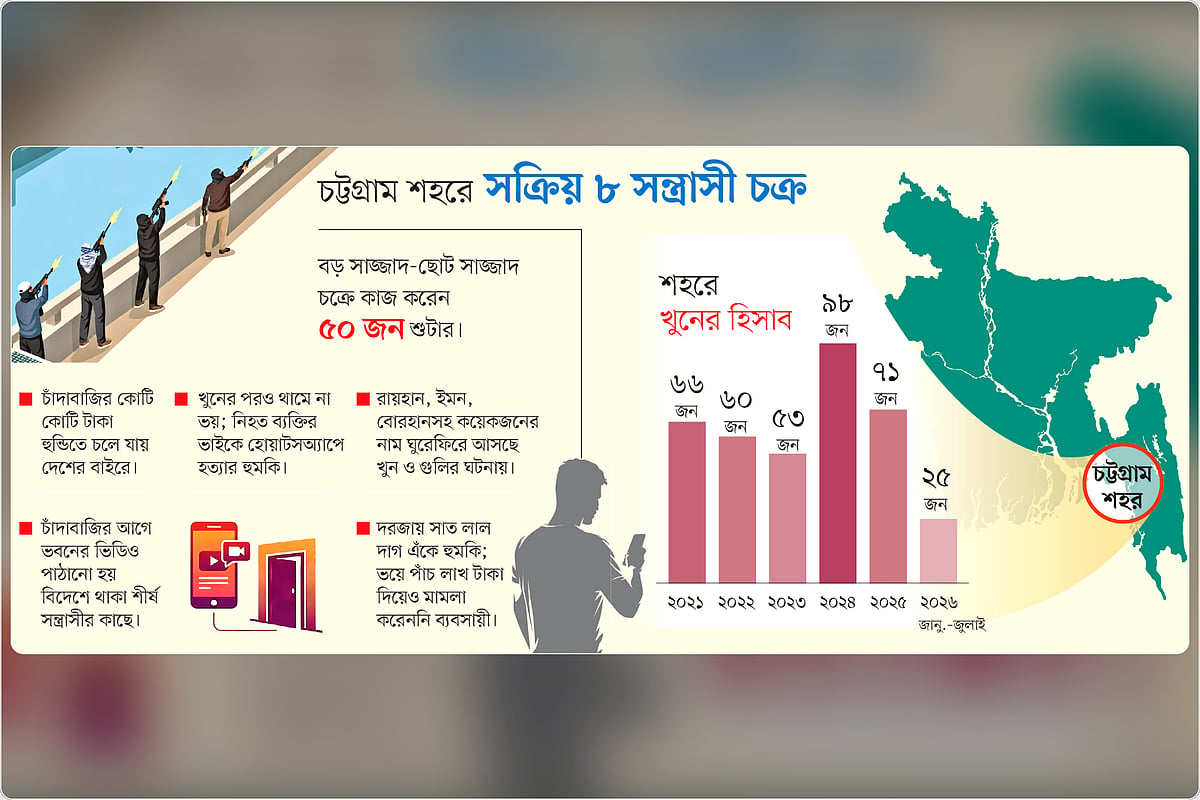
Photo Collected
Chittagong is currently facing a severe surge in criminal activity, characterized by brazen daylight shootings, extortion, and the unchecked dominance of at least eight organized armed syndicates. Residents and business owners in areas such as Chandgaon, Bayezid, Panchlaish, and Bakalia are living in constant terror as these criminal groups—often operating under the command of fugitives hiding abroad—extort massive sums from construction firms and local businesses with impunity.
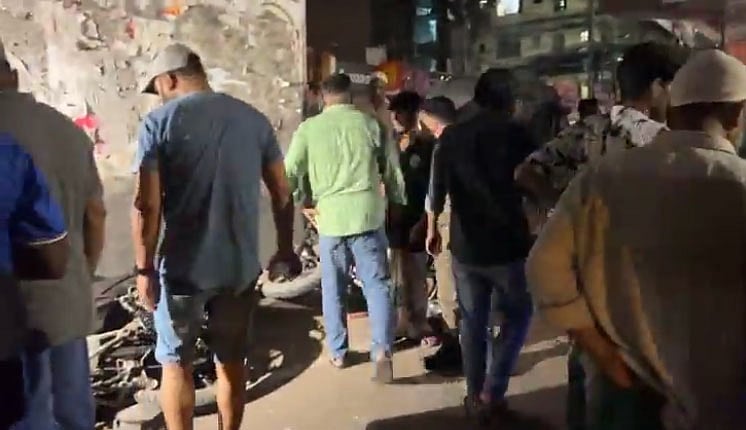
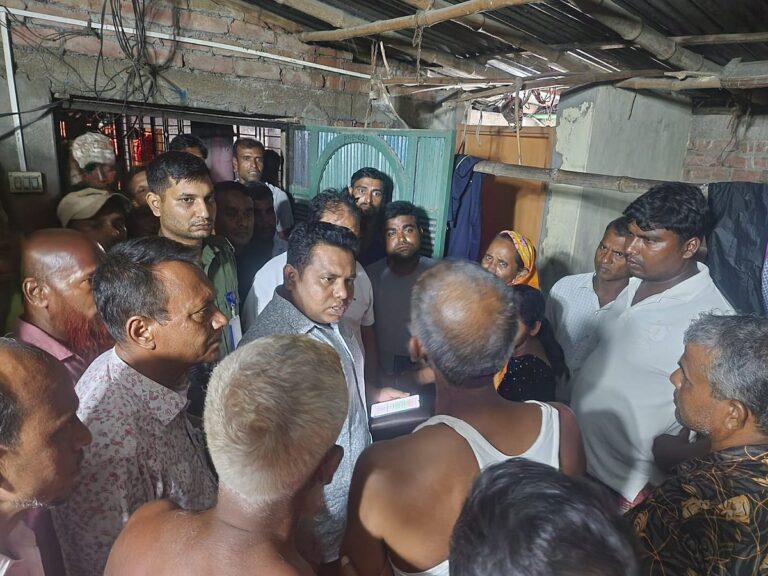
The extent of the lawlessness was highlighted by a recent attack at the residence of a businessman in Chandanpura, under the Chawkbazar police station. Despite a police presence at the site, gunmen armed with SMGs, Chinese rifles, and shotguns opened fire, shattering windows and terrorizing the neighborhood. Witnesses reported that the assailants operated with complete disregard for the authorities, who failed to mount an immediate resistance.
According to investigations, Sajjad Ali, a notorious criminal operating from abroad, remains the kingpin of Chittagong’s underworld. Sajjad, who has been controlling a vast network since fleeing the country in 2004, demands millions in extortion money. Victims who refuse to pay are subjected to targeted shootings and threats. Smart Group Chairman Mostafizur Rahman revealed that after failing to pay a 100 million BDT extortion demand, his home was attacked multiple times, despite police protection and formal legal complaints.
The city’s criminal landscape is currently divided among several high-profile groups, including those led by Sajjad Hussain (known as “Little Sajjad”), David Emon, Mohammad Raihan, Shahidul Islam (head of the Buissa gang), Barma Saiful, and factions led by Morshed Khan and the Abdus Sobhan-Shawkat alliance. In addition to these, dozens of teenage gangs and over 300 active criminals identified by police contribute to the city’s volatile security situation.
Official police data shows a distressing trend: from August 2024 to May 2025, at least 125 murder cases were recorded in Chittagong, with 25 people killed in the first seven months of this year alone. Investigations into 35 high-profile killings revealed that at least 22 victims were shot dead, pointing to the widespread availability of illicit firearms. Intelligence reports suggest that following the political transition in July 2024, weapons have changed hands, and new shipments are reportedly entering the city via the Myanmar border and hilly regions.
Criminal operations are highly organized. Syndicates use scouts to monitor construction sites and businesses, recording video footage of potential targets to estimate extortion amounts. These criminal enterprises have even integrated modern technology, using WhatsApp to issue threats and “swear-in” new recruits by having them take oaths on religious texts while filming the process to ensure loyalty to gang leaders.
While Chittagong Metropolitan Police (CMP) Commissioner Hasan Md. Showkat Ali stated that operations against these groups are ongoing and that several key figures have been arrested, the public remains skeptical. Many victims refuse to report crimes to the police, citing fear of retaliation and the perception that some low-level law enforcement members may be complicit in receiving regular kickbacks from these syndicates.
Civil society leaders and political figures have criticized the lack of effective intervention. Akhtar Kabir Chowdhury, president of the Chittagong chapter of the advocacy group SHUJAN, emphasized that criminal syndicates thrive on political patronage and a lack of impartial administration. He warned that until law enforcement operates with complete neutrality and severs the link between political actors and criminals, the cycle of extortion, shootings, and terror will continue to plague the port city.
0%
0%
0%
0%