Jamaat-e-Islami Chief Shafiqur Rahman Demands Extradition of Former Prime Minister Sheikh Hasina
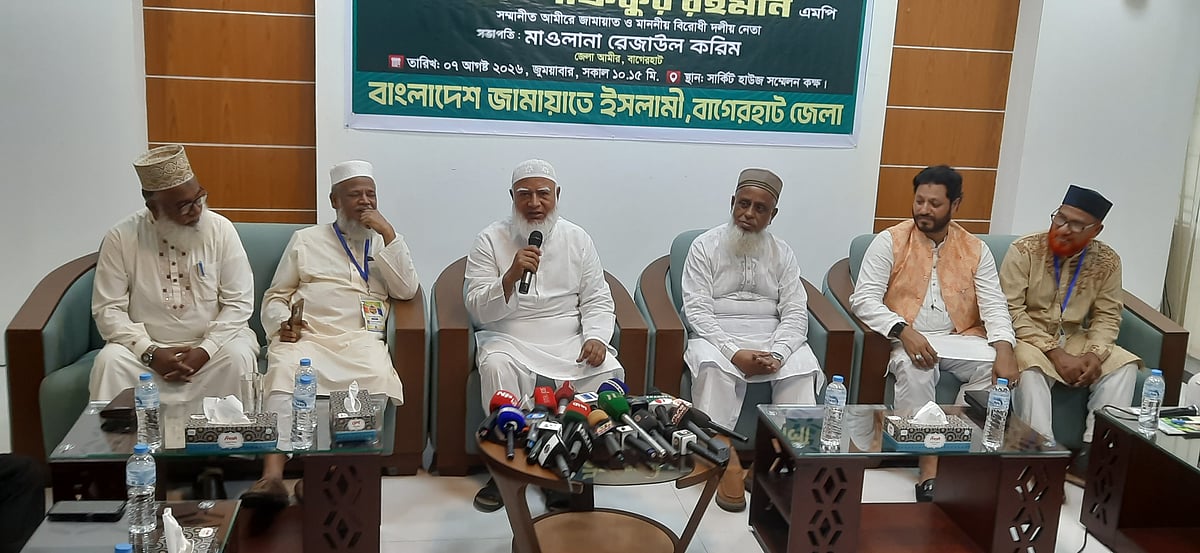
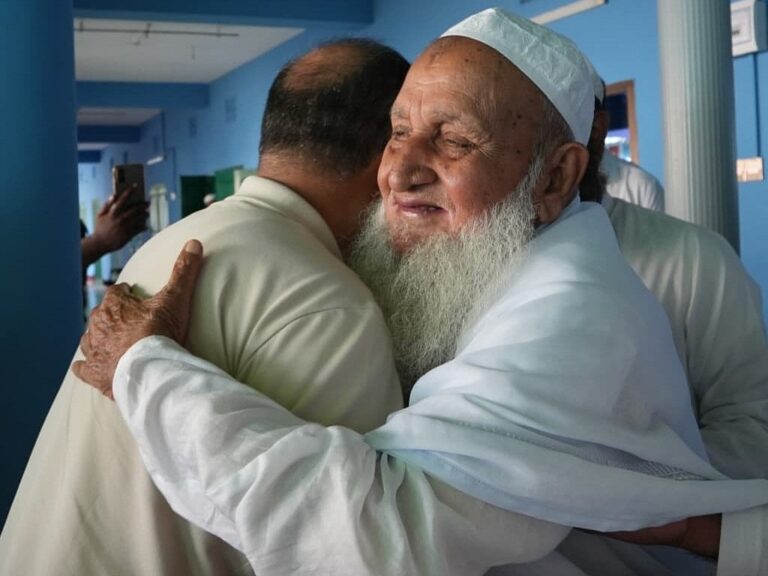
Photo Collected
Bagerhat, Bangladesh — Jamaat-e-Islami Amir Shafiqur Rahman has questioned why the interim government has not taken active steps to repatriate ousted Prime Minister Sheikh Hasina, who fled to India following the mass uprising in July.
Speaking at a meeting with local journalists at the Bagerhat Circuit House on Friday, Rahman expressed skepticism regarding the delay in her return, specifically citing the existing extradition treaty between Bangladesh and India. He emphasized that the government should take responsibility for bringing her back to face pending judicial processes. While asserting that Hasina must answer for the charges against her, he maintained that his party advocates for fair and transparent legal proceedings.
Addressing the current national security climate, Rahman stated that maintaining law and order is the primary responsibility of the government in power. He remarked that political violence, driven by the exertion of muscle power, has been a persistent issue throughout the nation’s history, noting that no previous administration had successfully eliminated such practices from the political landscape.
During the discussion, the Jamaat leader underscored the critical role of the media as the fourth pillar of the state. He urged journalists to remain objective and fearless in their reporting, emphasizing that a robust and functional press is essential for government accountability. He warned that if the media fails to uphold its integrity, the entire state apparatus risks becoming ineffective.
Rahman further commented on the public’s perception of the interim administration, noting that citizens have become frustrated with the government’s performance within a relatively short period. He suggested that many of the country’s ongoing issues could have been resolved if the government had sought collaboration with other political stakeholders.
Regarding the potential political rehabilitation of the Awami League, Rahman dismissed the possibility of their return to the political mainstream in the near future. He characterized the former ruling party’s legacy as one of terror, extrajudicial killings, and enforced disappearances, arguing that they have not yet earned the moral standing to participate in democratic processes.
Following the media briefing, the Jamaat-e-Islami Amir attended a membership conference at the Bagerhat Ali Madrasa. He concluded his visit by joining party members for Friday prayers at the historic Sixty Dome Mosque.
0%
0%
0%
0%