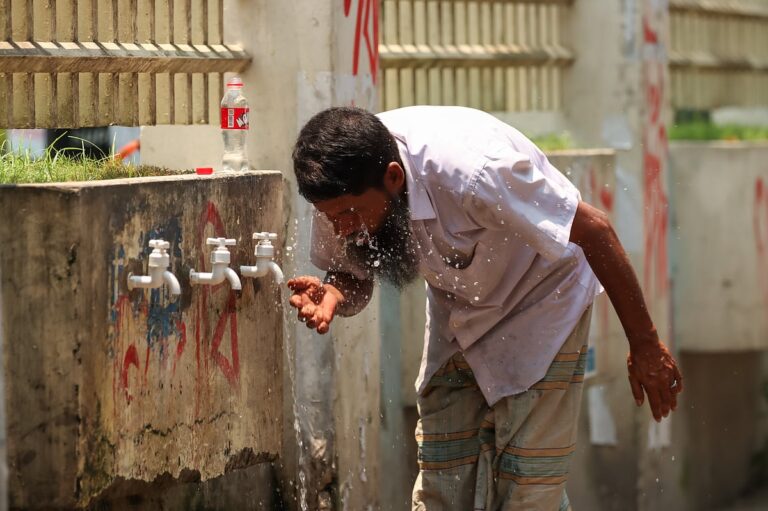
Chittagong WASA Under Fire Over Price Hike Proposal Amid Mounting System Losses and Unpaid Bills
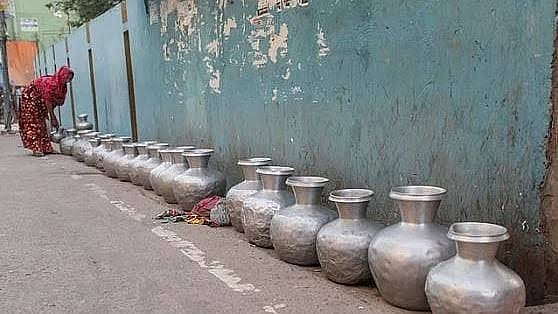
Photo Collected
Chattogram WASA is facing intense public and internal scrutiny after proposing a 5 percent increase in water tariffs for residential and commercial customers, despite grappling with chronic operational inefficiencies and mounting unpaid bills. The utility provider currently produces an average of 500 million liters of water daily, yet approximately 125 million liters—or 25 percent of its total output—is lost to “system loss,” representing an annual financial drain of roughly 1.46 billion taka in production costs.
This proposal for a rate hike comes at a time when the agency’s financial health is under pressure, with outstanding customer bills reaching approximately 2.41 billion taka as of April. While WASA’s board recently discussed the tariff increase, the decision was deferred in favor of forming a four-member committee tasked with gathering input from consumer representatives and industry experts. The delay follows widespread backlash, including a formal demand from the Consumers Association of Bangladesh (CAB) for the organization to retract the proposal entirely.
WASA officials have defended the need for higher revenue by citing the rising costs of electricity, chemical processing, and debt servicing related to nearly 8.5 billion taka in infrastructure projects implemented over the last 15 years. These investments have successfully expanded the city’s production capacity to 560 million liters per day through new treatment plants and modernized pipeline networks. However, critics argue that the agency should prioritize internal reform before placing further financial burdens on the public.
The persistence of the 25 percent system loss rate remains a point of contention. While WASA’s management blames a mix of illegal connections, water theft, faulty metering, and billing inaccuracies, the organization remains divided on the primary source of the leakage. Its own engineering and revenue departments have offered conflicting assessments, with engineering staff attributing only 3 percent of the loss to pipeline leaks, while revenue officials estimate that figure could be as high as 15 percent.
Managing Director Selim Md. Jane Alam maintained that the agency is committed to a turnaround, citing plans to transition to digital billing and a phased rollout of smart, prepaid meters. He stated that the objective is to reduce system losses from 25 percent to 15 percent within the next year.
Consumer advocates remain skeptical of these assurances. CAB central vice president S.M. Nazer Hossain argued that passing the costs of systemic mismanagement onto customers is unjustifiable, especially when many residents still report erratic supply, poor water quality, and inadequate pressure. According to CAB, WASA must first demonstrate accountability by eliminating water theft, repairing faulty infrastructure, and aggressively collecting long-overdue payments before considering any adjustments to its pricing structure.
0%
0%
0%
0%