Rising Temperatures and Declining Rainfall Push Barishal Toward Climate Crisis
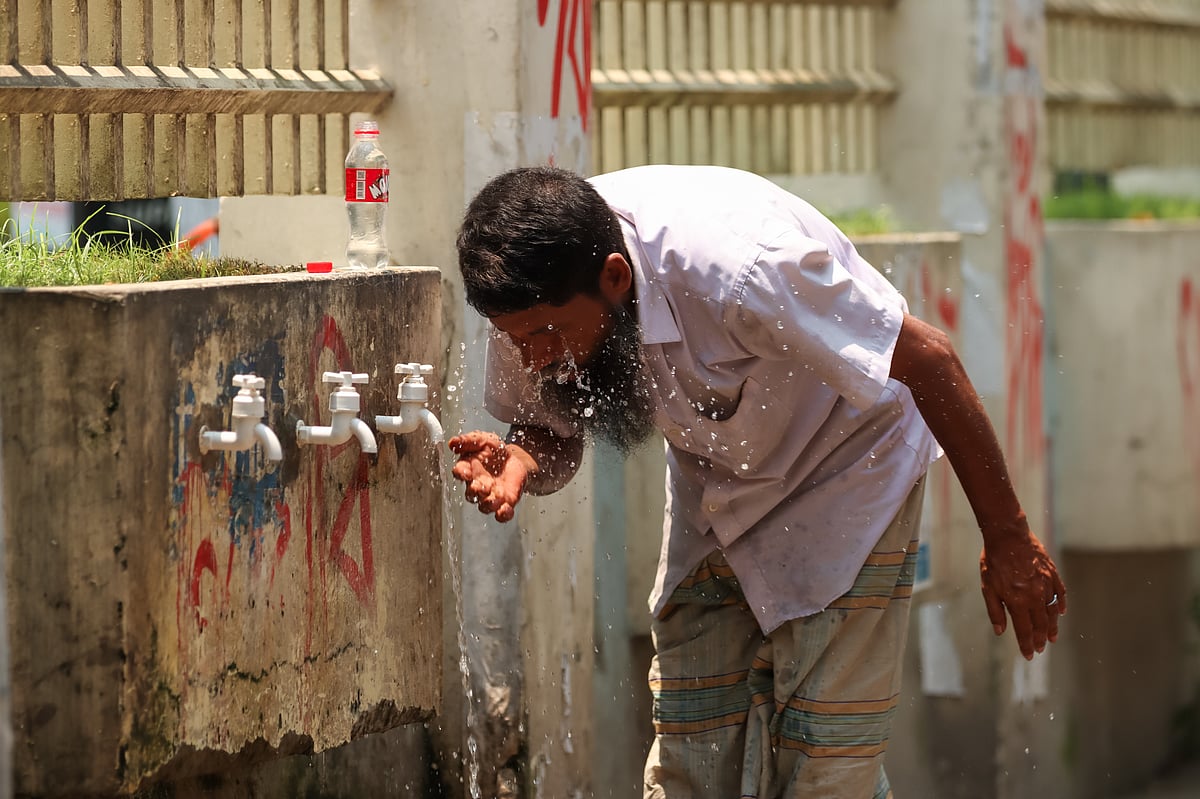
Photo Collected
The southern Bangladeshi city of Barishal is experiencing a steady climb in temperatures coupled with a decline in rainfall, a trend experts warn is disrupting public health, economic productivity, and daily life. Research conducted by the Department of Geology and Mining at the University of Barishal indicates that between 1961 and 2019, the city’s average maximum temperature rose by 0.33 degrees Celsius, while annual rainfall dropped by 0.18 millimeters.
The findings, published in the *Malaysian Journal of Geosciences* in 2020, utilized historical data from the Bangladesh Meteorological Department, NASA, and the U.S. National Oceanic and Atmospheric Administration. The analysis reveals that nighttime temperatures are rising more rapidly than daytime temperatures. Seasonal shifts are also becoming more pronounced, with significant decreases in precipitation observed during the winter, pre-monsoon, and monsoon months, particularly in June.
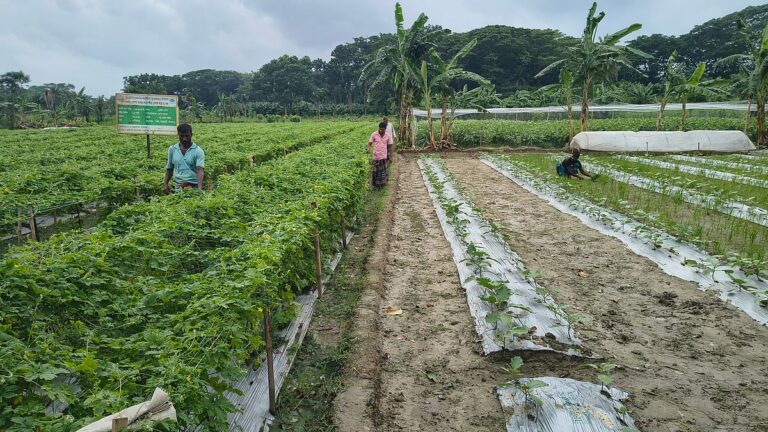
Abdullah Salman, an environmental geophysicist currently conducting doctoral research at the University of Nebraska-Lincoln, noted that the combination of rising heat and humidity is causing soil moisture depletion, increasing salinity intrusion in coastal areas, and straining irrigation-dependent agriculture. Salman emphasizes that the city is rapidly transitioning toward a hotter, more humid climate, making urban greening and the preservation of water bodies essential to mitigate heat-related risks.
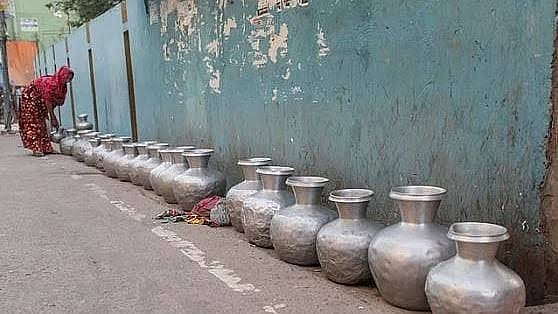
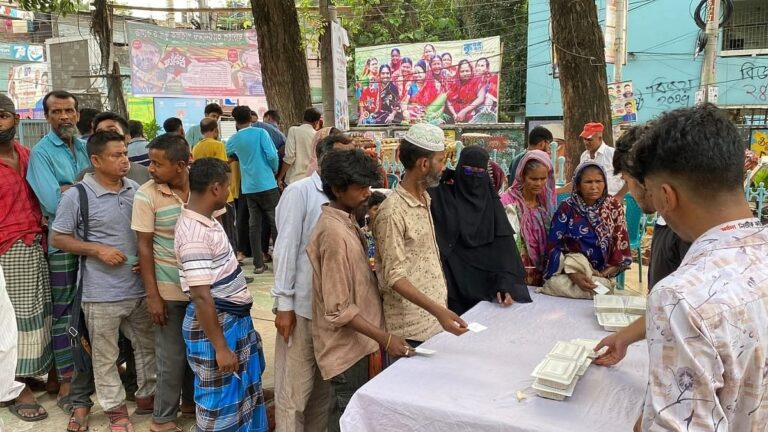
The economic toll of these environmental changes is significant. A 2024 World Bank report estimated that heatwaves caused the loss of 25 million workdays across Bangladesh, resulting in approximately $1.78 billion in economic losses—roughly 0.4% of the nation’s GDP. For laborers in Barishal, such as local rickshaw pullers, the physical toll of the heat has forced a reduction in working hours, directly impacting household incomes.
Public health outcomes are also deteriorating. Medical professionals report an increase in heat-related conditions including dehydration, heat stroke, respiratory complications, and cardiovascular issues. Furthermore, the changing climate has created favorable conditions for vector-borne and water-borne diseases. Outbreaks of dengue fever and diarrheal illnesses have become more frequent and severe in recent years, placing immense financial pressure on low-income families who often struggle to cover the costs of diagnostic tests and medications despite receiving treatment at public hospitals.
Environmental advocates and urban planners are looking toward nature-based solutions to combat the “urban heat island” effect. Areas such as the historical Raja Bahadur Road in Barishal serve as a template; the dense canopy of century-old trees creates a natural cooling effect, lowering temperatures compared to the city’s concrete-heavy sectors.
Urban planners, including Md. Bayezid of the Urban Development Directorate, argue that these pockets of greenery should be integrated into a city-wide “green corridor” network. By connecting major thoroughfares with layered vegetation—incorporating trees, shrubs, and undergrowth—planners believe the city could significantly mitigate rising temperatures, improve air circulation, and restore local biodiversity. As Barishal faces an increasingly volatile climate, experts insist that such climate-resilient urban design is no longer a luxury, but a necessity for survival.
0%
0%
0%
0%