
Childhood memory of riding a vintage horse carriage in Old Dhaka and the lesson learned from an accidental fall
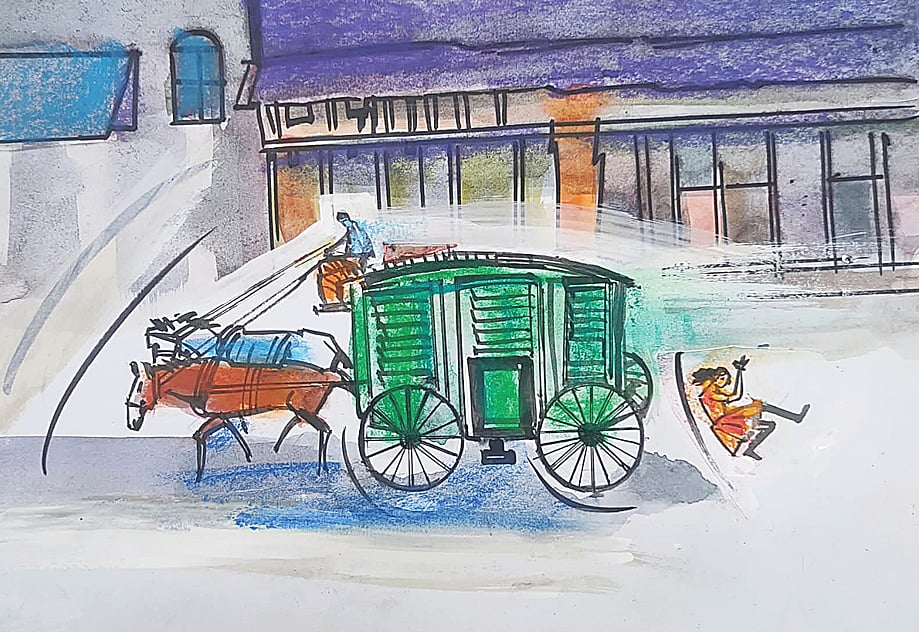
Photo Collected
Prothom Alo is inviting readers to submit personal narratives for publication, seeking true stories of human experience, success, or significant life events. Contributions should not exceed 600 words and must include the author’s name, address, and phone number, sent to the designated editorial email address.
Reflecting on a personal childhood memory from 1953-54, a contributor recounts life in a rented house in the Alubazar area of Old Dhaka. At the time, the narrator, then five years old, lived in a multi-family household featuring a central courtyard that served as a communal space for social gatherings.
The narrative centers on the arrival of the author’s aunt from Feni, who had enrolled at Eden College. To commute to her classes, the aunt utilized a horse-drawn carriage known locally as a “tomtom.” The vehicle, equipped with two seats and four windows, arrived daily, operated by a coachman who managed the horses with a distinctive whip and specialized vocal cues. The author describes observing the coachman’s rhythmic use of the whip and leather reins, noting how the horses responded to subtle changes in sound and movement, occasionally appearing to defy the coachman’s instructions by resisting his guidance.
Captivated by the sight of neighborhood children hitching rides on the back of the carriage, the narrator eventually attempted to join them. During one trip, the young child managed to climb onto the rear seat with the help of other children, but the experience quickly turned perilous. As the carriage approached a turn, the other children jumped off, but the narrator fell, sustaining injuries to the knees and suffering from shock. A passerby assisted the injured child, who had to limp home in physical pain and severe anxiety regarding potential parental discipline.
Seeking refuge, the author first approached the landlady, who cleaned the wounds and accompanied the child to her mother. The landlady pleaded for leniency, sparing the child from a scolding. The mother, moved by her child’s distress, opted for compassion, ensuring medical treatment at Mitford Hospital, where the author received a tetanus shot. While the physical pain eventually faded, the narrator notes that the memory of that singular “tomtom” journey and the eventual comfort of the mother’s arms remain vivid and indelible.
0%
0%
0%
0%