
Suspension of Nasirabad Mail train leaves low-income commuters in Bangladesh facing steep travel costs
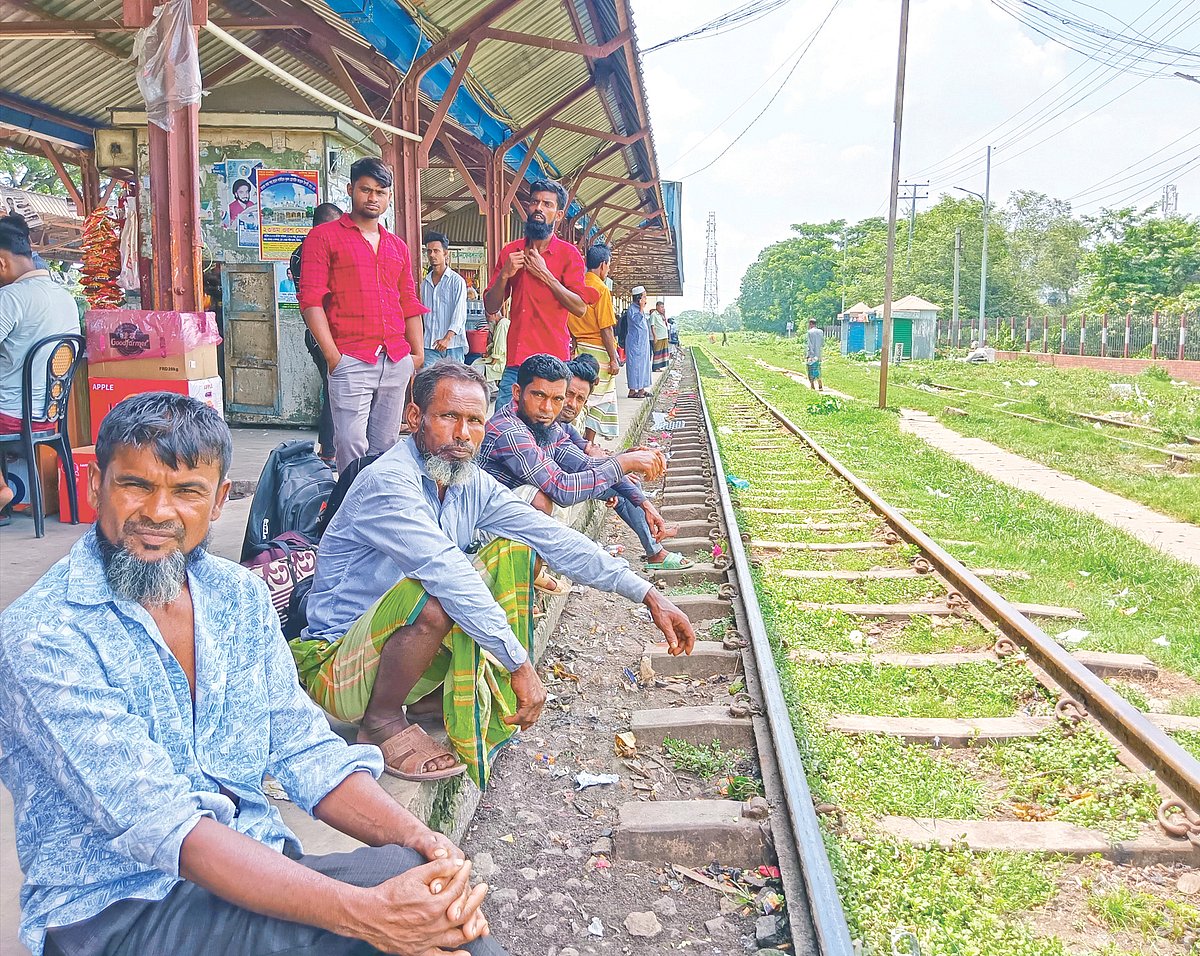
Photo Collected
Bangladesh Railway has suspended the operation of the Nasirabad Mail, the last remaining low-cost train on the Bhairab-Mymensingh route, citing an acute shortage of locomotives. The suspension, which took effect last Monday, has effectively halted all local and mail train services on a corridor that once hosted six such lines, leaving low-income commuters and small-scale traders with limited and significantly more expensive transportation options.
The Bhairab-Mymensingh rail corridor, a critical link for the Mymensingh, Kishoreganj, Sherpur, and Jamalpur districts, saw its first major service reductions in March 2020 during the COVID-19 pandemic. At that time, four local trains and the Isha Khan Mail—frequently referred to by locals as the “train for the poor”—were withdrawn. While intercity trains continue to operate on the route, they serve fewer stations and carry a much higher fare, with costs jumping from the nominal 10 to 55 Taka local rates to a minimum of 127 Taka for intercity services.
The Nasirabad Mail, which traveled between Ibrahimabad station in Tangail’s Bhuyapur upazila and Chattogram, served 50 stations across a 631-kilometer journey. Residents who relied on the train to transport agricultural produce, such as poultry, dairy, and seasonal crops, are now facing increased logistics costs. Laborers who travel between the Greater Mymensingh region and industrial hubs like Chattogram, Cumilla, and Sylhet have reported that their travel expenses have more than doubled since the suspension.
Commuters at Bhairab Railway Station expressed frustration, noting that the absence of affordable rail travel is forcing them to rely on multiple, costly road transport connections to reach their destinations. Many workers now suggest they will be forced to reduce the frequency of visits to their hometowns due to the prohibitive financial burden of current transit options.
Bangladesh Railway’s Chief Operating Superintendent (East), Mohammad Shafiqur Rahman, described the suspension as temporary, attributing the decision entirely to the ongoing locomotive crisis. He noted that the authorities have attached an additional luggage carriage to the Bijoy Express to mitigate some of the difficulties regarding goods transportation. However, railway officials have provided no specific timeline for the restoration of the Nasirabad Mail or the long-defunct local services.
Local stakeholders warn that the ongoing suspension threatens to paralyze small economies surrounding the 27 smaller railway stations that are not serviced by intercity trains. With no clear plan for the return of these services, the region faces a deepening crisis in mobility and economic access for its most vulnerable populations.
0%
0%
0%
0%