

Severe Gas Crisis Forces Widespread Factory Shutdowns Across Industrial Hubs in Bangladesh
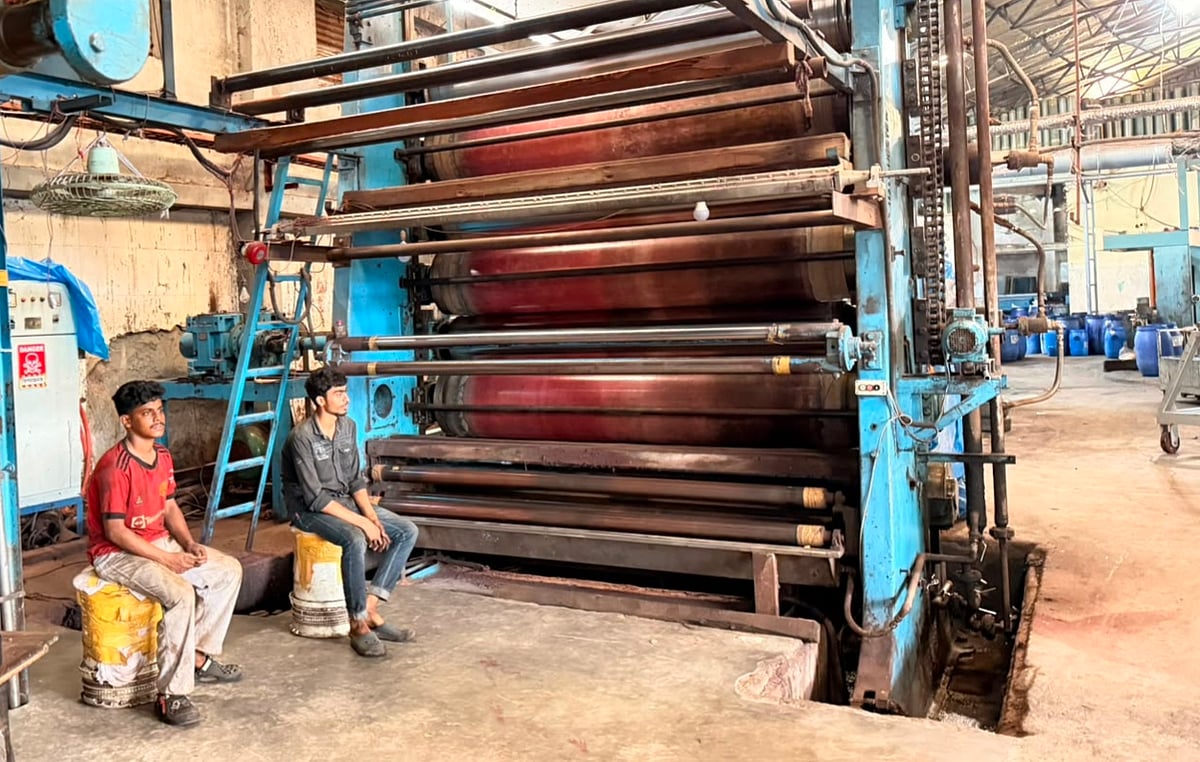
Photo Collected
A severe and persistent gas crisis is paralyzing industrial production across Bangladesh, forcing hundreds of factories in Narsingdi, Narayanganj, and Gazipur to suspend operations or drastically reduce output. The shortage, characterized by critically low pipeline pressure, has left business owners struggling to maintain essential operations and meet export deadlines.
In Narsingdi alone, more than 300 factories—ranging from small enterprises to large textile and spinning mills—have been forced to halt production. Narsingdi Chamber of Commerce and Industry President Rashidul Hasan confirmed the scale of the disruption. Among the affected facilities are Chisthia Sizing Mill, Yamin Sizing Mill, Momin Sizing Mill, Hossain Dyeing and Calendering Mill, Abed Textile Mills, Shilpi Dyeing, Nodi-Bangla Sizing Mill, and Bhuiyan Textile and Calendar Mills. Additionally, several units belonging to the Amanat Shah Group and Pakiza Group, along with MMK Dyeing and Madhabdi Dyeing, have ceased operations.
The national gas shortage has been worsening throughout the week. While the country’s daily demand stands at 3.8 billion cubic feet, supply has plummeted. Official figures show a steady decline in available gas: from 242 million cubic feet last Saturday to 226 million cubic feet by Tuesday evening. Maksudur Rahman, manager of the Titas Gas regional office in Narsingdi, noted that the limited supply is being diverted primarily to the Ghorashal-Polash Urea Fertilizer Factory, leaving little to no pressure for the industrial sector.
Industrial hubs in Narayanganj and Gazipur are facing similar distress. In Narayanganj, MS Dyeing and Printing in the Panchabati BSCIC industrial area has suspended production, while major manufacturers like City Group in Rupganj were forced to shut down operations on Tuesday after gas pressure dropped to 20-25 PSI, far below the 120 PSI required for their machinery. Factory managers in Gazipur reported that they are struggling to keep dyeing sections functional, with some firms forced to rely on expensive generator backups to maintain minimal operations.
Business leaders are now demanding clarity from the government regarding the duration of the crisis. “The government should inform us when this crisis will be resolved and what we should do until then,” said Anisur Rahman Bhuiyan, director of Bhuiyan Textile and Calendar Mills Limited.
The current shortage is largely attributed to complications with the country’s two floating Liquefied Natural Gas (LNG) terminals in Maheshkhali. Following an accident at the US-based Excelerate Energy terminal on July 21, supply plummeted. While both terminals recently resumed partial operations, a lack of new cargo has constrained output. Sources indicate that a new cargo vessel is expected to arrive on August 20 to supply the Summit terminal, while a shipment for the Excelerate terminal is anticipated between August 23 and 24. Until then, industrial sectors remain in a state of uncertainty, with many factory owners warning that they may soon be unable to cover wage and utility costs.
0%
0%
0%
0%
More News from Business