

Gazipur Safari Park Returns Two Rehabilitated Elephants to Former Owners Amid Criticism from Wildlife Experts
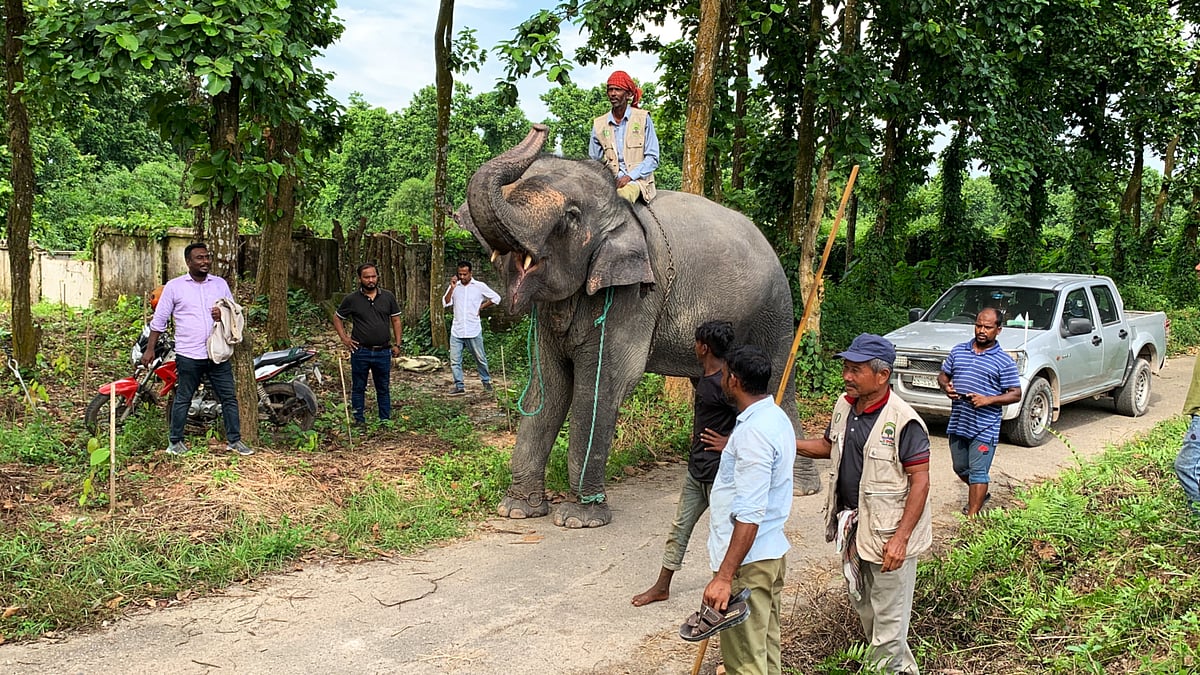
Photo Collected
GAZIPUR, Bangladesh — Authorities at the Bangabandhu Sheikh Mujib Safari Park in Gazipur have returned two elephants, named Samrat and Niharkali, to their former handlers nearly two years after the animals were seized due to reports of exploitation and abuse. The animals had been relocated to the park by the Forest Department as part of a wildlife rehabilitation initiative.
The elephant known as Samrat was initially confiscated following a fatal incident on September 24, 2024, in Polsar village, located in the Kotalipara Upazila of Gopalganj. During a solicitation effort, the elephant trampled a mahout named Nazrul Islam to death. Following the tragedy, the Forest Department took custody of the animal from two men who had been using it to collect money from local residents.
The second elephant, Niharkali, was rescued on August 31, 2024, from the Bhulta area of Narayanganj. Officials reported that the elephant was being used for public solicitation, and social media footage surfaced depicting the handlers physically abusing the animal. Both elephants were subsequently moved to the Safari Park for long-term care and rehabilitation.
The return of the elephants follows the deaths of two other elephants at the Gazipur Safari Park on August 6 and 7, which reduced the facility’s population to eight. Sources indicate that the handlers of Samrat and Niharkali had been actively lobbying various levels of the Forest Department to regain possession of the animals.
The decision has drawn sharp criticism from environmentalists. Rakibul Haq, chairman of the People for Animal Welfare Foundation, filed a formal inquiry with the Chief Conservator of Forests on August 19, demanding transparency regarding the conditions and legal procedures involved in the transfer of the elephants.
Md. Sanaullah Patwary, Conservator of Forests for the Wildlife and Nature Conservation Division in Dhaka, defended the move, stating that the handover was conducted according to protocol. He confirmed that the handlers signed a formal undertaking on a 300-taka non-judicial stamp, pledging that the elephants would not be subjected to further abuse, exploitation, or used for solicitation.
However, wildlife expert and commission member for the Ministry of Environment, Forest and Climate Change, Mohammad Ali Reza Khan, condemned the department’s decision. He questioned the motive behind returning the animals to their previous owners, noting that if the government cannot provide for the medical and nutritional needs of captive elephants, the owners will inevitably return to using them for manual labor or illegal extortion to cover maintenance costs. Khan expressed concern that the Forest Department’s inability to protect these animals undermined public trust in its broader mission to preserve wildlife within protected habitats.
0%
0%
0%
0%