
Post-uprising Bangladesh media faces credibility crisis and persistent insecurity
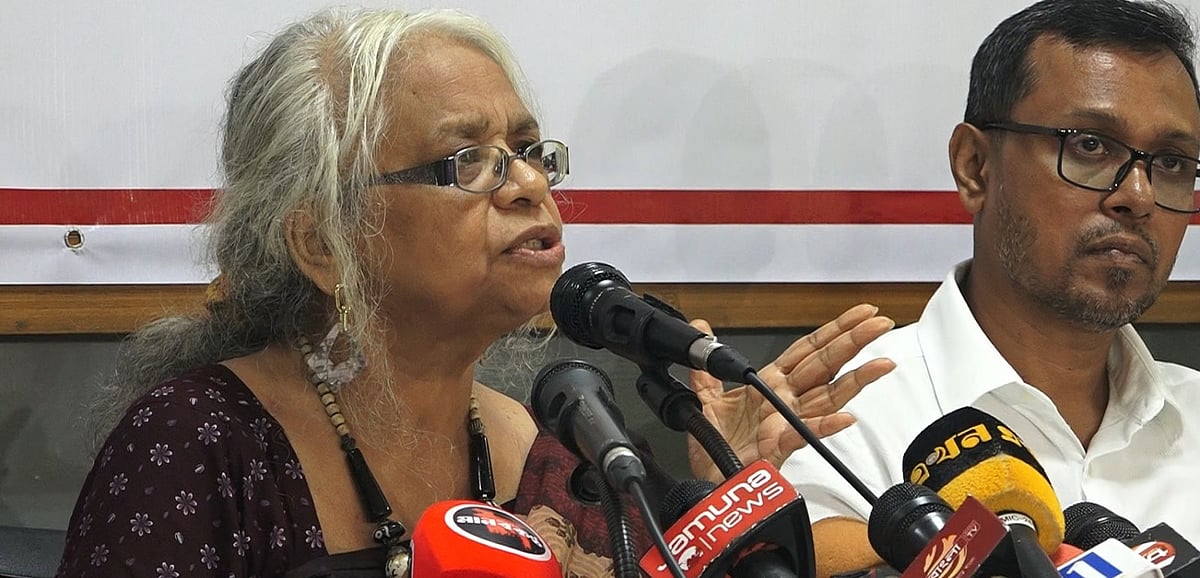
Photo Collected
Despite the optimism surrounding July’s mass uprising in Bangladesh, experts warn that the nation’s media landscape remains mired in crisis, struggling with a lack of public credibility and persistent physical insecurity. During a roundtable discussion at the National Press Club on Wednesday, participants highlighted that journalism in the country continues to face severe challenges, including threats to media offices and a failure to implement necessary reforms.
The discussion, titled “Post-July Bangladesh: The Role of Media in Rebuilding State and Democracy,” was organized by the Communication and Research Foundation. Professor Gitiara Nasreen of the University of Dhaka’s Department of Mass Communication and Journalism noted that there has been no substantive improvement in the media’s overall standing since the uprising. She argued that the public continues to view media outlets with skepticism, leading to a significant loss of institutional relevance.
Professor Nasreen further criticized the government for ignoring key recommendations provided by the media reform commission, particularly regarding the establishment of an independent media oversight body and the guarantee of journalist safety. She emphasized that the ongoing vulnerability of journalists and the destruction of media offices remain alarming indicators that the democratic transition has stalled. She characterized the current state of the nation as falling short of a true revolution, noting that fundamental structural changes have yet to take root.
Jimmy Amir, a member of the Media Reform Commission, pointed to bureaucratic resistance as the primary obstacle to reform. He suggested that the Ministry of Information is actively obstructing the implementation of commission proposals to preserve its own influence, citing the recent removal of public opinion surveys from the commission’s website as a prime example of institutional obstruction.
The economic precarity of media workers also took center stage, with researcher Mahmuda Habiba highlighting that many journalists remain trapped in low-wage positions with little job security. She called for robust legal protections and professional safeguards to shield journalists from unreasonable pressure exerted by media owners.
Meanwhile, political voices expressed concern over the broader implications of these delays. Nazibur Rahman Momen, a member of parliament from Jamaat-e-Islami, warned that failing to implement the “July Charter”—a set of goals derived from the uprising—could undermine the legitimacy of the interim government. He argued that uncertainty regarding these reforms risks creating a deeper political crisis.
Concluding the discussion, journalist Maksud-un-Nabi urged the media to transcend partisan divides. While acknowledging that political unity remains a challenge for parties to navigate, he asserted that the media holds a professional obligation to prioritize objective, evidence-based journalism to foster social cohesion during a volatile period of national reconstruction.
0%
0%
0%
0%