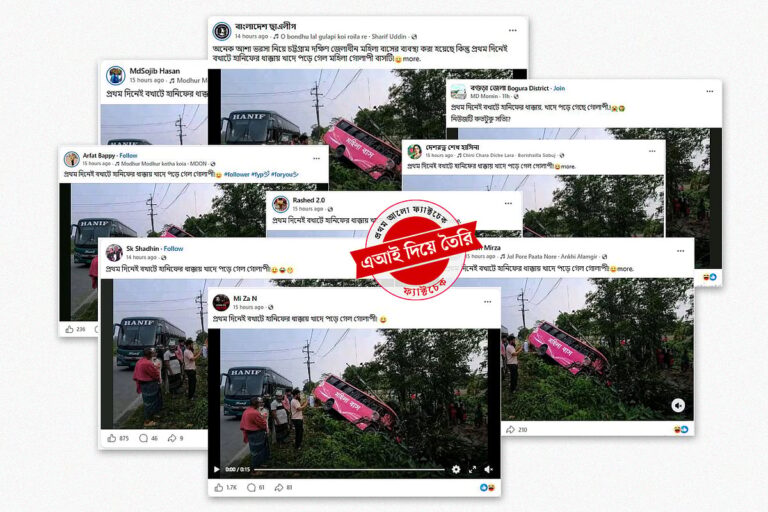

Experts call for national framework to combat misinformation and AI-driven threats in Bangladesh
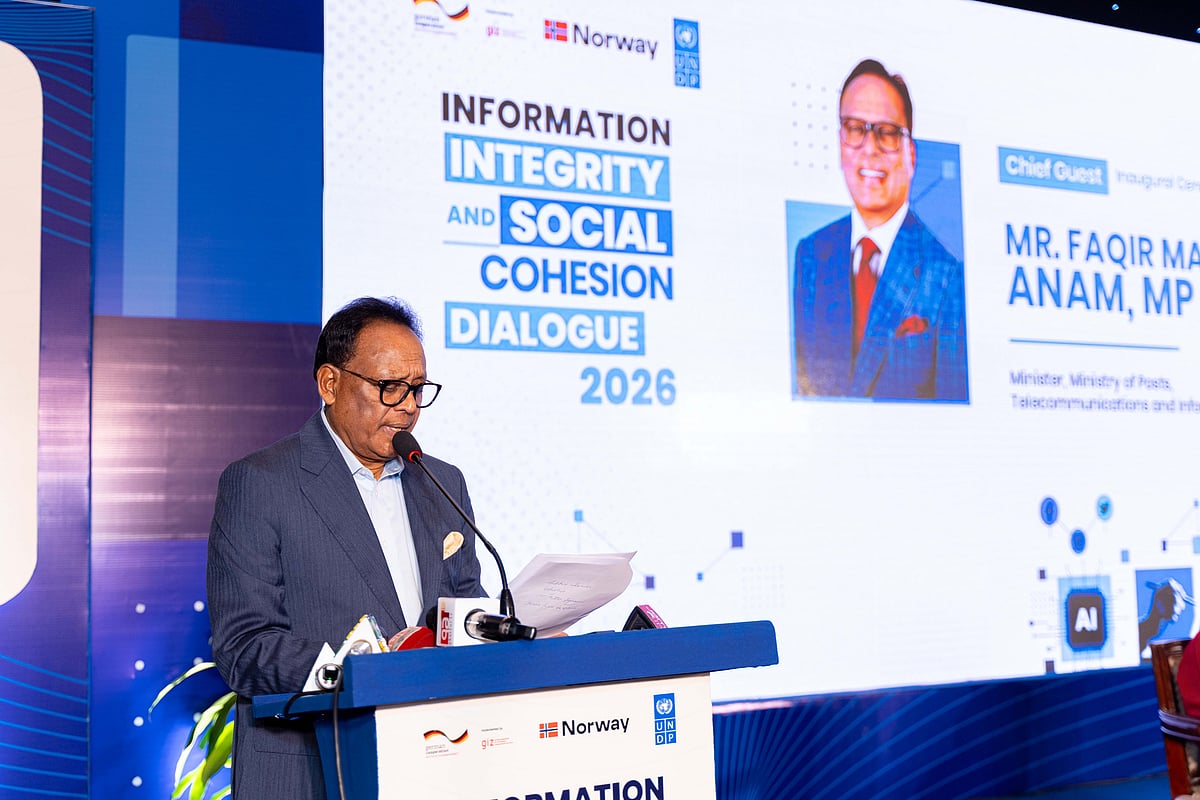
Photo Collected
Experts and policymakers at a high-level policy dialogue in Dhaka underscored the urgent need for a comprehensive national framework to combat misinformation, disinformation, and the misuse of artificial intelligence. The event, titled “Information Integrity and Social Harmony Dialogue 2026: Policy, Platform Accountability, and Collective Action,” emphasized that identifying false information is insufficient, and long-term institutional capacity building is required to maintain information integrity and protect social cohesion.
The dialogue, held at a local hotel, was organized by the United Nations Development Programme (UNDP) Bangladesh in collaboration with the governments of Germany and Norway. Participants stressed that any regulatory or legal measures introduced to address digital challenges must strictly safeguard fundamental rights, including freedom of speech, access to information, media freedom, and personal privacy.
Minister of Posts, Telecommunications and Information Technology Fakir Mahbub Anam called for a collective responsibility to build a reliable and inclusive digital environment. He reaffirmed the government’s commitment to strengthening policy frameworks and platform accountability, urging closer cooperation between the government, print and electronic media, and other stakeholders to manage the rapidly evolving information landscape.
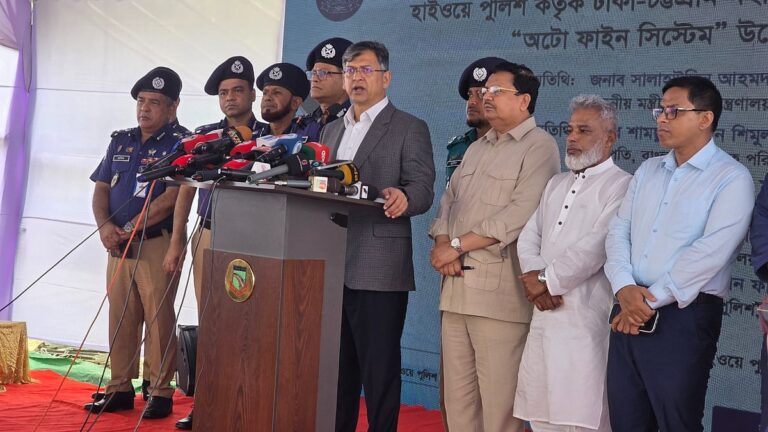
Minister of Information and Broadcasting Zahir Uddin Swapan highlighted the transformative impact of artificial intelligence, stating that digital technology has fundamentally altered social life. He argued that the complexities of the digital era cannot be managed by software engineers or tech giants alone. Swapan advocated for a unified, integrated system that ensures citizens can safely benefit from technological advancements.
The Daily Star Editor Mahfuz Anam noted that while social media has expanded freedom of expression, it has also shifted the burden of responsibility onto both content creators and users. He announced that The Daily Star is launching a specialized fact-checking and verification unit to combat the spread of misinformation.
Data released during the event highlighted the severity of the crisis, with a UNDP Bangladesh analysis revealing that over half of the online content reviewed was found to be inaccurate or misleading. Furthermore, more than 20 percent of the content was identified as AI-generated or manipulated, posing a significant threat to mutual trust and social peace.
UNDP Bangladesh Resident Representative Stephen Roderick warned that the impact of social media and AI-driven disinformation extends far beyond the digital realm, directly affecting real-world human interactions. He specifically urged digital platforms to improve their proficiency in the Bengali language to better monitor and manage content.
The dialogue featured contributions from UNDP Bangladesh Senior Governance Specialist Sheela Tasneem Haq, Deputy Resident Representative Sonali Dayaratne, and Deputy Head of Mission at the Royal Norwegian Embassy in Dhaka, Alexander Falck-Ytter.
Throughout three working sessions, participants drafted a strategic framework focused on ensuring platform accountability and establishing rapid response mechanisms. Key recommendations included the promotion of nationwide digital and media literacy, the development of robust fact-checking infrastructures, enhanced institutional readiness to handle AI-related risks, and targeted efforts to prevent technology-facilitated violence against women.
0%
0%
0%
0%