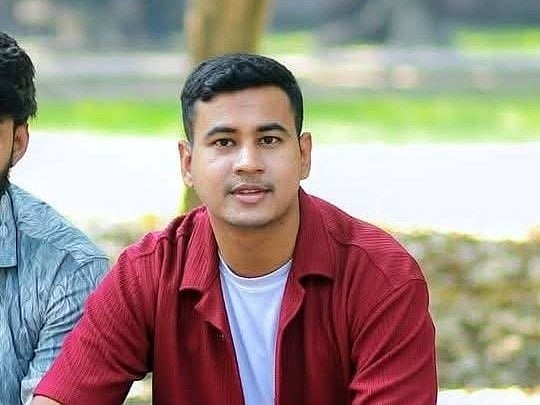
Survivor of Bangladesh uprising faces long road to recovery after critical shooting
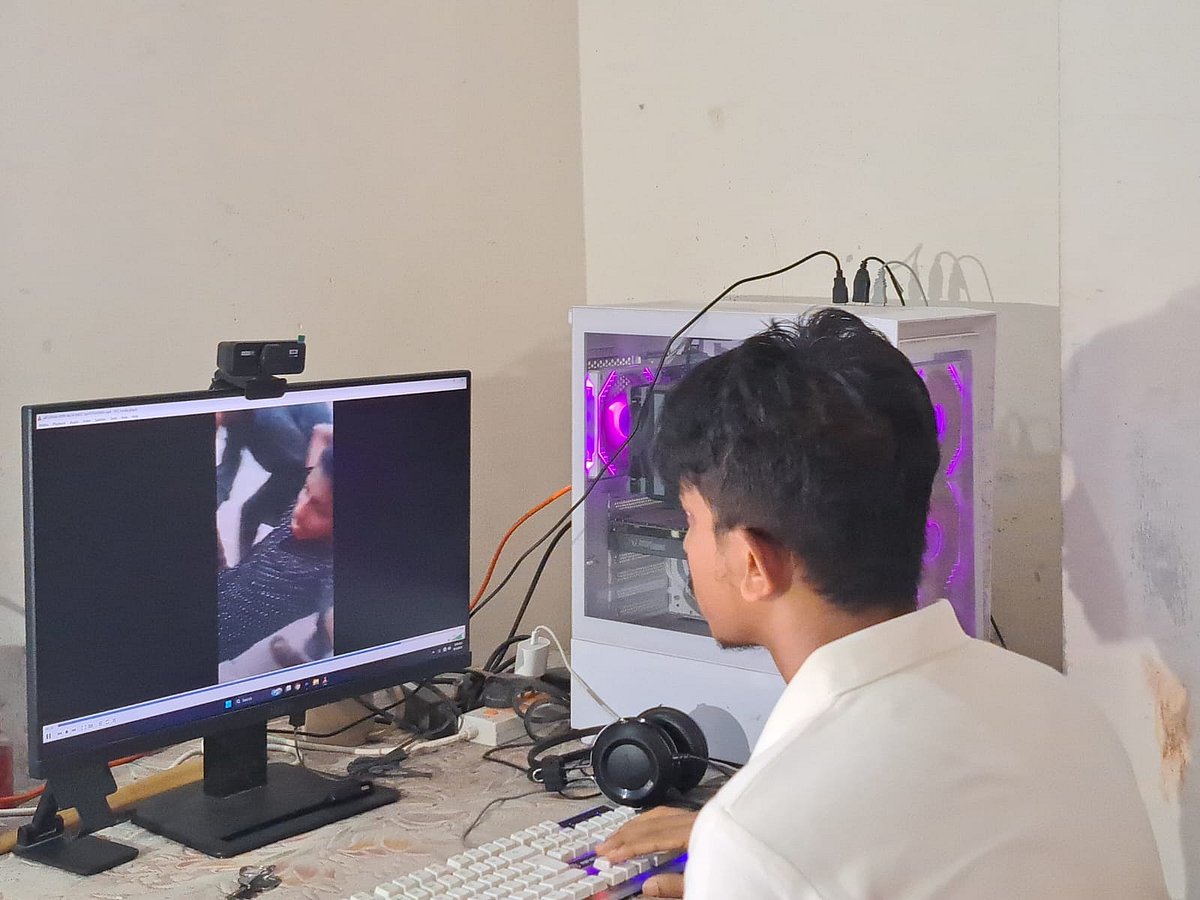
Photo Collected
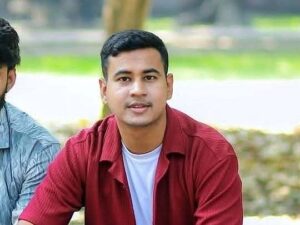
The image of 21-year-old Md. Shakil Ahmed, bloodied and clinging to consciousness as strangers dragged him to safety, became a haunting symbol of the violence that defined Bangladesh’s July uprising. Caught in the crossfire near Dhaka’s Mirpur-10 roundabout on August 4, 2024, Shakil was recorded pleading for his mother’s phone number—a desperate final request from a young man who believed he was moments away from death.
In a recent interview, Shakil recounted the harrowing minutes after he was struck. A bullet had entered his left buttock, traveling through his abdomen and exiting near his right hip. Believing his life was ending, he sought to ensure his mother could at least claim his body for a proper burial. Though he was a student at a polytechnic institute in Shyamoli at the time, his transition from a protester documenting the unrest on his phone to a victim happened in a matter of seconds.
The recovery process has been a grueling ordeal of physical and psychological trauma. Following the shooting, Shakil underwent eight surgeries in Thailand, a journey facilitated by government support after initial local efforts struggled to stabilize his condition. For over a year, he relied on a colostomy bag, and he now manages a permanent impairment that requires specialized medical equipment for basic bodily functions. He describes a constant, agonizing numbness in his right leg and the lingering psychological weight of that day.
Shakil’s survival was far from guaranteed. During his hospitalization, there were moments of severe internal hemorrhaging that led doctors to suggest the potential amputation of his leg. His family, including his mother, Mosammat Selina, endured months of uncertainty, watching as he fought for his life while the nation underwent a political transformation.
Since the uprising, Shakil has been designated as an “A” category fighter by the government, receiving a one-time grant of 500,000 taka, a monthly stipend, and additional support from the July Shaheed Smriti Foundation. Despite these provisions, his mother expressed deep concern for his future. While she remains grateful for the government-funded care that saved her son’s life, she acknowledges that the path to normalcy remains elusive.
Today, Shakil is attempting to rebuild his life, balancing ongoing medical complications with a return to his studies and freelance work in video editing. Yet, he remains deeply critical of the current state of the nation. He argues that the sacrifice of those who stood against the former regime should translate into more than just financial compensation; he insists that the true vision of the revolution—a reformed and equitable country—remains unfulfilled. For Shakil, the physical scars serve as a permanent reminder of the struggle, and his survival is an ongoing battle against both lingering health issues and the frustration of seeing his hopes for the future stagnate.
0%
0%
0%
0%