Prosecution presents audio evidence of Sheikh Hasina ordering retaliatory arson attacks during July uprising
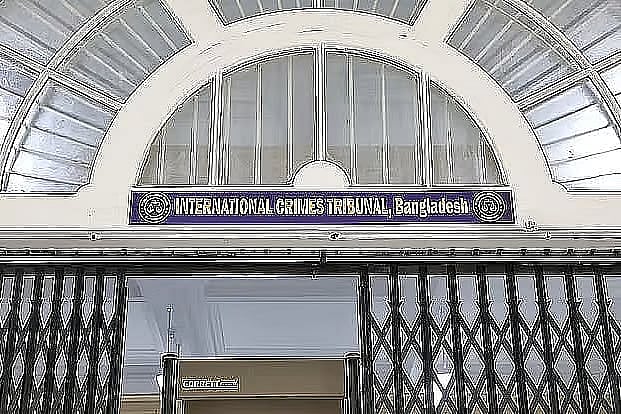
Photo Collected
Evidence presented at the International Crimes Tribunal-2 on Monday has revealed that former Prime Minister Sheikh Hasina allegedly directed her party leaders to retaliate against protestors by targeting their homes, vehicles, and businesses during the July uprising.
Prosecutor Gazi Monawar Hossain submitted transcripts of recorded phone conversations between Sheikh Hasina and her senior party officials to the tribunal. The evidence is part of a case involving seven individuals, including former Awami League General Secretary Obaidul Quader, for their roles in committing crimes against humanity during the widespread protests in July 2024.
According to the prosecution, the audio recordings were captured by government intelligence agencies and subsequently verified by the Criminal Investigation Department’s (CID) forensic unit.
In a conversation dated July 19, 2024, involving Obaidul Quader and former Foreign Minister Hasan Mahmud, Sheikh Hasina allegedly stated that since protestors were burning infrastructure, such as the Setu Bhaban, the public should be mobilized to burn the protestors’ homes and businesses in return. She remarked, “They will burn things, they have homes and vehicles, too. Let the public burn those.”
During the discussion, Sheikh Hasina instructed the leaders to organize their party activists in every area to provide protection and directed them to track down the business establishments of those involved in the protests. Hasan Mahmud echoed these sentiments, suggesting a “tit for tat” approach.
The transcripts further show coordination regarding the use of state force. Sheikh Hasina mentioned sending the Rapid Action Battalion (RAB) and Border Guard Bangladesh (BGB) to disperse gatherings, suggesting that helicopters be used to scatter crowds. She also discussed the arrest of BNP senior joint secretary Ruhul Kabir Rizvi, telling Quader to “pick up as many as you can.”
Another conversation from July 21, 2024, between Sheikh Hasina and Hasan Mahmud detailed the foreign minister’s briefing to international diplomats. Hasan Mahmud explained that he defended the government’s use of force by comparing it to police actions in the United States, France, and Belgium, while labeling the destruction of national infrastructure and metro rail property as acts falling outside the scope of human rights.
The prosecution also presented records involving former State Minister for Information and Broadcasting Mohammad Ali Arafat and Obaidul Quader, dated July 20, 2024. In these exchanges, Arafat boasted about shutting down television channels that aired footage of clashes. He stated that he had instructed monitoring authorities to declare such media outlets as “enemies of the state” and to cut their broadcasts immediately without requiring his further permission.
Additionally, Arafat briefed Quader on the government’s efforts to create a narrative that split the movement into two factions: protesting students and a “third party” composed of BNP and Jamaat-e-Islami activists, whom the government sought to frame for the arson and violence.
The case involves seven defendants: Obaidul Quader, Mohammad Ali Arafat, Awami League joint general secretary AFM Bahauddin Nasim, Jubo League chairman Sheikh Fazle Shams Parash, general secretary Mainul Hossain Khan, and student wing leaders Saddam Hussain and Sheikh Wali Asif. All accused remain at large.
0%
0%
0%
0%
More News from Local