


Manikganj Hazari molasses secures official GI status as protected national heritage
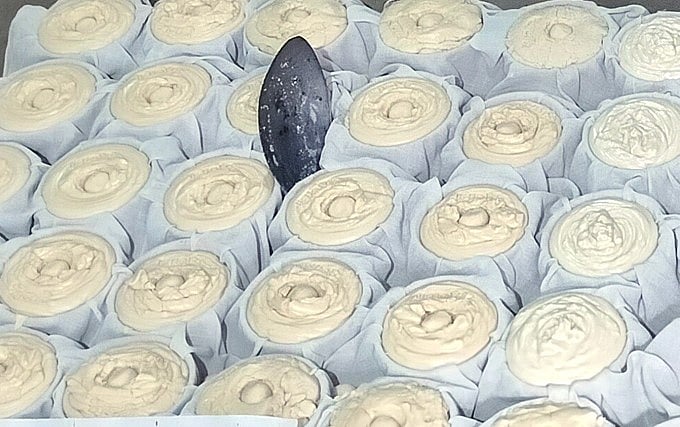
Photo Collected
Manikganj’s legendary Hazari gur, a date palm molasses renowned for its unique texture and exquisite flavor, has officially been granted Geographical Indication (GI) status. The recognition, formalized by the Department of Patents, Designs and Trademarks (DPDT) under the Ministry of Industries, marks a significant milestone for the two-centuries-old tradition of the Harirampur region.
The registration, issued under GI-62 and categorized under class 30, was confirmed by Manikganj Deputy Commissioner Nazmun Ara Sultana. The certification serves as a formal seal of authenticity for the product, which is produced through a meticulous, time-honored manual process. Often cited as a hallmark of the district’s cultural identity, the molasses is celebrated for its ability to crumble instantly under light pressure—a testament to its purity and distinct preparation.
বিজ্ঞাপন
The legacy of Hazari gur is deeply intertwined with the Jhitka area of Harirampur, where local artisans have perfected the extraction and boiling of date palm sap for generations. Its reputation is so profound that local lore claims even Queen Elizabeth II once sampled and praised the delicacy. While written documentation of such high-level patronage remains elusive, the story persists as a point of pride among local producers and residents.
Industry experts and local producers alike have hailed the GI certification as a vital protective measure. Beyond providing legal safeguards against counterfeit products, the status is expected to elevate the brand value of Hazari gur on the international stage. Producers like Rahij Uddin and Mozaffar Hossain believe this official recognition will curb market fraud, improve the livelihoods of genuine harvesters, and unlock new opportunities for global export.
বিজ্ঞাপন
The successful GI application was driven by the collaborative efforts of local administration and the support of civil aviation and tourism minister Afroza Khanm Rita. As the product gains formal recognition, officials hope it will bolster local tourism and preserve the traditional craftsmanship that has defined the region for nearly two hundred years. With this latest designation, what was once a localized rural specialty is now positioned as a protected symbol of Bangladeshi heritage.
0%
0%
0%
0%