
Bangladesh sets December deadline for comprehensive national farmer registry
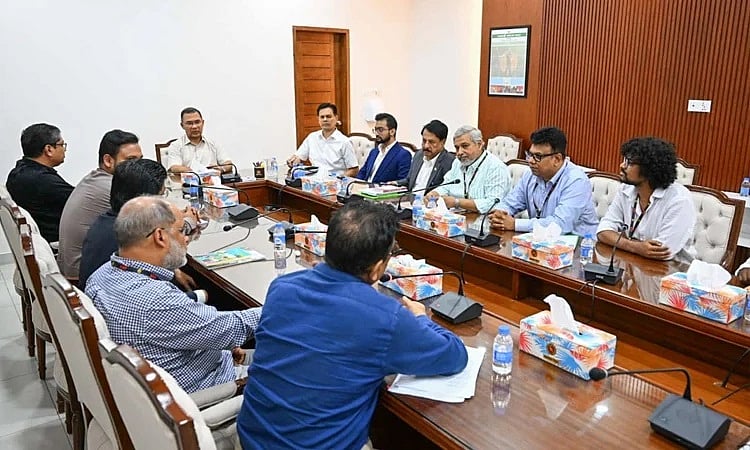
Photo Collected
Prime Minister Tarique Rahman has directed officials to complete an accurate and transparent national registry of farmers by December, underscoring the necessity of rigorous verification to safeguard agricultural rights. During a meeting held at the Prime Minister’s Office in the Secretariat on Tuesday, Rahman emphasized that the initiative is critical to ensuring that government support reaches the intended recipients.
The government is introducing a specialized “Farmer Card” featuring photographs and QR codes. According to Deputy Press Secretary Hasan Shiplu, the Prime Minister has instructed that these cards be designed to store comprehensive data, including individual identification, agricultural production records, access to state subsidies, and information on agricultural market participation.
Efforts to facilitate formal banking for farmers are already underway, with the cards scheduled for phased distribution following final preparations. The program aims to streamline the delivery of soft loans, government incentives, and subsidies directly to actual farmers. In the current fiscal year, 4.3 million farmers are expected to receive the cards, with a long-term goal of bringing approximately 20 million farmers under the coverage of the program within the next three years.
The high-level meeting was attended by the Minister of Agriculture, the Minister of Fisheries and Livestock, and several other state ministers, advisors, and senior bureaucrats.
In a separate session held at the Secretariat, Prime Minister Rahman also addressed the nation’s pressing need for sustainable development and robust water management. Engaging with a group of environmental, water, and engineering experts led by the social development organization Footsteps Bangladesh, the Prime Minister pledged his government’s support for implementing resilient infrastructure.
The dialogue focused on critical urban and rural challenges, including the restoration of canals, the stabilization of riverbanks and embankments, and the modernization of urban drainage systems. Experts emphasized the need for integrated planning to address wastewater treatment, rainwater harvesting, and the environmental impacts of rapid urbanization.
The delegation recommended the adoption of long-term strategies, the integration of modern technology, and improved inter-agency coordination to mitigate the effects of climate change. Prime Minister Rahman welcomed these expert insights, reiterating his commitment to fostering an environment that prioritizes public safety through effective water resource management and sustainable urban development.
0%
0%
0%
0%