

Bangladesh Dengue Death Toll Hits 54 as July Infections Surge
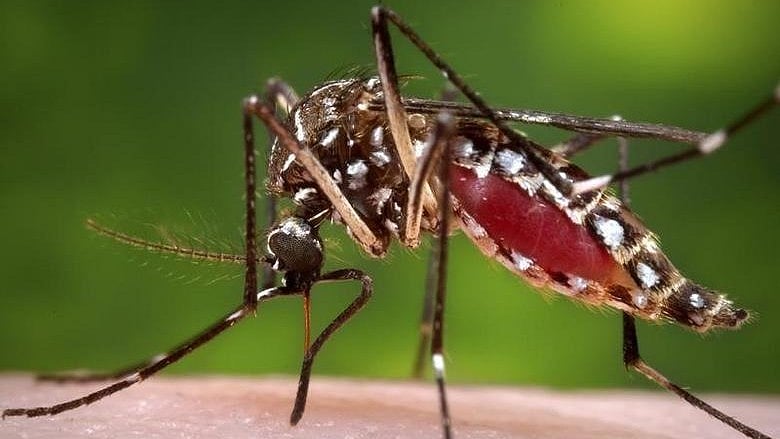
Photo Collected
Bangladesh is facing a surge in dengue fatalities, with health authorities reporting one additional death in the last 24 hours, marking the seventh consecutive day of fatalities linked to the mosquito-borne virus. This recent death, involving a woman between the ages of 21 and 25 in Khulna, brings the national death toll for the year to 54.
Data from the Directorate General of Health Services (DGHS) underscores an alarming acceleration in the outbreak throughout July. While 18 deaths were recorded in the first six months of the year, the death toll for July alone stands at 36, doubling the cumulative figure of the preceding months. Of the 54 total deaths recorded this year, 33 victims were women and 21 were men.
Hospitalization rates have mirrored this upward trend. In the last 24 hours, 153 patients were admitted to hospitals, raising the total number of infections this year to 15,310. July has seen 9,206 of these admissions, accounting for more than 60 percent of the total cases reported in 2024. Among the total infections, 9,412 were men and 5,893 were women. Currently, 14,089 patients have recovered and been discharged from medical facilities.
While dengue typically peaks in Bangladesh during the monsoon season between July and October, entomologists warn that the outbreak’s trajectory is shifting due to rapid urbanization and erratic weather patterns. Experts anticipate that infection rates will continue to climb through August, September, and possibly into October, as stagnant rainwater provides fertile breeding grounds for Aedes mosquitoes.
Regional analysis shows that outside of the two Dhaka city corporations, the Barishal division has recorded the highest number of cases this year at 3,312. The Chattogram division follows with 2,651 cases. Other regions, including Khulna, Mymensingh, Rajshahi, Rangpur, and Sylhet, continue to report varying levels of transmission, with Sylhet currently showing the lowest incidence.
The Institute of Epidemiology, Disease Control and Research (IEDCR) has identified the DEN-3 serotype as the dominant strain circulating this year. Health officials warn that because there are four distinct serotypes of the dengue virus, individuals who have previously contracted one strain remain vulnerable to others, with subsequent infections often carrying an increased risk of severe health complications.
0%
0%
0%
0%