Iran Rules Out Concession on Nuclear Program Despite Potential US Deal on Strait of Hormuz
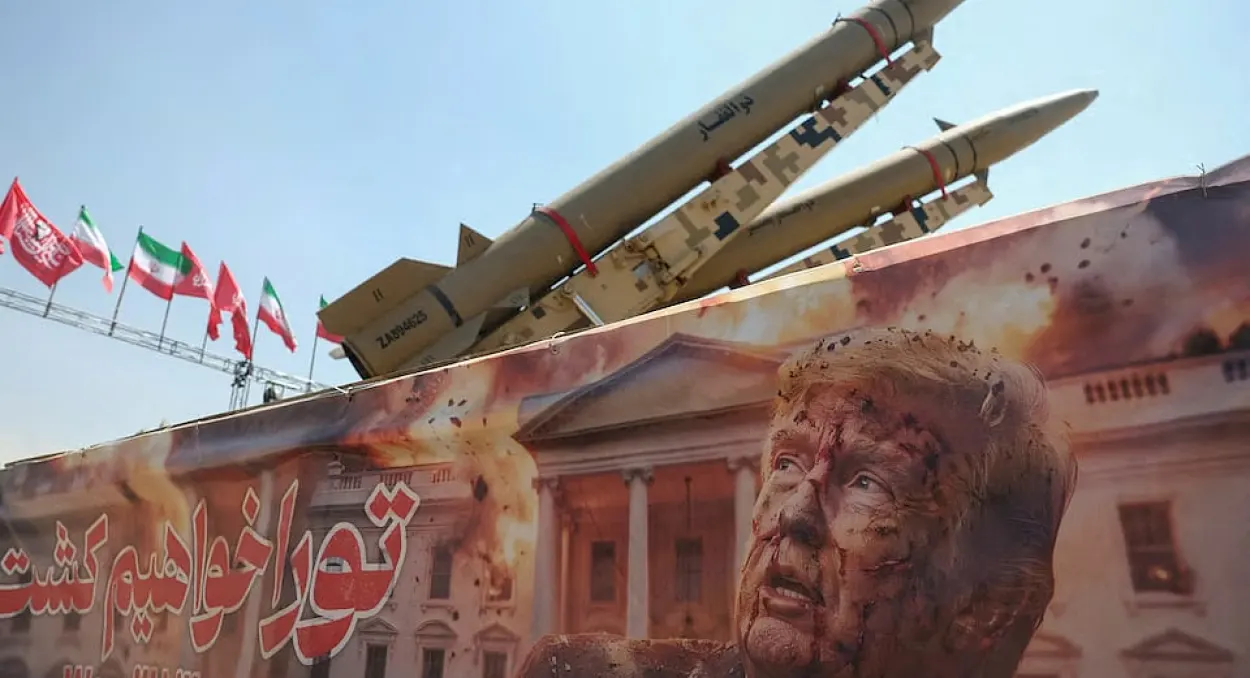
Iran has signaled that it is prepared to fully reopen the strategic Strait of Hormuz provided that the United States agrees to a series of conditions, including the lifting of naval blockades. However, a senior Iranian official asserted that even if Washington accepts these terms, Tehran will make no concessions regarding its contentious nuclear program.
Speaking on condition of anonymity to international media, the senior official maintained that the critical waterway will remain closed until all demands put forward by Tehran are comprehensively met. The conditions, initially outlined by Iran's Foreign Minister Abbas Araghchi, require a cessation of hostilities across all fronts, including Lebanon, within a seven-day window. Concurrently, the terms demand the immediate lifting of naval blockades against Iran, the release of frozen Iranian funds, and the withdrawal of sanctions targeting the nation's petroleum sector.
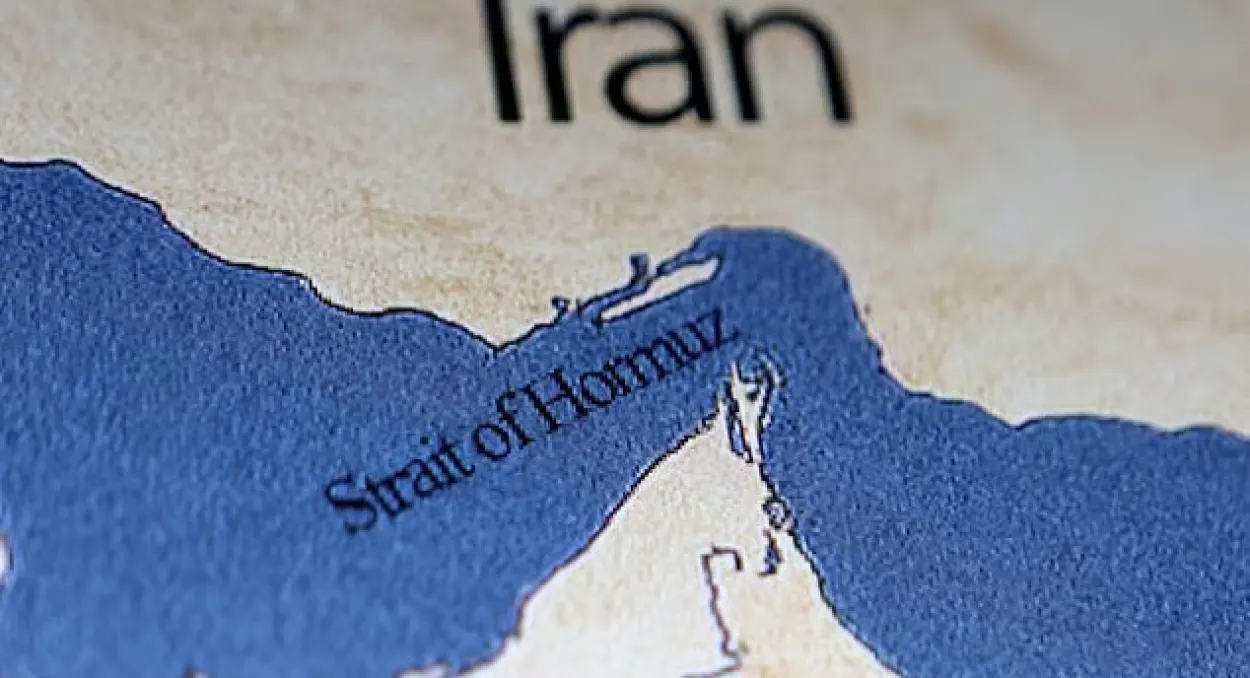
The Strait of Hormuz has emerged as a central leverage point in diplomatic efforts to broker a cessation of hostilities between the United States and Iran. While Tehran seeks relief from crippling economic and maritime restrictions imposed by Washington, the United States is pushing to restore unimpeded maritime traffic through the vital global oil transit corridor, which has been rendered virtually impassable by Iranian measures.
Amid these tense negotiations, Iran's President Masoud Pezeshkian expressed optimism on the sidelines of the United Nations General Assembly regarding the prospects of reaching a formal agreement. He indicated a timeline pointing toward a potential deal ahead of the upcoming United States mid-term elections scheduled for November 3. Following the implementation of its conditions, Tehran has stated its readiness to engage in detailed discussions concerning its nuclear activities.
Despite openness to dialogue, the senior Iranian official drew a firm line on core sovereignty issues, stating that Tehran will not compromise on its right to enrich uranium or its refusal to export highly enriched material abroad. The transfer of high-purity enriched uranium out of the country has remained a primary demand for Washington. Western nations, led by the United States and Israel, have long accused Iran of pursuing nuclear weapons development—pointing to Tehran's enrichment of uranium up to 60 percent purity—an allegation that the Iranian government has consistently denied.