
Saudi Arabia, Turkey and Pakistan military chiefs to meet over Houthi drone and missile attacks
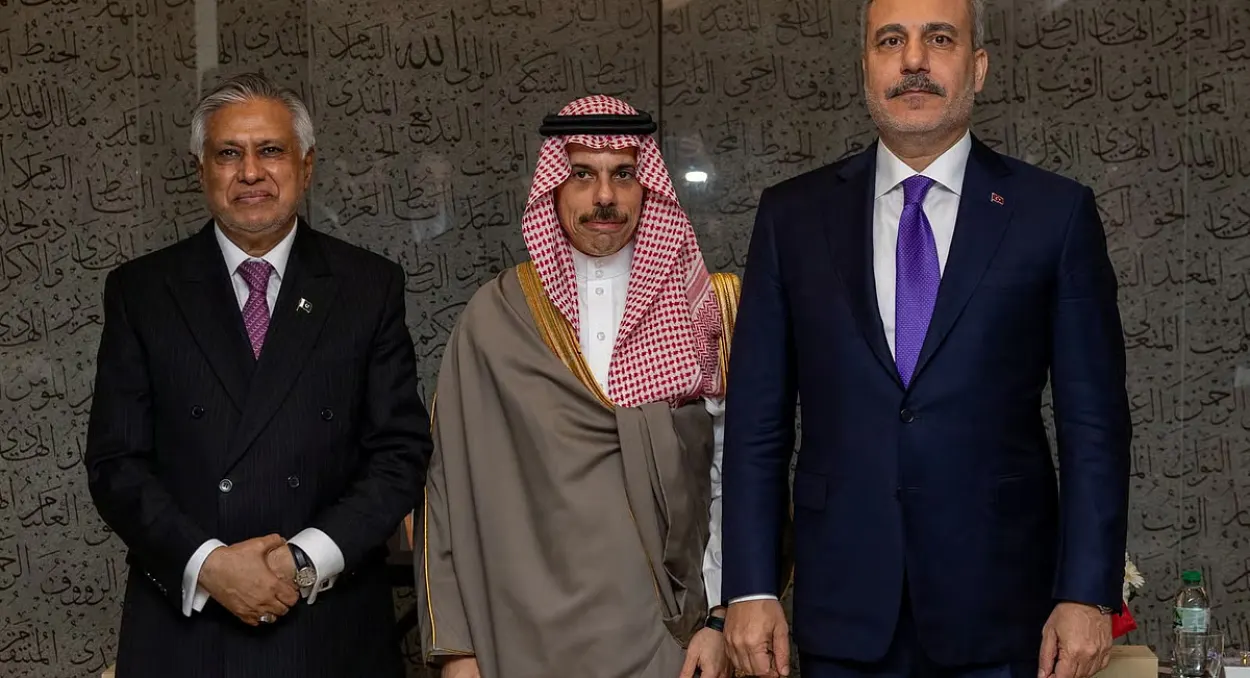
Saudi Arabia is mobilizing a robust international military coalition to counter escalating drone and missile attacks by Yemen’s Iran-backed Houthi rebels. As the security situation along the Red Sea coast deteriorates, military chiefs from Saudi Arabia, Turkey, and Pakistan are convening an emergency summit to coordinate defensive strategies under the framework of the Makkah Defense Pact.
The urgency of the meeting follows a series of Houthi strikes targeting key Saudi infrastructure, including the Yanbu oil terminal, Jeddah, and Makkah. While Saudi authorities confirmed the interception of six ballistic missiles, the persistent threat has prompted the kingdom’s Grand Mufti to issue a stern directive, calling for a resolute defense against the Houthi insurgency. Turkish Chief of General Staff General Selcuk Bayraktaroglu arrived in Saudi Arabia on Friday to finalize operational tactics, though Ankara’s military involvement remains limited to technical and bilateral support pending formal ratification of the defense pact by the Turkish Parliament.
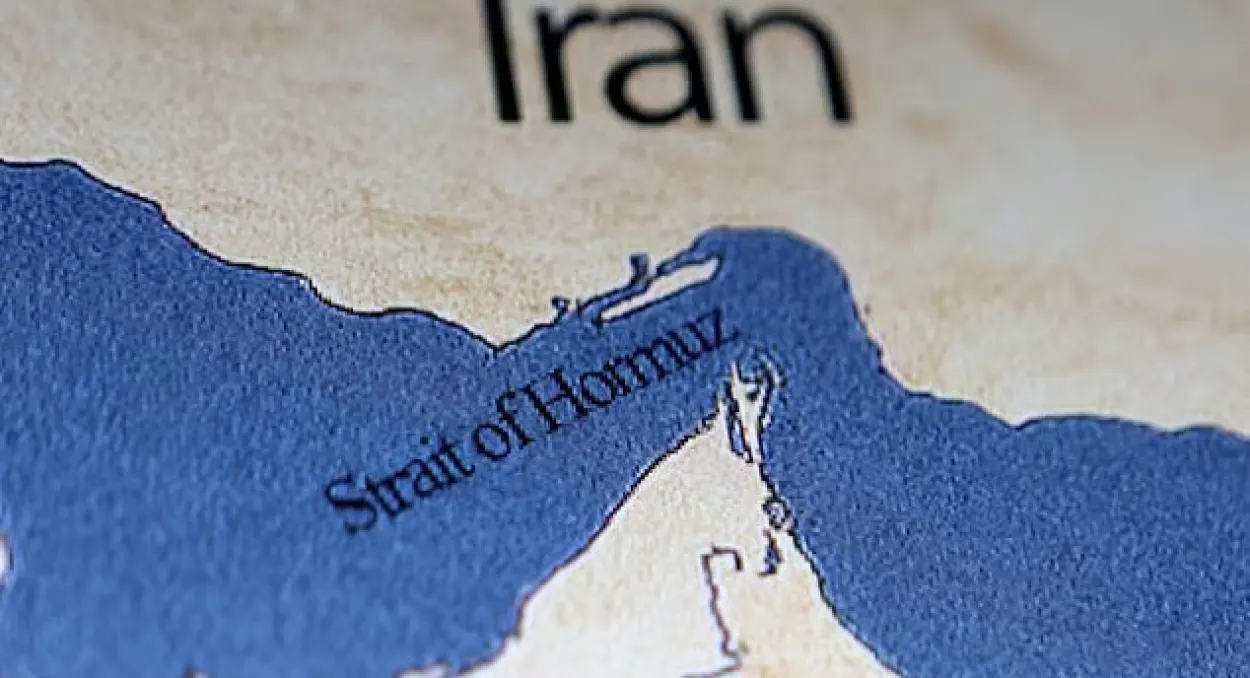
In a move to stabilize global energy markets, French President Emmanuel Macron announced the deployment of French military personnel, radar systems, and advanced air defense units to the Yanbu oil terminal. With the Strait of Hormuz effectively closed, Yanbu has become the primary conduit for Saudi oil exports. President Macron emphasized that while France is committed to securing the facility, the deployment is strictly defensive and does not signify direct French participation in the broader regional conflict.
The Makkah Defense Pact, signed in August, operates on a principle of collective security similar to NATO’s Article 5, stipulating that an attack on one member is considered an attack on all. Turkish Parliament Speaker Numan Kurtulmus indicated that the agreement could eventually evolve into a broader alliance for the Muslim world, potentially even including Iran. Addressing concerns over the pact’s geopolitical intent, Kurtulmus reiterated that the alliance is not directed against any specific nation but is intended to bolster regional security amidst ongoing tensions and hostilities.
Diplomatic efforts to de-escalate the broader regional crisis are simultaneously underway, with Qatar facilitating discussions between the United States and Iran on the sidelines of the United Nations General Assembly in New York. Iranian President Masoud Pezeshkian has sought to distance Tehran from the Houthi rebels, asserting that the group acts independently.
The volatility in the region has sent shockwaves through global energy markets, exacerbated by the closure of the Strait of Hormuz and recent United States secondary sanctions targeting entities linked to Iran. In response to the heightened friction, the United Arab Emirates and Oman have suspended air travel with Iran. While oil prices saw a marginal decline on Friday amid rumors of renewed US-Iran dialogue, the international community remains on high alert as the coalition seeks to secure critical maritime supply chains against further insurgent disruption.