Iran Proposes Seven-Day Roadmap to Washington to End Conflict and Reopen Strategic Waterways
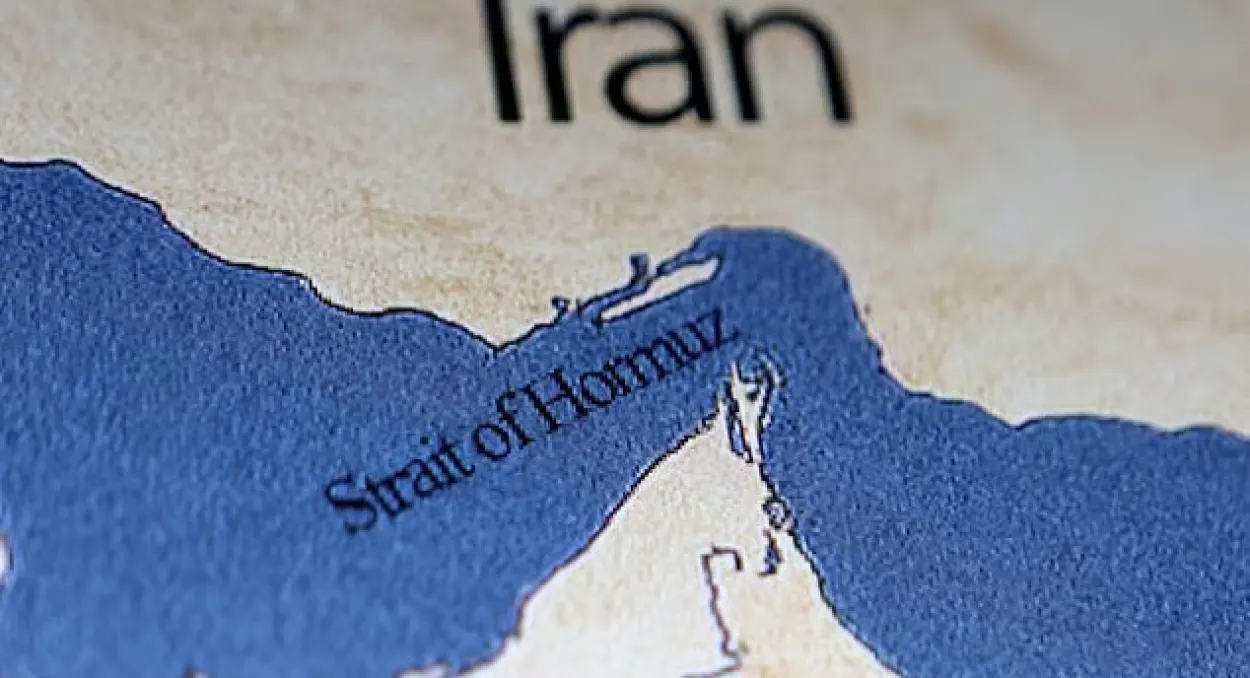
Iran has proposed a seven-day framework aimed at ending the ongoing conflict with the United States, outlining a roadmap that includes the reopening of the strategically vital Strait of Hormuz and the implementation of previously agreed terms. Iran's Foreign Minister Abbas Araghchi presented the blueprint to journalists in New York, on the sidelines of the United Nations General Assembly session. The war, triggered by United States and Israeli military strikes, is currently entering its seventh month.
According to reports from the New York Times, if Washington accepts the Iranian proposal, hostilities across all fronts, including Gaza and Lebanon, would cease within seven days. In exchange, the United States would be required to release approximately 12 billion dollars in frozen Iranian assets, lift sanctions on Iranian petroleum exports, and withdraw its naval blockade. The plan stipulates that on the final day of the seven-day period, the Strait of Hormuz would be fully reopened for international navigation, paving the way for the immediate resumption of talks concerning Iran's nuclear program—a core issue frequently cited by United States President Donald Trump.
The newly submitted proposal builds upon the framework of a memorandum of understanding signed between Washington and Tehran last June through the mediation of Pakistan and Qatar. That previous agreement had initially allotted a sixty-day window for negotiations before collapsing within weeks following mutual accusations of treaty violations. Early this week, the current proposal was transmitted to Washington via intermediaries, demanding that the United States fulfill specific conditions within seven days to reactivate ceasefire discussions and lift the blockade on the shipping lane, which remains central to global energy supplies and oil and gas exports.
An anonymous Iranian security source informed Al-Jazeera that compliance by Washington with these conditions could pave the way for renewed diplomatic engagement. However, experts remain cautious regarding the immediate prospects for peace. Cyrus Schayegh, a professor of international history and politics at the Geneva Graduate Institute, told Al-Jazeera that significant diplomatic breakthroughs to resolve the conflict appear unlikely before the United States midterm elections scheduled for November.