
India Blasts Pakistan at United Nations Over Terrorism and Osama Bin Laden Sanctuary
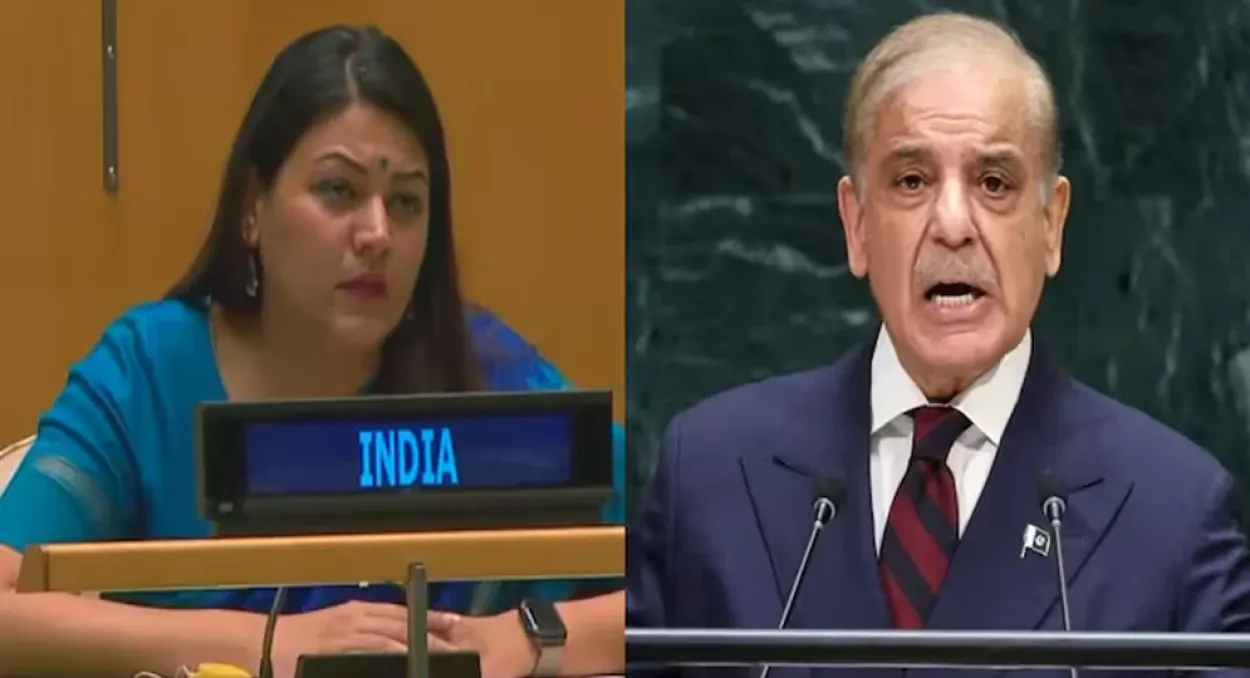
India has launched a blistering counterattack at the United Nations General Assembly in New York against Pakistan's Prime Minister Shehbaz Sharif, accusing Islamabad of state-sponsored terrorism and harboring global militants. Exercising India's right of reply on Saturday, Indian diplomat Petal Gehlot dismissed the remarks made by Pakistan's Prime Minister a day earlier as bizarre, while spotlighting Pakistan's historical ties to terrorism, including the sanctuary once provided to September 11 mastermind Osama bin Laden near a prominent military academy.
During his address at the global summit, the Prime Minister of Pakistan had praised United States President Donald Trump for what he termed timely intervention during the 2025 India-Pakistan military conflict, while once again bringing up the contentious Kashmir dispute. In response, the Indian delegation delivered a stern warning, asserting that Pakistan preaches security by day while abetting militancy by night. The Indian representative emphasized that India will vigorously exercise its right to self-defense, warning that Islamabad will face severe consequences for its continued patronage of terrorist networks.
Recalling military actions from the previous year, the Indian diplomat noted that Operation Sindhur was launched on May 7, 2025, targeting terrorist infrastructure across Pakistan and Pakistan-administered Kashmir in retaliation for an April 22 attack in Pahalgam that left 26 civilians dead. While the United States President has repeatedly claimed credit for averting a full-scale war between the nuclear-armed neighbors, New Delhi has consistently maintained its stance against third-party mediation. Furthermore, the Indian delegation reiterated that Jammu and Kashmir remains an integral and inalienable part of India, while pointing to severe human rights abuses and arbitrary violence perpetrated by the Pakistani government in Pakistan-administered Kashmir.
Addressing the broader governance structures within Pakistan, the Indian representative criticized Islamabad's democratic pretensions, remarking that while puppet leaders may change, ultimate authority remains firmly in the grip of the military establishment. India also lambasted Pakistan over its domestic religious intolerance, citing draconian blasphemy laws and the plight of persecuted religious minorities. Regarding the Indus Waters Treaty, which New Delhi suspended in the wake of the Pahalgam attack, the Indian government reiterated that the pact will remain frozen until Pakistan credibly and permanently halts all forms of cross-border terrorism.