
Illegal Construction Surges on St Martin Island as Resorts Defy Environmental Protection Laws
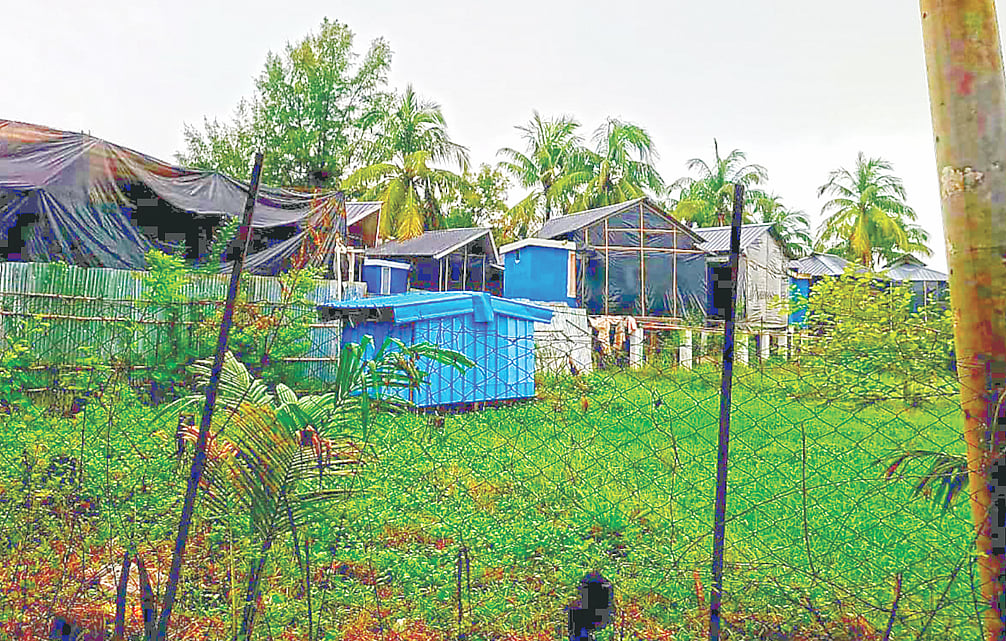
Photo Collected
St. Martin’s Island, the only coral-rich island in Bangladesh and a critical habitat for marine biodiversity, is facing a fresh wave of illegal construction. Despite its designation as an Ecologically Critical Area (ECA), reports indicate that at least 12 new resorts and cottages are currently under construction across the island. Local residents and representatives report that these projects began following the recent national elections, exploiting periods of inclement weather when maritime communication with Teknaf is restricted and administrative oversight is minimal.
This surge in unauthorized development threatens to reverse the gains made by the interim government, which had previously managed to halt construction through legal actions and fines by the Department of Environment (DoE). According to environmental data, more than 230 hotels, resorts, and cottages were built on the island over the past three decades. With the recent and ongoing projects, this number is expected to exceed 300. The rapid expansion involves clearing indigenous Keora forests, extracting sand and limestone from beaches, and erecting unplanned structures, all of which jeopardize a 89 million taka government project currently underway to protect the island’s biodiversity and climate resilience.
Evidence gathered from the site reveals that construction materials—bricks, sand, steel rods, and cement—are being smuggled onto the island despite strict restrictions. Allegations have emerged that materials intended for government-sanctioned rural infrastructure projects are being diverted and sold to resort owners. Local community members and political activists have identified prominent figures and local leaders from the Bangladesh Nationalist Party (BNP), Jubo Dal, and Chhatra Dal as the primary facilitators, supplying labor and materials for these illegal developments.
Environment, Forest, and Climate Change Adviser Syeda Rizwana Hasan emphasized that the island’s survival depends on strong political will and strict administrative enforcement. During a recent visit, the Ministry of Environment directed the DoE, the Cox’s Bazar Development Authority, and the district administration to take immediate action against these illicit activities. However, officials cite limited manpower and logistical challenges due to rough seas as obstacles to immediate intervention.
The ecological impact of this construction is severe. Once home to over 1,000 species of flora and fauna—including endangered sea turtles, coral reefs, and migratory birds—the island has seen a significant decline in biodiversity due to plastic pollution and habitat destruction. Current projects under the DoE aimed at restoring the coastline, creating Keora mangrove buffers, and protecting turtle nesting grounds are now at risk of failure if illegal construction remains unchecked.
Local authorities and the Teknaf Upazila Nirbahi Officer (UNO) have stated that development projects must adhere to strict estimates for construction materials, with any unauthorized diversion of these resources subject to investigation. Despite this, illegal construction continues unabated. With the upcoming tourism season starting in November, contractors are racing to complete these structures, further challenging the legal protections established by the High Court in 2011, which mandated the demolition of all illegal structures built without environmental clearance.
0%
0%
0%
0%