

Systemic erasure of Rakhine place names in Bangladesh sparks debate over cultural heritage preservation
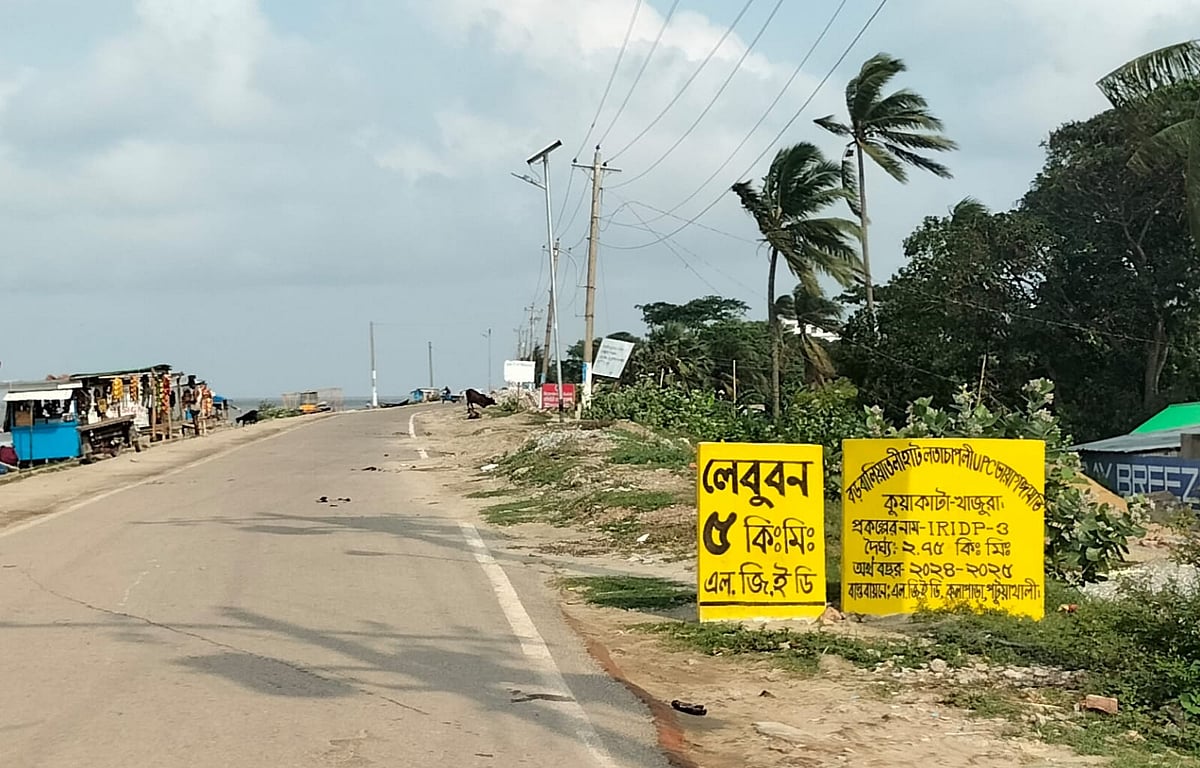
Photo Collected
The government’s recent decision to reverse controversial name changes for three newly formed unions in Bogra’s Shibganj and Mokamtala has sparked a broader national conversation regarding the systematic erasure of indigenous toponymy. While the intervention in Bogra suggests a potential shift in policy, activists and researchers argue that the state must address a far more pervasive issue: the forced “Bengali-ization” of historic Rakhine place names across the southern coastal regions of Patuakhali and Barguna.
For generations, the Rakhine community has shaped the landscape of these regions, weaving their language and history into the geography. However, a pattern of renaming has obscured this heritage. In Kalapara, for instance, the historic village of “Na-ngiri-rowa”—which translates to “village of the dusky-complexioned people”—has been officially rebranded as Naiyoripara. Similarly, the area once known as “Lyum Fru’s Forest,” named after an early settler, has been reduced to “Lebur Bon” (Lemon Forest). Local authorities and even tourism official websites now propagate the narrative that the name originated from lemon trees, ignoring the factual legacy of the Rakhine leader who originally cultivated the land.
The linguistic shifts are extensive and often replace cultural markers with arbitrary Bengali terms. Talatali, once known as “Tatli”—derived from the Rakhine word for “border”—is now widely attributed to local tamarind trees. The Rakhine name “Kha-hlau-para” has been supplanted by Khepupara, and the village of “Mao Pru Sai Rowa,” named after a renowned Rakhine poet and traditional physician, is now officially Poxiyapara. In other instances, phonetic similarities have been exploited to replace indigenous titles with common Bengali names; “Hui-chen-para” has become Hossainpara, and “Dunkupara” has been renamed Rasulpur.
The implications of this cultural erasure extend beyond maps. As researcher Dr. Jagannath Barua noted in a 2014 study, the Rakhine population in these regions is dwindling, raising concerns that their physical and cultural footprint may vanish entirely. This decline is compounded by the encroachment on ancestral lands and Buddhist temple properties, as reported by local spiritual leaders. Critics argue that the development of tourism in areas like Kuakata—often at the expense of indigenous identity—is fundamentally flawed if it relies on the appropriation of the very culture it seeks to commodify.
The late Professor Dara Shamsuddin, in his seminal work on Bangladesh’s toponymy, emphasized that place names are not merely administrative labels but national assets that form the footprints of history. Ensuring the accuracy and integrity of these names is a matter of national importance. As the state moves toward restoring contested identities in the north, there is growing pressure to acknowledge and rectify the historical disenfranchisement of the Rakhine people, ensuring that their names are returned to the map as a critical act of preserving the nation’s diverse historical narrative.
0%
0%
0%
0%