Bangladesh Gas Crisis Deepens as LNG Terminal Repairs Stretch Into August
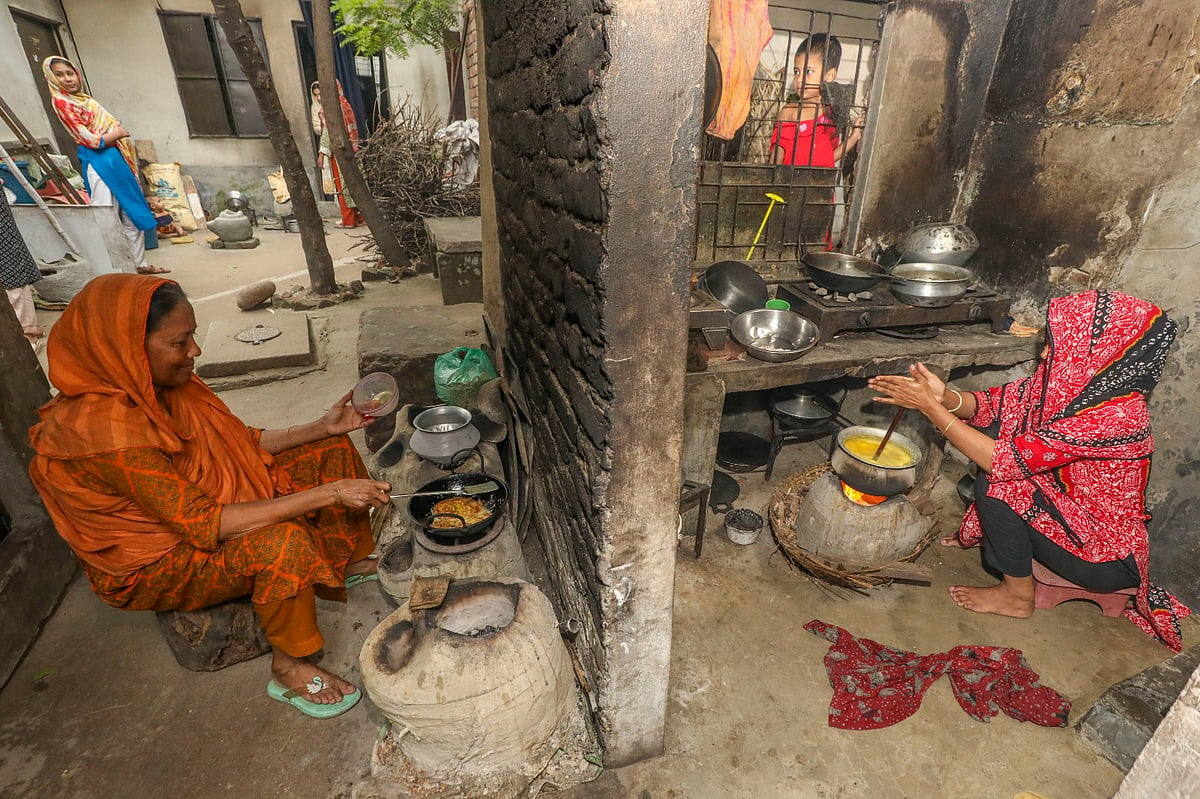
Photo Collected
Bangladesh is grappling with a severe energy crisis as a liquefied natural gas (LNG) supply disruption has triggered nationwide shortages, shuttering industrial production and crippling residential cooking services. The shortfall, caused by a technical fire at an LNG terminal in Cox’s Bazar’s Maheshkhali on July 21, has forced a sharp decline in power generation, leading to daily load-shedding that has surpassed 2,500 megawatts.
The facility, operated by U.S.-based Excelerate Energy, remains offline following the incident. Officials indicate that the company has requested until August 10 to restore full operations. Technical teams are currently working to reactivate an undamaged boiler, which, if successful, could restore 300 million cubic feet of gas per day to the national grid. While imported spare parts have arrived and domestic engineers are assisting foreign specialists, the timeline for a full recovery remains uncertain.
Data from Petrobangla highlights the gravity of the situation: national gas supply has plummeted to below 2.11 billion cubic feet per day against a daily demand of 3.8 billion. LNG typically accounts for 35% to 40% of the total supply, but current contributions have dropped from a peak of 1.05 billion cubic feet to just 460 million.
Residents across the country, particularly in Dhaka’s Mohammadpur and Adabor neighborhoods, report being unable to light cooking stoves for days. In some areas, residents have resorted to waiting until the early morning hours in hopes of securing minimal gas pressure. The shortage has forced many households to switch to electric stoves, inadvertently straining the power grid further. The Power Development Board confirmed that the reduction in gas supply to power plants has curtailed electricity output by more than 1,500 megawatts.
The industrial sector is facing similar pressures, with factories in Narayanganj, Gazipur, and Bhaluka reporting production levels at 50% to 70% of capacity, while some operations have been forced to close entirely. Industry leaders have expressed frustration over the reliability of supply, noting that despite previous price hikes—including a 33% increase under the interim government and an 82% average increase in 2023—promised improvements in service have failed to materialize.
Amid the mounting crisis, reports emerged that Petrobangla had proposed significant price hikes for the power and compressed natural gas (CNG) sectors to the Ministry of Power, Energy and Mineral Resources. However, Energy Minister Iqbal Hasan Mahmud dismissed the reports, stating the government has no current plans to increase prices. He emphasized that the focus remains entirely on restoring supply and addressing the technical failures caused by the terminal accident.
As officials explore alternatives, including potential LNG imports from Malaysia via specialized containers, experts warn that such measures are costly and time-consuming. Energy advisor to the Consumers Association of Bangladesh (CAB), M. Shamsul Alam, criticized the proposed price increases as anti-people, arguing that the government should instead offer rebates to consumers who are paying fixed monthly bills for gas they are not receiving. With global LNG prices remaining volatile due to geopolitical tensions in the Middle East, the path to long-term energy security remains complex and fraught with financial challenges.
0%
0%
0%
0%