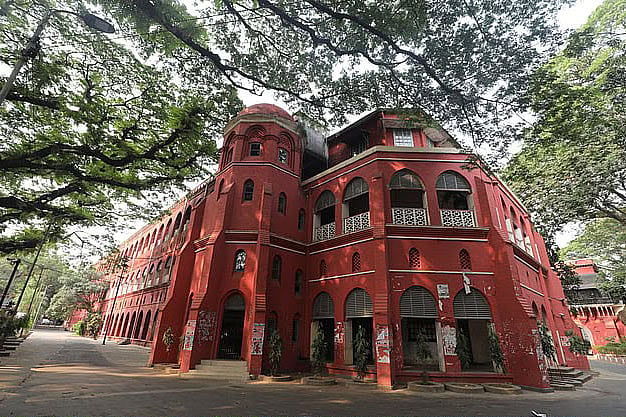


Post-Uprising Khulna University Struggles to Shed Legacy of Systemic Infrastructure and Administrative Deficits
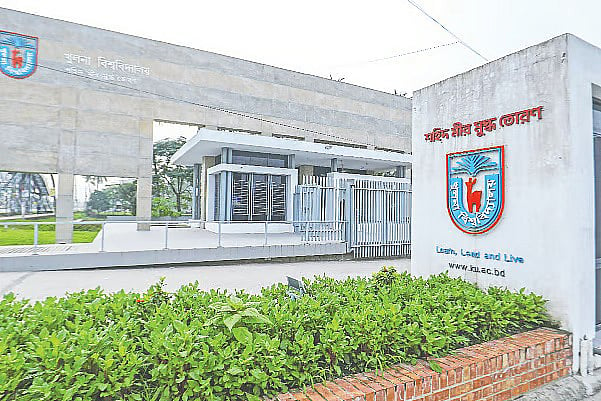
Photo Collected
Khulna University (KU), long recognized as the only public university in Bangladesh free from conventional student politics, finds itself at a crossroads following the recent national uprising. While students initially anticipated a wave of institutional reform, a significant majority of the student body and faculty report that the campus experience remains largely unchanged, with systemic challenges in infrastructure, residential facilities, and administrative governance persisting.
The core of the student grievance lies in a severe accommodation crisis. Despite the university’s growth, housing capacity has failed to keep pace with enrollment. With over 9,500 undergraduate and graduate students currently enrolled, the university can accommodate only about 2,900 students across five residential halls. Students report that the lack of on-campus housing forces them into private off-campus rentals, leading to increased financial burdens and significant safety concerns. Many students, including those in their final years, continue to commute long distances, which prevents them from participating in essential co-curricular activities and skill-development workshops.
বিজ্ঞাপন
Academic infrastructure also remains under immense strain. Several disciplines face a chronic shortage of classrooms, forcing some to operate out of borrowed space from other departments, sometimes as early as 8:00 a.m. Lack of dedicated laboratories, seminar libraries, and common rooms further hampers the learning environment. Pro-Vice Chancellor Professor Md. Harun-ur-Rashid Khan acknowledged these constraints, noting that the campus’s geological composition limits vertical expansion. The university administration has proposed the acquisition of 230 acres of land outside the current perimeter to facilitate the construction of new academic buildings and residential halls, though these plans remain in the proposal stage.
While the administration has introduced some positive measures—such as a slight reduction in course fees, the recruitment of a psychologist, and the establishment of dental and ophthalmology units at the medical center—students argue these do not address fundamental systemic failures. Concerns regarding the quality of food in residential halls remain high, with many students opting for more expensive off-campus meals despite limited budgets. Furthermore, students have expressed alarm over the apparent rise in the availability of illicit substances in areas surrounding the campus, prompting the university to reiterate a “zero tolerance” policy toward drug-related activities.
বিজ্ঞাপন
Administrative stability remains a point of contention as well. Critics argue that the practice of appointing faculty to leadership positions based on political affiliations persists, with several individuals currently holding multiple, overlapping administrative roles. While the administration maintains that these appointments are based on expertise and necessity, students remain wary of a lack of structural transparency.
The cultural landscape of the university, once vibrant with over 30 active student organizations, is also showing signs of stagnation. The withdrawal of corporate sponsorship for cultural events has crippled student clubs, leaving many unable to host regular programming. Despite occasional events, the overall consensus among the student body is that the promise of post-uprising reform has yet to translate into tangible improvements to their daily academic and residential lives.
0%
0%
0%
0%