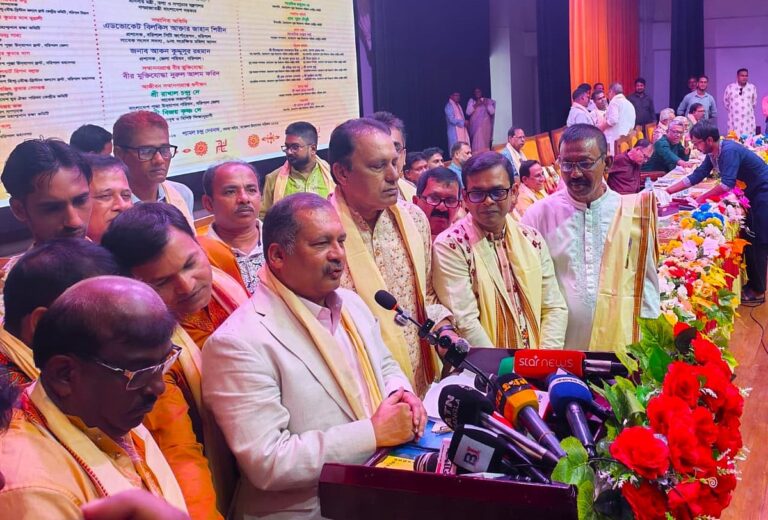

Nahid Islam warns against repressive tactics and reiterates commitment to democratic dissent
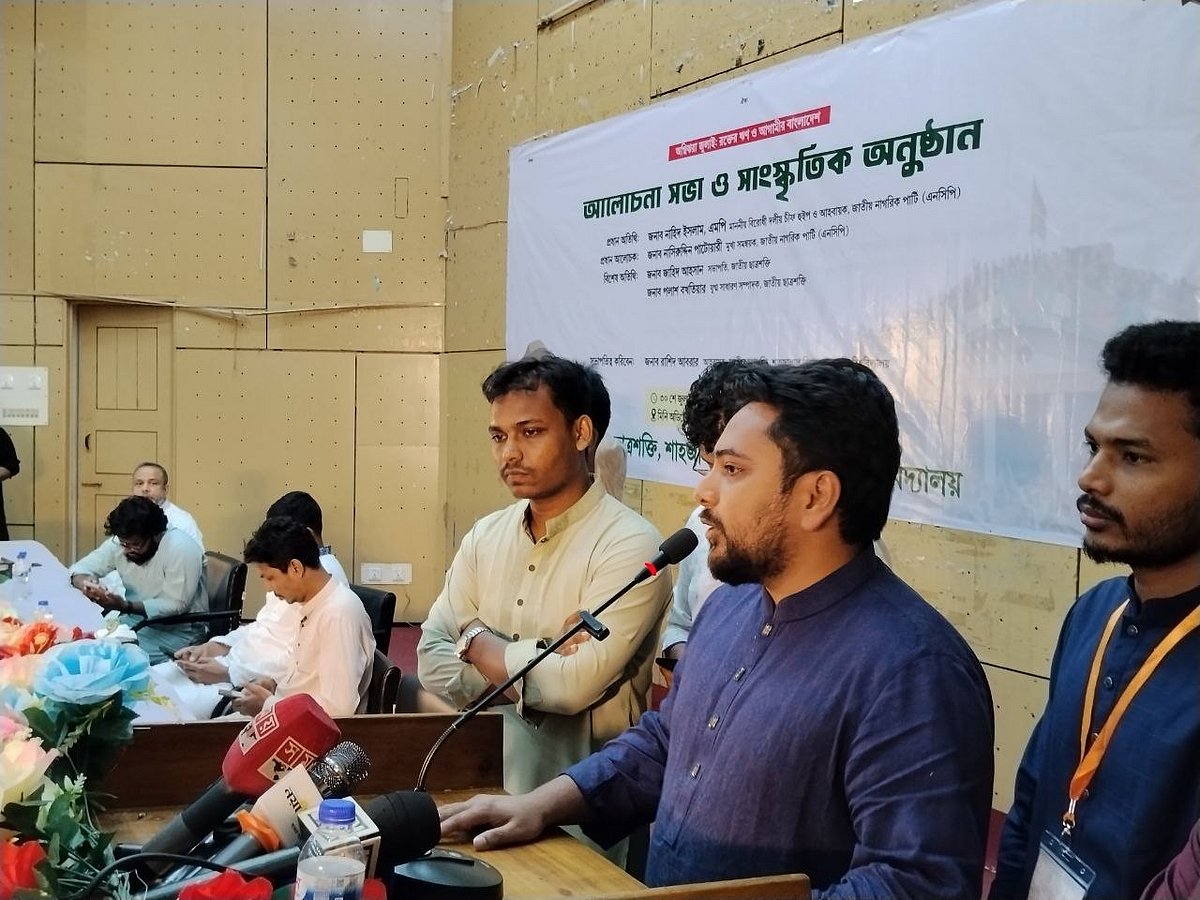
Photo Collected
National Citizen Party (NCP) convener Nahid Islam has issued a sharp rebuke to the Bangladesh Nationalist Party (BNP), warning political actors against adopting the repressive tactics of the previous administration. Speaking at a seminar titled “The Fiery July and Tomorrow’s Bangladesh” at Shahjalal University of Science and Technology (SUST) on Thursday, Islam cautioned that the political climate has shifted and that the public is no longer willing to tolerate the suppression of dissent under the guise of security.
Addressing a gathering organized by the university branch of Jatiya Chhatrasakti, Islam emphasized that political criticism should be met with counter-arguments rather than intimidation. He warned that those attempting to emulate the strategies of the ousted Sheikh Hasina regime are misreading the current national mood, noting that even children are now well-versed in the mechanics of how the former government was toppled.
The NCP convener specifically addressed the misuse of security narratives to curtail free speech. He criticized the heavy security presence and police deployments, which he argued are often employed to foster a culture of fear rather than to maintain order. Islam asserted that if perpetrators of violence were held accountable, such excessive measures would be unnecessary. He urged authorities to abandon the habit of using “security concerns” as a pretext for censorship, maintaining that democratic discourse requires the freedom to criticize government policies without fear of attack or state-sanctioned reprisal.
Reflecting on recent political tensions, including reported attacks in Habiganj and the scrutiny surrounding NCP chief coordinator Nasiruddin Patwary, Islam maintained that political leaders have an inherent duty to critique the government. He argued that if any speech violates the law, it is a matter for the judiciary to handle—not for student organizations, party cadres, or localized groups to resolve through violence. He characterized these attempts to silence opposition as a vestige of the digital security laws used by the previous regime to suppress dissent.
Looking toward the future, Islam outlined the two primary objectives of the post-July uprising: accountability and systematic reform. He warned that without these, the existing political structure remains vulnerable to the emergence of “neo-fascists.” He pledged that the movement would remain vigilant against both the return of past autocratic elements and the potential for new actors to exploit the current power structure.
During the same event, NCP chief coordinator Nasiruddin Patwary called for immediate student union elections at SUST. Addressing local delays in the electoral process, he urged students to demand accountability regarding the obstacles hindering the vote, framing the realization of campus elections as a fundamental right for the student body. The seminar featured remarks from representatives of various student political factions, underscoring a collective push for institutional transparency and the safeguarding of democratic values within the academic space.
0%
0%
0%
0%