
Indigenous Rights Advocates Call for State Protection and Recognition of Ethnic Diversity in Bangladesh
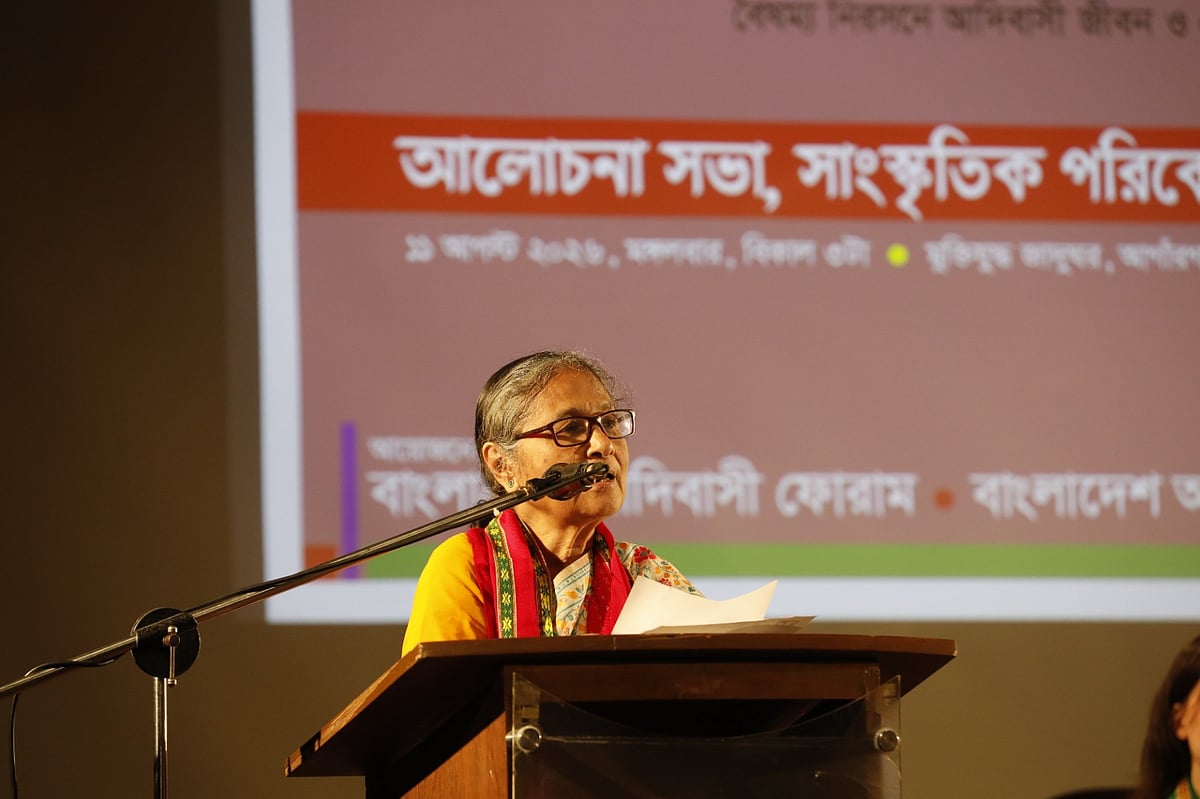
Photo Collected
Indigenous rights activists and civil society representatives called on Tuesday for the state to recognize the nation’s ethnic diversity as a source of strength and cultural enrichment rather than a catalyst for division. Speaking at a seminar in Dhaka’s Liberation War Museum, speakers urged policymakers to take proactive measures to protect the languages, traditions, and ancestral knowledge of the country’s diverse indigenous communities.
The event, held in observance of the upcoming International Day of the World’s Indigenous Peoples, was organized jointly by the Bangladesh Indigenous Peoples Forum and the Bangladesh Indigenous Women Network. This year’s theme, “Protecting Indigenous Life and Traditional Knowledge,” emphasizes the historical contributions and rights of indigenous groups.
Addressing the forum, Maleka Banu, general secretary of the Bangladesh Mahila Parishad, stated that the unique cultural heritage of indigenous groups across the country serves as a point of national pride. However, she expressed concern over the systematic displacement of these communities from their lands in the name of development, noting that their languages and cultures are often marginalized. Banu added that despite the contributions of indigenous people to the nation, they remain denied formal constitutional recognition, with indigenous women facing the most severe levels of systemic vulnerability.
Sanjeeb Drong, general secretary of the Bangladesh Indigenous Peoples Forum, described the nation as a “rainbow nation” and warned that diversity should not be perceived as a threat. He emphasized that the country would become more vibrant and prosperous if the dignity of all ethnic groups were upheld by those in power. He reiterated that while all citizens are equal in theory, significant disparities in rights and status remain deeply entrenched.
Flora Babli Talang, vice president of the Bangladesh Indigenous Peoples Forum and chair of the session, criticized the lack of institutional appreciation for indigenous contributions to environmental conservation and natural forest management. She noted that indigenous knowledge regarding food, clothing, and heritage continues to be viewed through a biased lens by mainstream society, asserting that it is time for a comprehensive re-evaluation of these traditional practices.
Katharina Koenig, deputy team leader of the Civic Engagement Fund program—a joint initiative supported by the Embassy of Switzerland, Global Affairs Canada, and the European Union—stressed that development efforts often focus solely on the challenges faced by indigenous groups while ignoring their existing expertise and organizational methods. She called for policymakers and civil society to create more meaningful platforms for indigenous voices, ensuring that their specific priorities are central to decision-making processes.
The seminar also featured remarks from Falguni Tripura, general secretary of the Indigenous Women Network, as well as contributions from Islamic University associate professor Farha Tanzim, Manusher Jonno Foundation director Banasree Mitra Neogi, and representatives from the Kapaeeng Foundation. The discussion concluded with cultural performances showcasing the traditions of various indigenous communities.
0%
0%
0%
0%
More News from Local