
Hossain Zillur Rahman Urges Small-Scale Institutional Reforms Alongside Structural Change in Bangladesh
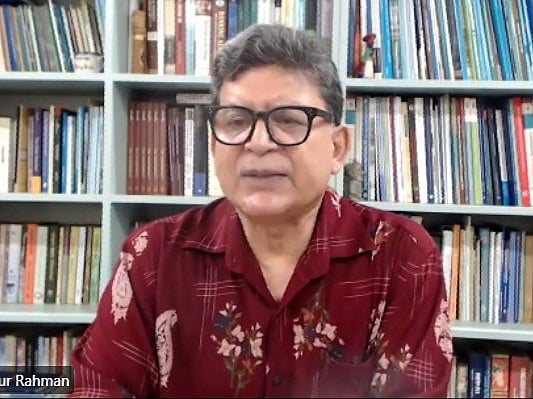
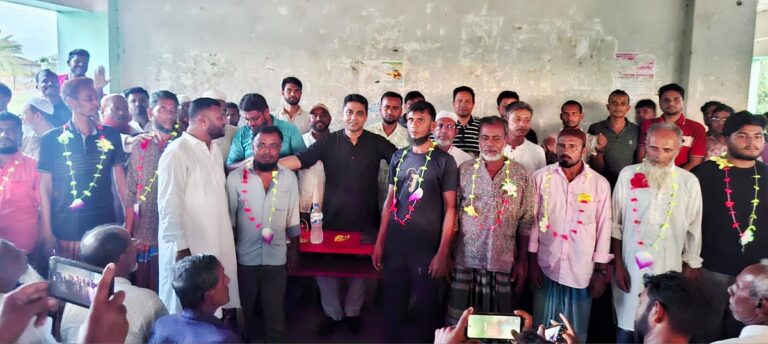
Photo Collected
Hossain Zillur Rahman, chairman of the Power and Participation Research Centre (PPRC) and a former advisor to the caretaker government, has cautioned that major structural reforms risk remaining confined to paper unless accompanied by incremental, process-oriented changes. Speaking at an online discussion titled “Multifaceted Potential of Youth in Post-Uprising Bangladesh” on Saturday, Rahman argued that the nation’s administrative and institutional frameworks continue to be burdened by colonial-era tendencies and power dynamics.
While acknowledging the significance of constitutional, legal, and state-level restructuring, Rahman emphasized that genuine transformation requires simultaneous focus on institutional and procedural adjustments at the grassroots and community levels. He asserted that relying solely on high-level political or state reforms is insufficient to achieve systemic change.
Illustrating his point through the education sector, the former advisor noted that the formation of an education commission alone cannot overhaul the system. Instead, he argued for specific changes to teacher recruitment processes and the creation of an environment conducive to quality education. A similar approach is required in the health sector, where strengthening primary healthcare must be prioritized as a pillar of the broader system.
Rahman highlighted that while the youth remain a primary force for change in Bangladesh, their efforts alone are insufficient to overcome entrenched opposing interests. He called for the youth to forge positive alliances with collective forces across various levels of society to drive meaningful progress. Furthermore, he warned against limiting the reform process to Dhaka or elite circles, advocating instead for the decentralization of political leadership, project implementation, and technology adoption. He stressed that citizens in every region of the country must be empowered as architects of this transformation.
The discussion also touched upon the necessity of personal accountability. Rahman remarked that the ultimate success of these reforms hinges on whether individuals are willing to evolve, improve their own behaviors, and elevate their core values. He reaffirmed that the aspirations voiced during the July movement must guide the development of a Bangladesh that is humane, equitable, and supportive of meritocracy.
Taznuva Jabeen, an organizer with the National Organizing Committee of Alternatives, underscored the need for professionals—including doctors, engineers, and bankers—to engage in the state and political reconstruction process, with a specific focus on expanding opportunities for women in politics.
The event, chaired by Hossain Zillur Rahman, also featured insights from Supreme Court lawyer M.M. Khaliquzzaman; Munim Mobassher, co-founder of the Bengal Institute for Peace and Economic Development; agricultural entrepreneur and content creator Umme Kulsum Poppy; student activist Dau Sing Nu Marma, who works with marginalized children in the Chittagong Hill Tracts; and Sakib Hossain, CEO of the agricultural supply technology firm Fashol.com.
0%
0%
0%
0%