Delhi Press Event Sparks Diplomatic Friction Between Bangladesh and India
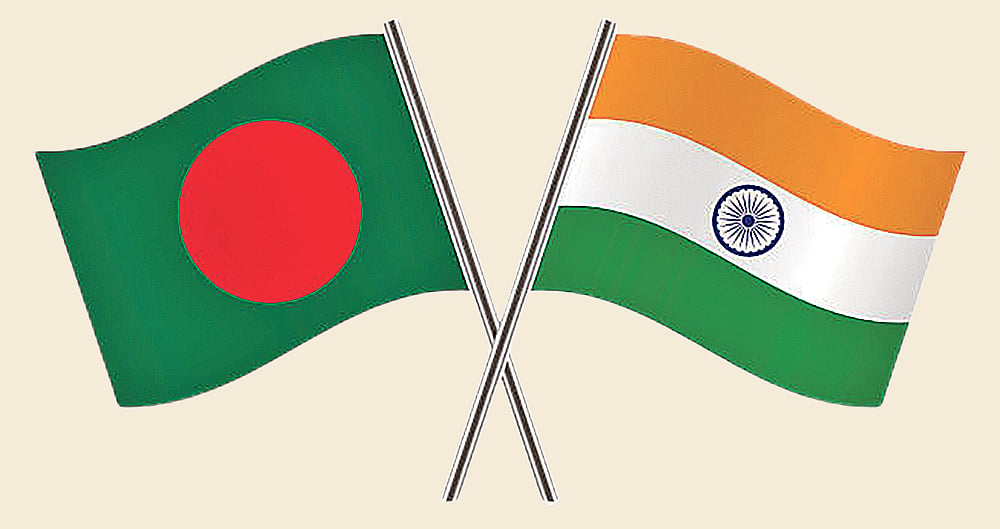
Photo Collected
Dhaka has demanded that New Delhi take decisive action to prevent Sheikh Hasina from using Indian soil to incite instability in Bangladesh, following a high-profile media interaction by the former prime minister in Delhi that has strained bilateral relations.
The diplomatic friction intensified after Hasina held a direct live interaction with journalists in the Indian capital on Wednesday. The event occurred despite prior assurances from high-level Indian officials to their Bangladeshi counterparts that Hasina would only deliver a recorded message with restricted media attendance. Bangladesh had expressed concerns regarding the potential impact of such an event on bilateral ties prior to its occurrence.
On Friday, the Indian Ministry of External Affairs publicly distanced itself from Hasina’s remarks. Spokesperson Randhir Jaiswal stated that the Indian government does not endorse statements made from such platforms, particularly those directed against the legally constituted government of Bangladesh.
The Bangladesh government issued a sharp formal protest, expressing deep frustration that New Delhi permitted a “fugitive convicted genocidaire” to broadcast hostile rhetoric against the state and its people. Dhaka emphasized that the event—held as Bangladesh marked the second anniversary of the July Revolution—constituted an affront to the nation’s sovereignty and the martyrs of the uprising.
The incident has complicated efforts to normalize relations between the two nations, which have been in a state of flux since the change in government. Concerns have been heightened by the lack of visible Indian intervention, despite a July 30 assurance from the Indian government to its parliamentary standing committee that Hasina had not been granted permission to engage in political activities from Indian territory.
Analysts suggest the controversy casts doubt on Bangladesh’s participation in the upcoming 18th BRICS Outreach Session in Delhi, scheduled for September 12. While Prime Tariq Rahman has been invited in his capacity as the current chair of BIMSTEC, his attendance remains uncertain. An appearance would have offered a significant platform for Rahman to hold his first meeting with Indian Prime Minister Narendra Modi, as well as engage with global leaders, including those from China and Russia.
Michael Kugelman, a South Asia expert at the Atlantic Council, noted that India had the capability to prevent the media event. He suggested that Dhaka would likely perceive the incident as continued Indian indulgence of its long-standing political ally, noting that India’s attempts to maintain a middle-ground position are unlikely to be accepted by the Bangladeshi government.
The incident has also drawn criticism within Indian media. An editorial in the *Indian Express* argued that while Hasina remains a protected guest, the bilateral relationship is too critical to be held hostage by any single individual or special interest. Similarly, reports from BBC Bangla have questioned whether Hasina, once a “trusted friend,” has now become a liability for New Delhi, particularly as she continues to reject Indian government proposals for resolving the current diplomatic deadlock.
Sheikh Hasina is a fugitive convicted of crimes against humanity related to the 2024 student-led mass uprising and currently faces a death sentence. Her party, the Awami League, has been banned in Bangladesh. As diplomatic tensions persist, analysts like Professor Sreeradha Datta of O.P. Jindal Global University suggest that both nations should avoid viewing this episode as a long-term setback, emphasizing that mutual cooperation remains in the interest of both countries.
0%
0%
0%
0%