Chittagong City Corporation identifies 92 Aedes mosquito breeding sites including residence of former chief adviser Muhammad Yunus
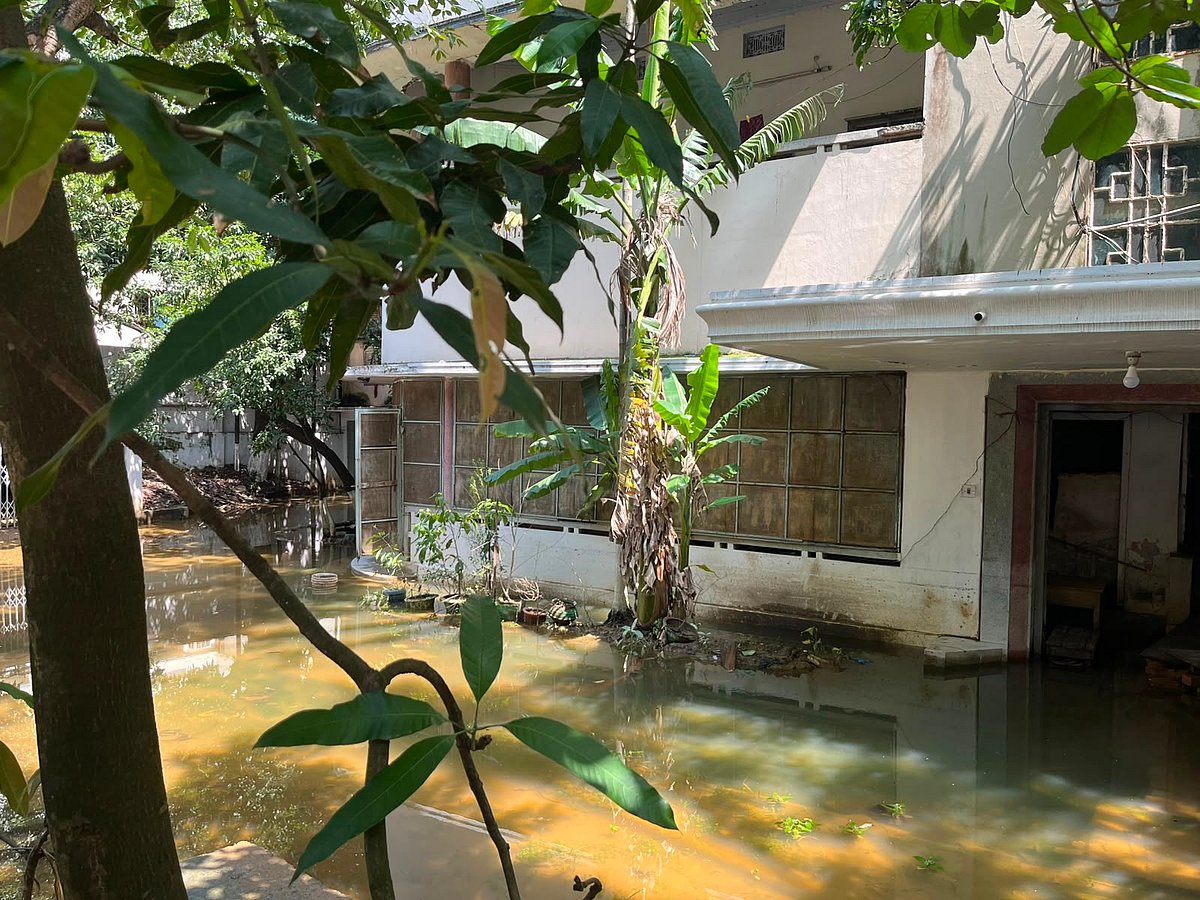
Photo Collected
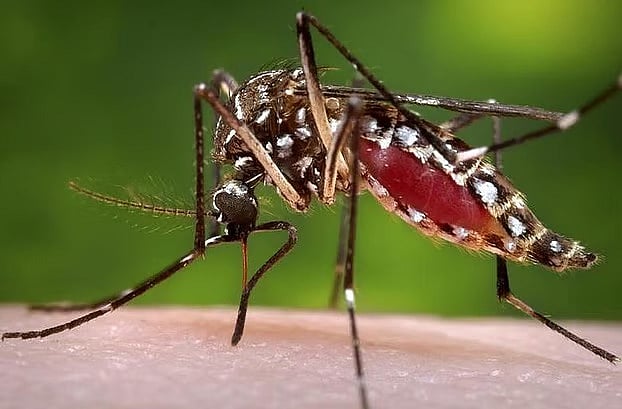
CHITTAGONG – A recent survey by the Chittagong City Corporation (CCC) has identified 92 Aedes mosquito breeding sites across six wards, heightening concerns over a surge in dengue infections as stagnant water accumulates in construction sites, abandoned buildings, and educational institutions.
The survey, conducted between June 8 and June 20, specifically targeted eight wards previously flagged as high-risk zones. Among the 92 identified breeding grounds, the highest concentration was found in North Kattali with 31 sites, followed by Jalalabad with 22, Panchlaish with 15, Chawkbazar and West Bakalia with 10 each, and Patharghata with four.
The residence of Nobel laureate and former interim government chief adviser Dr. Muhammad Yunus, located in the Panchlaish residential area, was among the sites identified as a breeding ground. Security guard Md. Sayem Khan noted that the building’s ground floor remains largely abandoned, with rainwater stagnating for over a week at a time. City officials confirmed they have notified the occupants of the necessity for immediate sanitation.
Educational institutions have also emerged as significant hotspots, with 11 facilities—including Chittagong College, Haji Muhammad Mohsin College, and the Government Teachers’ Training College—harboring stagnant water in overgrown, unkempt areas. Mohammad Mojahedul Islam Chowdhury, principal of Chittagong College, acknowledged the issue, citing extensive vegetation on campus, and stated that regular cleaning efforts are underway to eliminate the larvae.
CCC malaria and mosquito control officer Md. Sarful Islam stated that the corporation has already cleared 70 of the 92 identified sites and is applying insecticide to the remainder. He emphasized that controlling the outbreak requires collective action beyond municipal efforts, urging property owners and institutional authorities to maintain cleanliness and prevent water accumulation.
Public health data underscores the urgency of these interventions. As of August 19, Chittagong has recorded 1,497 dengue cases this year, with 1,199 of those infections occurring during July and August alone. The virus has claimed three lives in the district so far this year. With peak transmission months historically falling in late summer, health authorities remain on high alert.
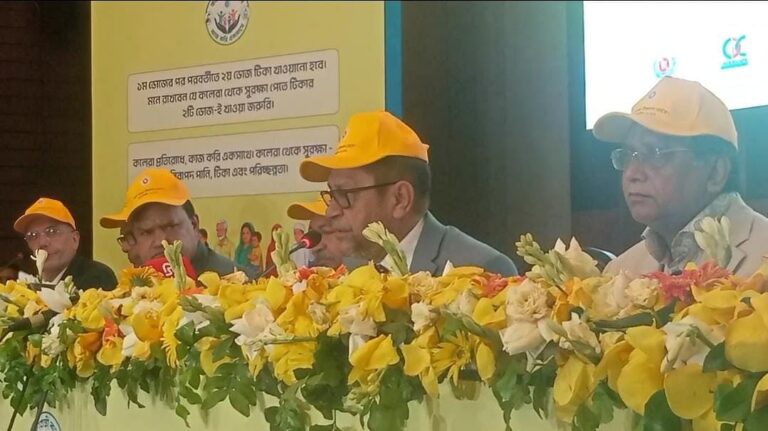
In response to the rising threat, the City Corporation has launched a “Mosquito Eradication Week” coinciding with World Mosquito Day. The initiative includes intensive spraying programs, the distribution of awareness leaflets, and the deployment of mobile courts to penalize property owners who fail to clear stagnant water.
0%
0%
0%
0%
More News from Health