

Study Finds 65 Percent of Children With Measles Suffer From Moderate to Severe Malnutrition in Bangladesh
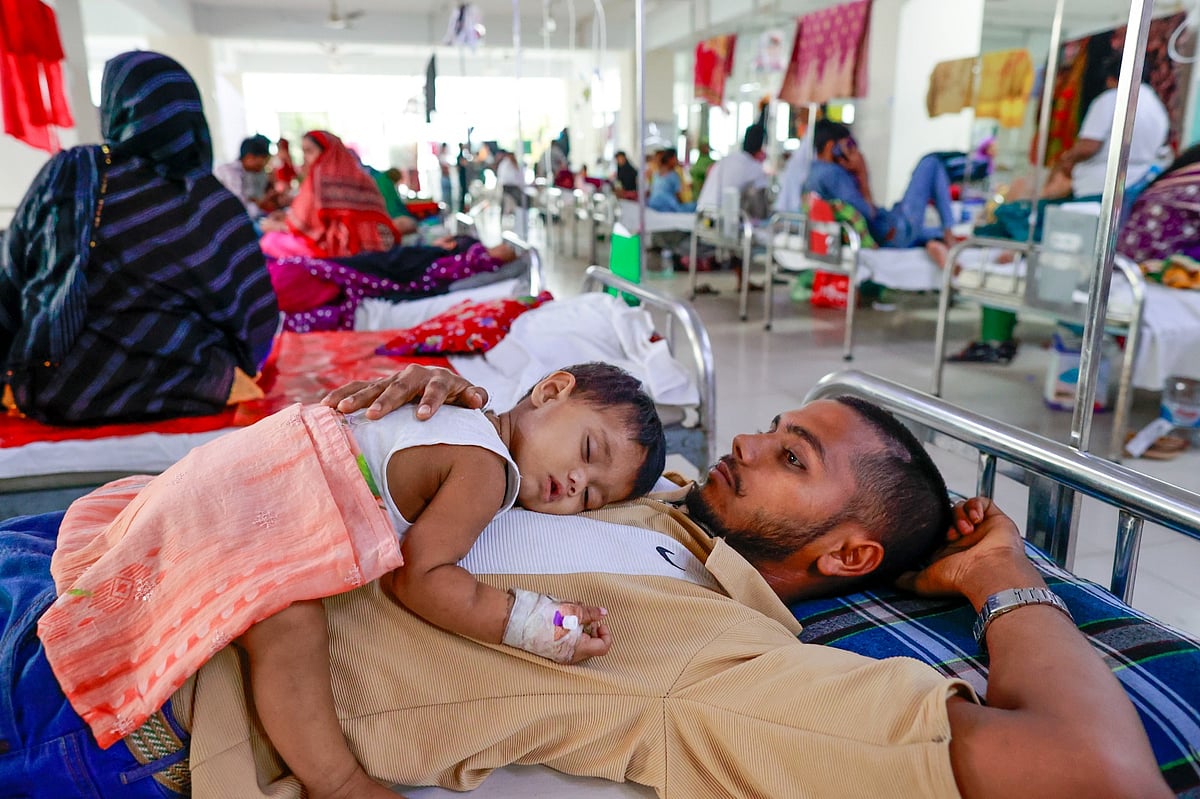
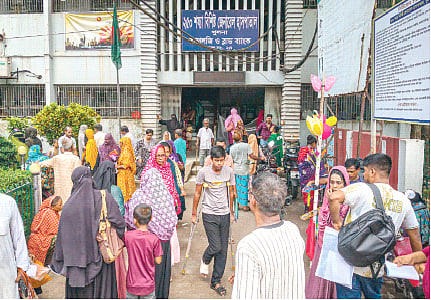
Photo Collected
A recent study has revealed that 65 percent of children infected with measles suffer from moderate to severe malnutrition, underscoring the critical link between nutritional status and disease vulnerability. The research, conducted jointly by the Bangladesh Shishu Hospital and Institute and the International Centre for Diarrhoeal Disease Research, Bangladesh (icddr,b), found that 95 percent of children presenting with measles-like symptoms tested positive for the virus.
The findings were released on Wednesday at an event attended by State Minister for Health M.A. Muhit, alongside health officials, scientists, and clinicians. During the presentation, Minister Muhit acknowledged that the country is currently grappling with a measles outbreak, noting that controlling the spread remains a significant challenge. He identified a critical shortage of field-level health workers—with 40 percent of 40,000 sanctioned positions currently vacant—as a major hurdle in ensuring universal vaccination coverage. The minister stated that current systemic failures cannot be corrected instantly, projecting that it will take at least two to three months to bring the situation under control.
The study analyzed 354 children under the age of 14 who sought treatment at the Bangladesh Shishu Hospital and Institute between March and July of this year. Professor Mirza Md. Ziaul Islam, director of the institute, noted that 71 percent of the patients arrived directly at the facility, while 29 percent were referred from other hospitals. More than 5 percent of the admitted children required intensive care unit (ICU) support.
Among the 308 children under five years of age, 12 percent suffered from severe malnutrition and 53 percent from moderate malnutrition. Furthermore, the study highlighted the importance of breastfeeding, noting that 82 percent of the 11 children who died from measles complications were not exclusively breastfed.
Regarding immunization, data from 342 cases showed that 43 percent of the infected children were too young to receive the vaccine, which is administered at nine months and 15 months. However, 37 percent of children who were eligible for vaccination had received no doses at all, while 14 percent had received one dose and 6 percent had completed the two-dose schedule. Researchers noted that the instances of infection among fully vaccinated children require further scientific investigation.
Senior Director of icddr,b, Md. Mustafizur Rahman, presented genetic analysis of the virus, noting that the B3 strain remains dominant in the region. He explained that maternal antibodies, which protect newborns, wane rapidly after birth, leaving infants susceptible by six months of age. He reinforced that while maternal antibodies provide early protection, vaccination at nine months remains the most effective strategy.
Official data from the Directorate General of Health Services (DGHS) indicates that 922 deaths have been linked to measles symptoms or confirmed cases this year. As of Wednesday, the total number of confirmed cases in the country stood at 18,076, with 145,711 people having sought treatment for symptoms throughout the year. Over 3,000 patients remained hospitalized for measles-related complications as of Wednesday. Researchers have urged the government to strengthen immunization strategies, enhance disease surveillance, and utilize the study’s findings to accelerate efforts to eliminate the disease.
0%
0%
0%
0%