Neela Chowdhury dismisses rumors of romance between late film star Salman Shah and actress Shabnur
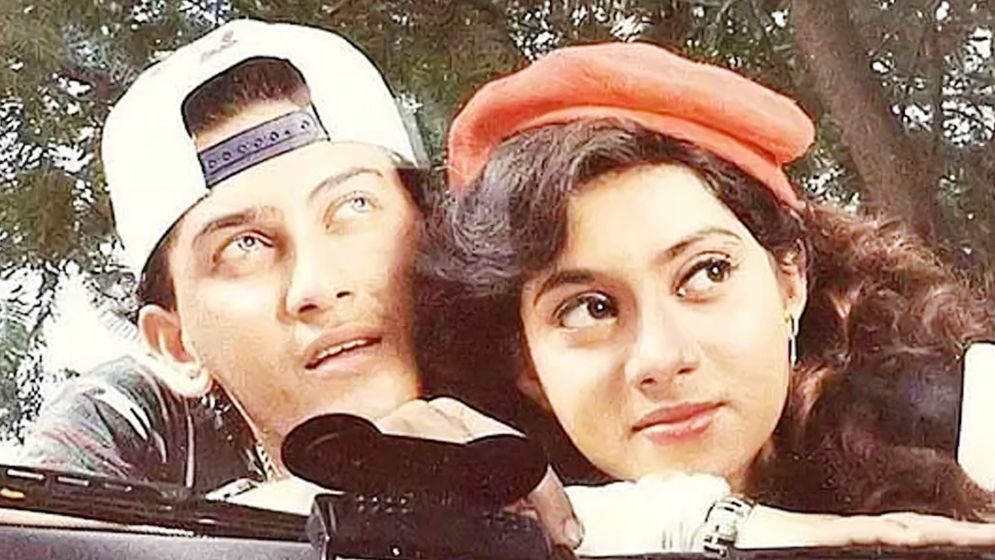
Photo Collected
Neela Chowdhury, the mother of late legendary Bangladeshi film star Salman Shah, has publicly addressed long-standing rumors regarding her son’s relationship with frequent co-star Shabnur, asserting that their bond was strictly platonic.
The late actor, who died on September 6, 1996, remains an iconic figure in the Bengali film industry nearly three decades after his passing. During his brief but prolific four-year career, Salman Shah starred in 27 films, 14 of which featured Shabnur as his lead actress. Their onscreen chemistry became a hallmark of 1990s cinema, fueling persistent media speculation of an off-screen romance.
Addressing the rumors following the recent arrest of actor Don in connection with the ongoing Salman Shah murder case, Neela Chowdhury clarified that her son viewed Shabnur as a younger sister. She explained that because Salman did not have a sister of his own, he provided guidance and support to Shabnur, who relied on him during their collaborative years. However, Chowdhury also suggested that Shabnur occasionally acted in ways that invited public speculation, leading to rumors that the actress disputes to this day.
Shabnur has consistently rejected claims of a romantic involvement with the late actor, maintaining that she held him in the same respect as a brother. The actress stated that certain individuals and media outlets fabricated sensational stories about their relationship for profit, causing her significant distress. She emphasized that she built her career through diligent hard work and expressed frustration over the rumors that have shadowed her professional reputation.
Salman Shah made his debut in the 1993 film “Keyamat Theke Keyamat” opposite Moushumi, before forming his widely celebrated partnership with Shabnur in “Tumi Amar.” The duo went on to deliver several blockbusters that remain popular with audiences today, including “Sujan Sakhi,” “Swapner Thikana,” “Bikkhobh,” “Bichar Hobe,” “Tomake Chai,” and “Anondo Osru.”
0%
0%
0%
0%