
Farmers Protest Over Artificial Fertilizer Scarcity as Systemic Corruption and Smuggling Cripple Distribution Across Northern Bangladesh
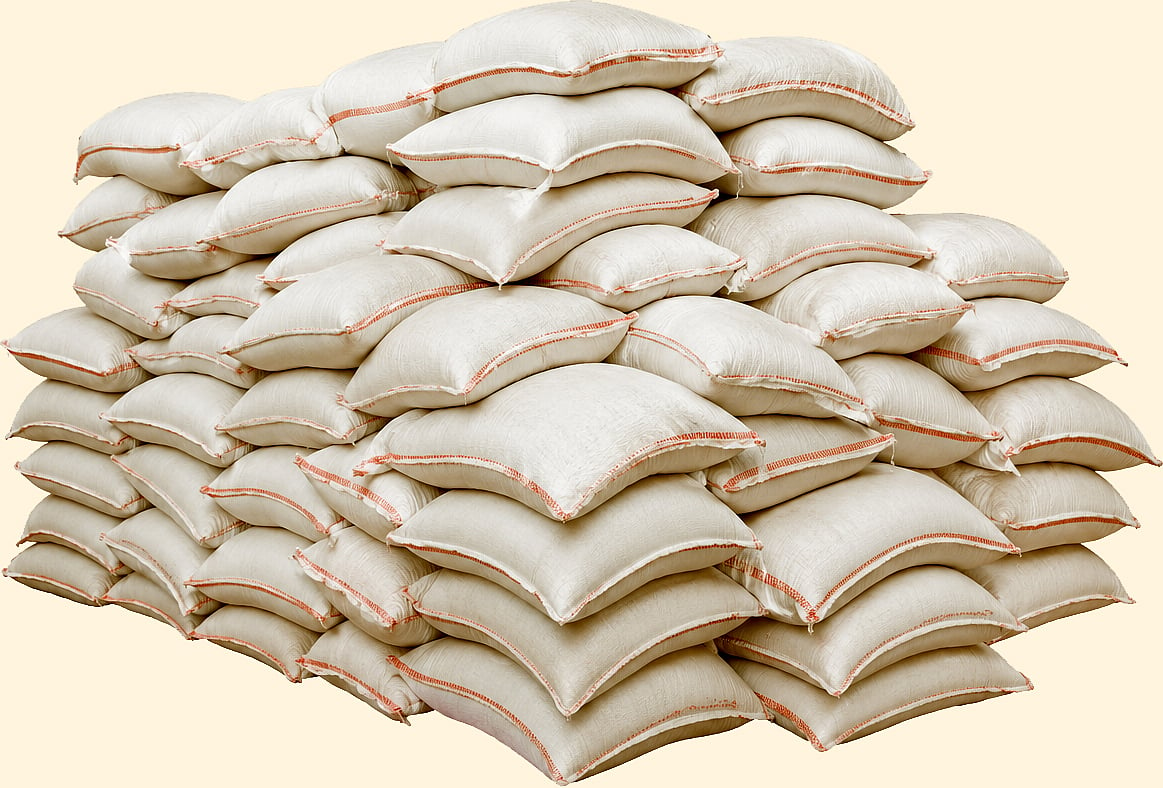
Photo Collected
LALMONIRHAT, Bangladesh – Farmers in Lalmonirhat staged a massive protest and blocked the Lalmonirhat-Burimari highway on August 10, demanding adequate access to government-subsidized fertilizers. The demonstration was triggered by chronic shortages and exorbitant markups by local dealers, with farmers reporting they were forced to pay between 400 to 800 BDT above the official government rate for essential inputs like TSP, DAP, and urea.
The blockade, which involved hundreds of farmers, was only lifted after the Kaliganj Upazila Nirbahi Officer (UNO) and local police intervened, promising to ensure the distribution of fertilizers at official prices. This incident follows a similar pattern of agricultural unrest, including a 2025 protest in Bakshiganj, Jamalpur, where farmers were also forced to mobilize to secure basic farming supplies.
The crisis stems from a systemic failure in the dealership system, which critics argue has become predatory. With the absence of functional local government representatives for nearly two years, appointed dealers have reportedly capitalized on the vacuum to manipulate supply levels. By creating artificial shortages, dealers have been able to inflate prices significantly; for instance, TSP, officially priced at 1,350 BDT, has been sold for as much as 2,200 BDT in local markets.
The issue extends far beyond local price gouging, as investigations reveal a sprawling network of illicit fertilizer smuggling. Authorities have recently intercepted multiple major shipments destined for neighboring countries. On June 28, the Border Guard Bangladesh (BGB) at the Choto Horina checkpost in Barkal, Rangamati, seized 3,500 kilograms of fertilizer. Similarly, in July, coast guard and police personnel in Monpura, Bhola, intercepted a trawler carrying fertilizer destined for Myanmar. Reports indicate that even large-scale shipments from the Karnaphuli Fertilizer Company (KAFCO) have been diverted from official supply chains by contractors and unscrupulous employees to be smuggled abroad for higher profit margins.
Government officials acknowledge the crisis but emphasize ongoing administrative efforts to restore order. Agriculture Ministry Secretary Md. Salim Khan stated that the government has initiated investigations, transferred several Deputy Directors within the Department of Agricultural Extension, and formed committees to monitor the storage and distribution of fertilizers across the 16 districts of the Rajshahi and Rangpur divisions.
However, critics remain skeptical of these bureaucratic measures. Multiple committees formed to investigate incidents like those in Bhurungamari consist primarily of government officials, excluding the actual stakeholders—the farmers. Observers note that without a representative and accountable local government system, these committees serve merely as formalities.
To address the recurring shortages and corruption, experts propose a ten-point reform plan. Key recommendations include precise demand forecasting based on seasonal crop cycles at the union level, mandatory online publication of stock and distribution data, linking fertilizer purchases to national identification or farmer registration cards, and establishing transparent complaint-resolution mechanisms. Experts maintain that until the management of agricultural inputs is insulated from political cronyism and overseen by a responsive, elected local government, the cycle of shortages and exploitation will persist.
0%
0%
0%
0%