Residents of Dhaka upscale neighborhoods demand regulation of battery-powered rickshaws to curb traffic congestion
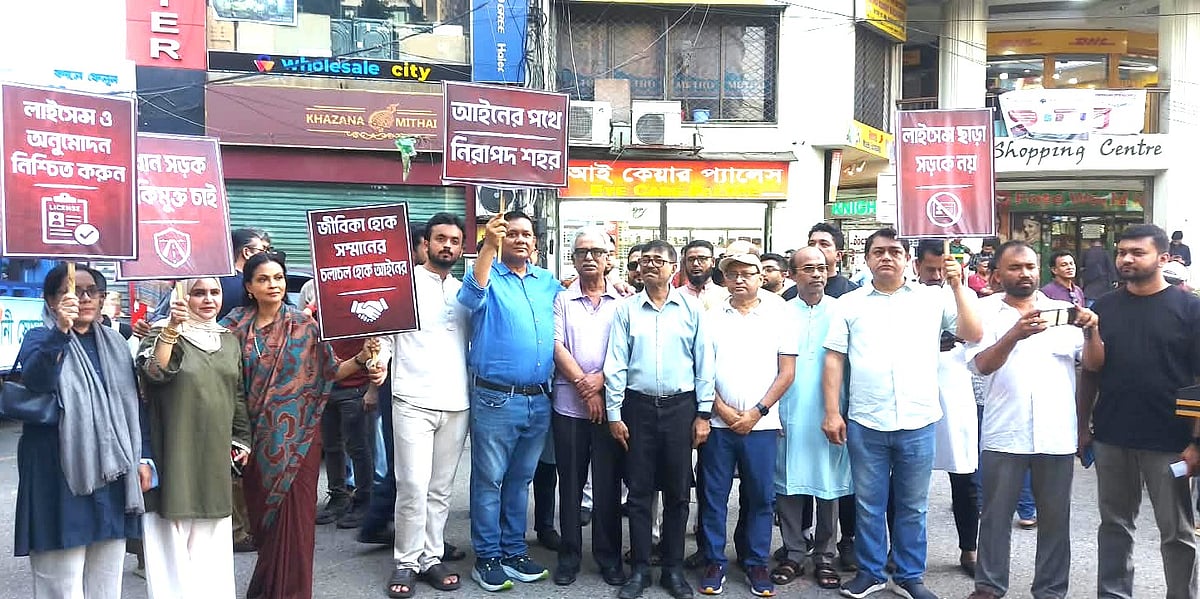
Photo Collected
Residents of Dhaka’s upscale neighborhoods, including Gulshan, Banani, Baridhara, and Niketan, staged a public rally on Friday to demand stricter regulation of battery-operated rickshaws and improved traffic management. The demonstration, held at the Gulshan-2 roundabout, was organized by the Gulshan Society, an association representing local residents.
Participants presented a five-point charter of demands aimed at addressing traffic congestion and ensuring road safety. The proposed measures include restricting battery-operated rickshaw movement to only licensed vehicles, limiting their access on major, high-risk arterial roads, and enforcing strict adherence to traffic laws. Furthermore, the residents called for the implementation of safer public transportation alternatives and the creation of vocational rehabilitation programs for rickshaw drivers to ensure they have alternative livelihoods.
Omar Sadat, President of the Gulshan Society, emphasized that the movement is not aimed at depriving individuals of their income, but at establishing order on the city’s roads. He noted that the reliance on rickshaws as a primary mode of transit is unsustainable and inconsistent with global urban standards. According to Sadat, the proliferation of illegal battery-operated vehicles has led to intolerable congestion, chaos, and security risks that have remained unaddressed despite long-standing complaints from the community.
The organizers expressed their determination to continue street protests until their demands are met. Sadat urged authorities to facilitate the removal of illegal vehicles while providing necessary training and economic support for the drivers displaced by such measures.
The rally was attended by prominent community leaders, including Gulshan Society Secretary General Mujibur Rahman Mridha, former Secretary General Sarwat Siraj, and Banani Society President Shawkat Ali. Each expressed their support for the five-point agenda, calling for immediate intervention from the relevant municipal and traffic authorities.
0%
0%
0%
0%