
Experts call for restoration of guarantee clause in upcoming Ganges water sharing treaty with India
Photo Collected
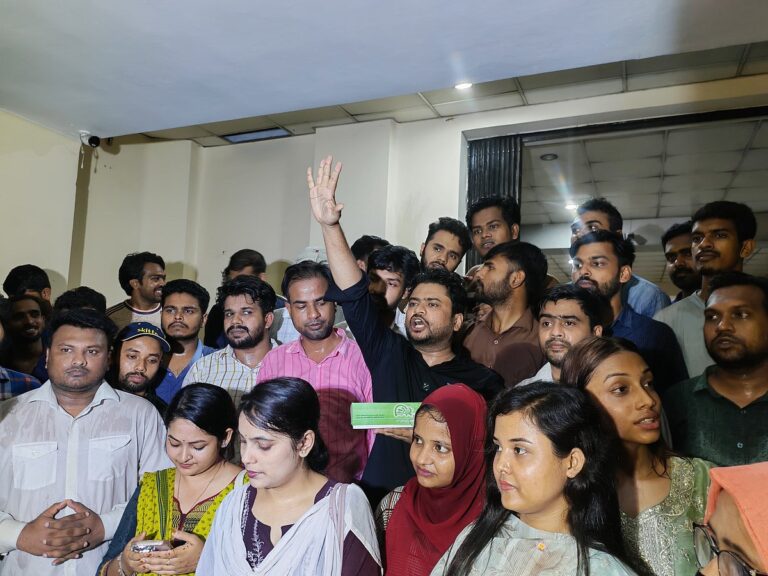
Water Resources Minister Shahid Uddin Chowdhury Anee has called for the inclusion of a “guarantee clause” in any future water-sharing agreement with India regarding the Ganges River, echoing the terms established in the 1977 accord. Speaking at a seminar in Dhaka on Tuesday, the minister emphasized that securing national interests remains a priority as the government prepares for upcoming international discussions, including the Prime Minister’s visit to the United Nations next month.
The seminar, titled “Ganges Water Treaty: Issues for Renegotiation,” was hosted by the Bangladesh Institute of Law and International Affairs (BILIA). Experts at the event argued that the existing 1996 treaty lacks sufficient safeguards, leading to significant water shortages for Bangladesh during the dry season. Minister Anee expressed the government’s willingness to pursue legal avenues in the international arena if necessary to ensure equitable water distribution and protect the nation’s rights.
Professor Asif Nazrul, a former legal advisor to the interim government and a law professor at the University of Dhaka, presented a keynote paper highlighting the structural weaknesses of the 1996 agreement. He noted that while 70 percent of the Ganges basin lies within India, Bangladesh—as a downstream nation—has faced a 6.52 percent decline in its water share under current arrangements. Professor Nazrul cited data showing that between 2008 and 2016, Bangladesh failed to receive its minimum water allotment on 15 occasions during critical periods. He identified the absence of data-sharing mandates, environmental safeguards, and formal dispute resolution mechanisms as fundamental flaws.
Water Resources State Minister Farhad Hossain Azad highlighted the broader crisis facing the nation’s water security, pointing to the declining navigability of 54 major rivers. He urged collective awareness to address the long-term environmental and economic impacts of upstream water diversion.
BILIA Chairman and Dhaka University Law Professor Borhan Uddin Khan concluded the seminar by outlining the essential requirements for a successor treaty. He reiterated the necessity of incorporating a guarantee clause, a robust dispute settlement mechanism, and the institutionalization of the right to information. Experts generally agreed that Bangladesh must enhance its bargaining capacity and leverage international law to secure a more equitable and transparent water-sharing framework.
0%
0%
0%
0%