


Sanjida Khatun and Waheedul Haque: Architecting the Cultural Consciousness of Bangladesh Through Rabindranath Tagore
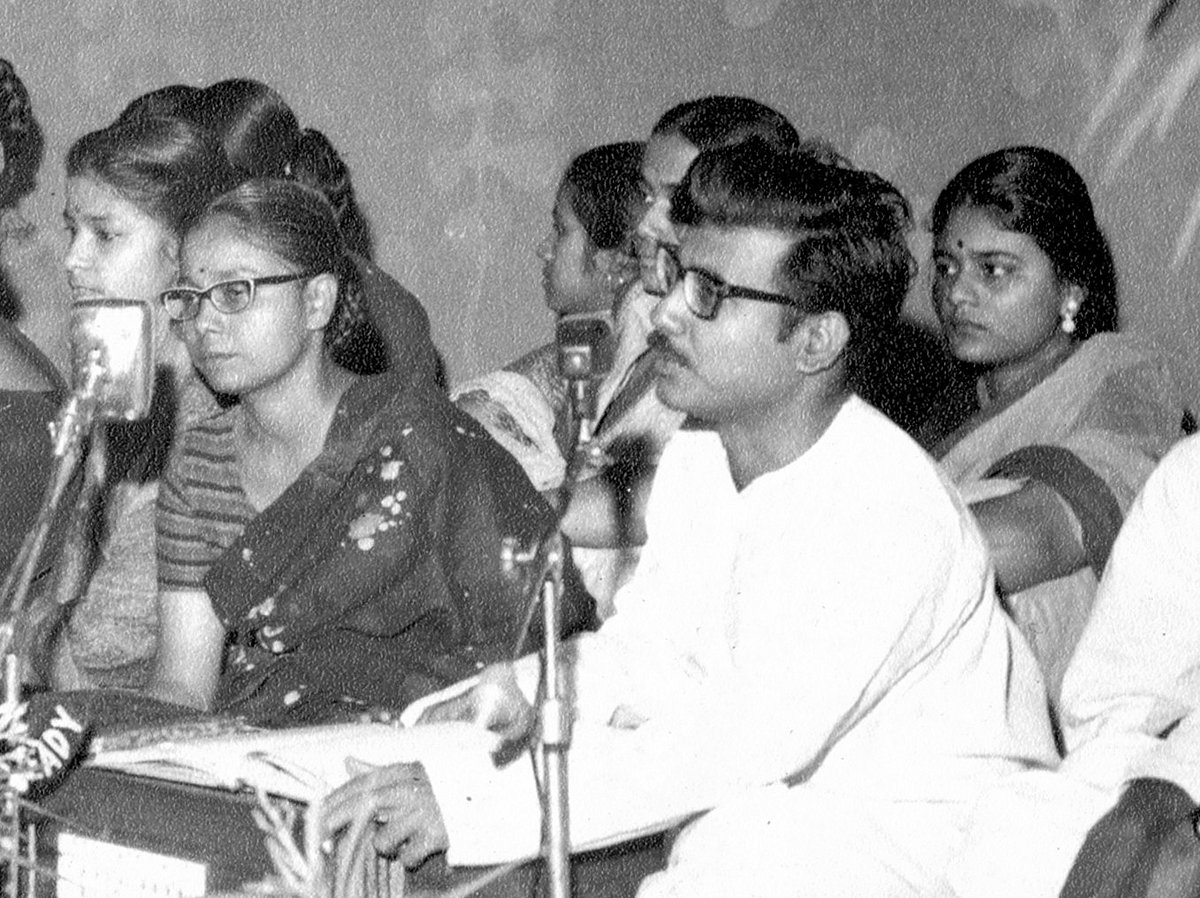
Photo Collected
The intellectual and cultural landscape of Bangladesh owes an immense debt to the collaborative spirit of Sanjida Khatun and Wahidul Haque, two preeminent scholars and musicians whose lives were dedicated to the preservation and propagation of Rabindranath Tagore’s artistic legacy. Residing at their Azimpur Colony residence, the couple transformed their home into a vibrant sanctuary of musical practice and intellectual discourse. Their daily life was marked by the rigorous study of raga-based compositions, where the persistent resonance of the harmonium served as both a creative outlet and a disciplined rebellion against the mundane.
This partnership evolved into the foundational bedrock for Chhayanaut, an organization that remains a pillar of Bengali cultural identity. Driven by the mission to instill courage and pride in their native culture, Khatun and Haque worked tirelessly to bring music and literature into the lives of ordinary citizens. Their home became a nexus for legendary figures such as Shamsur Rahman and Kamrul Hasan, fostering an environment where poetry, art, and societal reflection converged.
While both were deeply influenced by Tagore, their individual approaches to musical expression reflected their distinct artistic temperaments. Wahidul Haque, a journalist by trade but a musician at heart, often leaned into the structural complexities of North Indian classical music, seeking to explore the ragas embedded within Tagore’s works. Conversely, Sanjida Khatun approached the music through the lens of a literary scholar. Her focus remained on the interplay between lyrics and melody, arguing that the true essence of a song lies in the delicate nuances of its phrasing—the subtle breaths, the intentional pauses, and the emotional weight of each syllable.
Despite these methodological differences, the duo maintained a steadfast commitment to the authenticity of the *Swarabitan*—the authoritative notation of Tagore’s songs. They rejected the impulse to alter compositions based on personal whim, asserting that while musical notation provides a structural guide, it is the responsibility of the performer to infuse the work with genuine emotion and interpretive depth.
Their influence extends far beyond the walls of their home. Through their leadership in the National Rabindra Sangeet Sammelan Parishad and their pedagogical contributions at the University of Dhaka, they mentored generations of artists. They were instrumental in institutionalizing the celebration of Pohela Boishakh and utilized music as a powerful tool of resistance and inspiration during the 1971 Liberation War.
Even as their careers spanned decades, their dedication remained undiminished. During the height of the COVID-19 pandemic, Khatun continued to conduct sessions online, ensuring that the study of Tagore’s philosophy remained accessible. Together, Sanjida Khatun and Wahidul Haque did not merely teach music; they cultivated a cultural consciousness, teaching the Bengali people to find the universal humanity, nature, and profound spiritual depth hidden within the lyrics and melodies of the poet laureate. Their legacy remains a testament to the idea that music, when treated with scholarly rigor and emotional sincerity, serves as the most potent medium for collective introspection and social harmony.
0%
0%
0%
0%