
Bangladesh Stalls on UN-Recommended Human Rights and Institutional Reforms
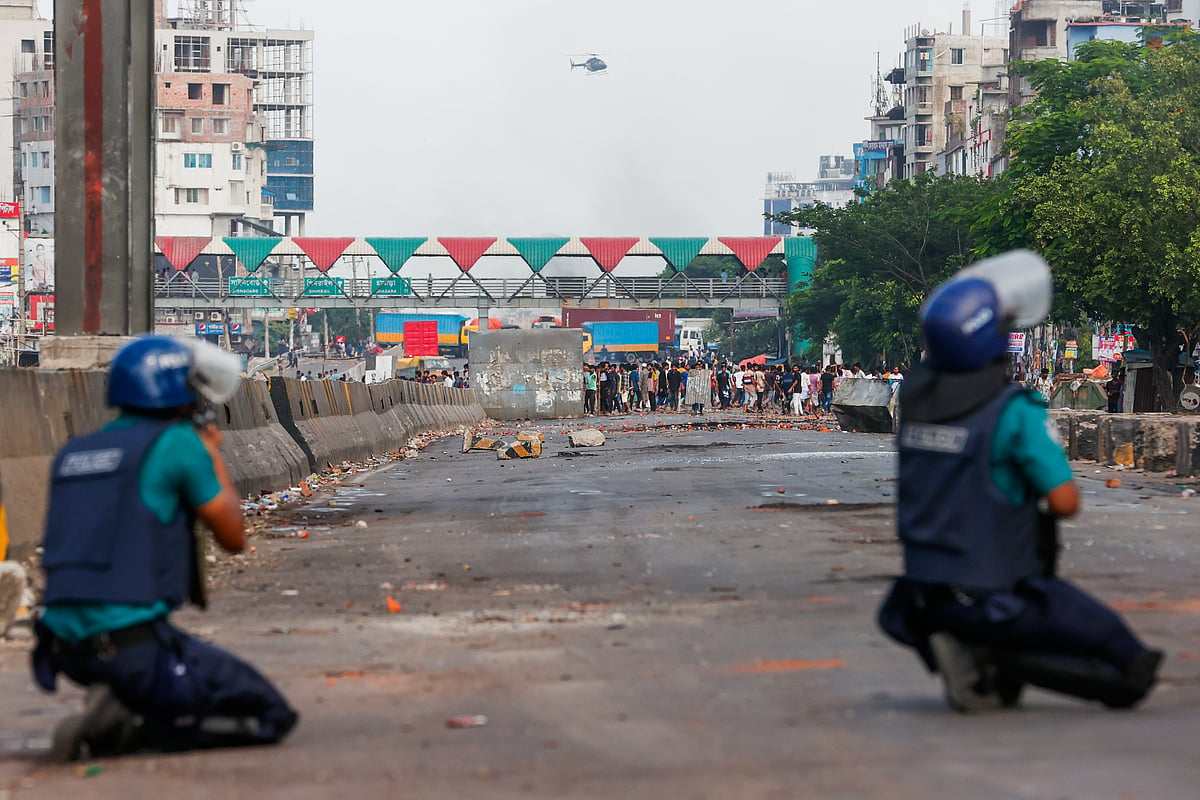
Photo Collected
Bangladesh is falling short of fully implementing the comprehensive recommendations set forth by the Office of the United Nations High Commissioner for Human Rights (OHCHR) following the July 2024 uprising. While the interim government initially launched significant legal and institutional reforms to address past atrocities, the subsequent cancellation or expiration of key ordinances has left the nation’s pursuit of justice and structural reform in a state of uncertainty.
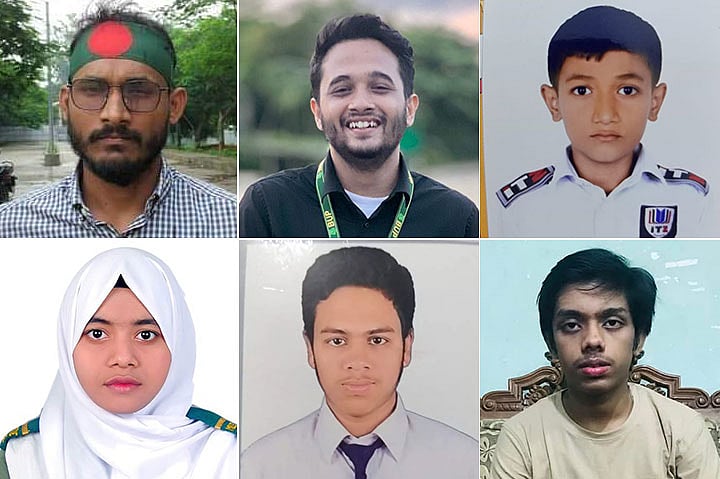
The OHCHR’s February 2025 report documented systemic human rights abuses occurring between July and August 2024, citing evidence of extrajudicial killings, arbitrary detentions, and torture coordinated by the former Awami League administration in conjunction with state security and intelligence agencies. The report estimated that 1,400 people were killed and thousands more injured. In response, the OHCHR urged a robust transitional justice framework to ensure accountability and deep institutional reform to prevent the recurrence of such violence.
Initially, the interim government demonstrated intent to align with these international standards. The National Human Rights Commission Ordinance 2025 was introduced to empower the commission to investigate state officials, including security personnel, without prior government approval. However, this progress was halted when the current administration repealed the ordinance, reverting to the 2009 law, which restricts the commission’s oversight authority. Similarly, administrative moves to reform the judiciary and ensure transparent judicial appointments were abandoned following the cancellation of the Supreme Court Secretariat Ordinance and the Supreme Court Judge Appointment Ordinance.
Accountability for security forces remains a critical point of friction. Recommendations to disband the Rapid Action Battalion (RAB) and restrict the mandates of the Border Guard Bangladesh (BGB) and the Directorate General of Forces Intelligence (DGFI) have largely gone unheeded. Furthermore, the expiration of the Enforced Disappearance (Prevention and Remedy) Ordinance 2025 has left a legal vacuum, removing specialized protections against systemic disappearances and leaving no comprehensive framework to address these crimes outside of the International Crimes Tribunal.
Despite these setbacks, some progress has been maintained. The government has honored the recommendation to prohibit the use of lethal ammunition in crowd control and has upheld amendments to the Labour Ordinance 2025, which enhances rights to freedom of association. Amendments to the Bangladesh Telecommunications Act have also been utilized to address concerns regarding internet shutdowns, though the National Telecommunication Monitoring Centre (NTMC) remains operational despite calls for its dissolution.
The broader agenda of establishing an independent public prosecution system and finalizing a formal transitional justice mechanism remains incomplete, despite recommendations from various reform commissions. Experts express concern that without these structural pillars, the foundational goals of the July uprising—namely justice, accountability, and the establishment of a robust democratic culture—are at risk. As the window for meaningful reform narrows, the disconnect between international recommendations and domestic policy threatens to undermine the very transition that citizens risked their lives to achieve.
0%
0%
0%
0%