
Bangladesh protests India allowing public platform for ousted leader Sheikh Hasina
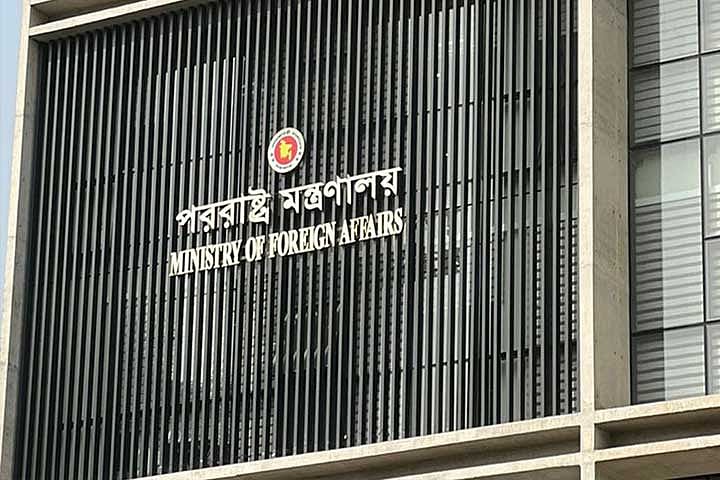
Photo Collected
The Bangladeshi government has formally expressed deep frustration and indignation toward India for permitting former Prime Minister Sheikh Hasina, a fugitive convicted in her home country, to engage in a public media interaction in New Delhi. In a statement issued by the Ministry of Foreign Affairs on Wednesday, Dhaka criticized the event as an affront to Bangladesh’s sovereignty and an insult to the victims of the July uprising.
Officials in Dhaka noted that they had previously communicated concerns to the Indian government regarding the potential negative impact such activities could have on bilateral relations. Despite these warnings, the event proceeded, allowing Hasina and her associates to publicly criticize the Bangladeshi state and its citizenry. The ministry characterized the timing of the interaction—coinciding with the second-month anniversary of the July revolution—as a grave disrespect to those who sacrificed their lives during the uprising.
The government further condemned Hasina’s remarks, labeling attempts to deny the systemic killings of civilians and children during the July-August period as a failed effort to distort historical facts. Bangladesh’s Foreign Ministry asserted that its people remain steadfast in their commitment to preventing a return to the era of fascism and maintaining the nation’s independence from foreign interference, emphasizing that Hasina and her political allies have no future in the country’s political landscape.
While reaffirming its desire for a constructive and mutually beneficial partnership with India based on sovereign equality, mutual respect, and non-interference, Bangladesh underscored that the current situation remains a significant point of contention. The ministry highlighted that despite repeated formal requests to extradite Hasina under the 2013 extradition treaty between the two nations, New Delhi has yet to provide a response.
The ministry concluded that facilitating a platform for a fugitive to engage in public discourse is harmful to the development of amicable bilateral ties and deeply wounds the sentiments of the Bangladeshi people. Dhaka maintains that such gestures undermine the mutual trust required to foster a forward-looking relationship between the two neighbors.
0%
0%
0%
0%