
Chronic Teacher Shortages and Infrastructure Deficits Trigger Enrollment Decline in Chittagong Primary Schools
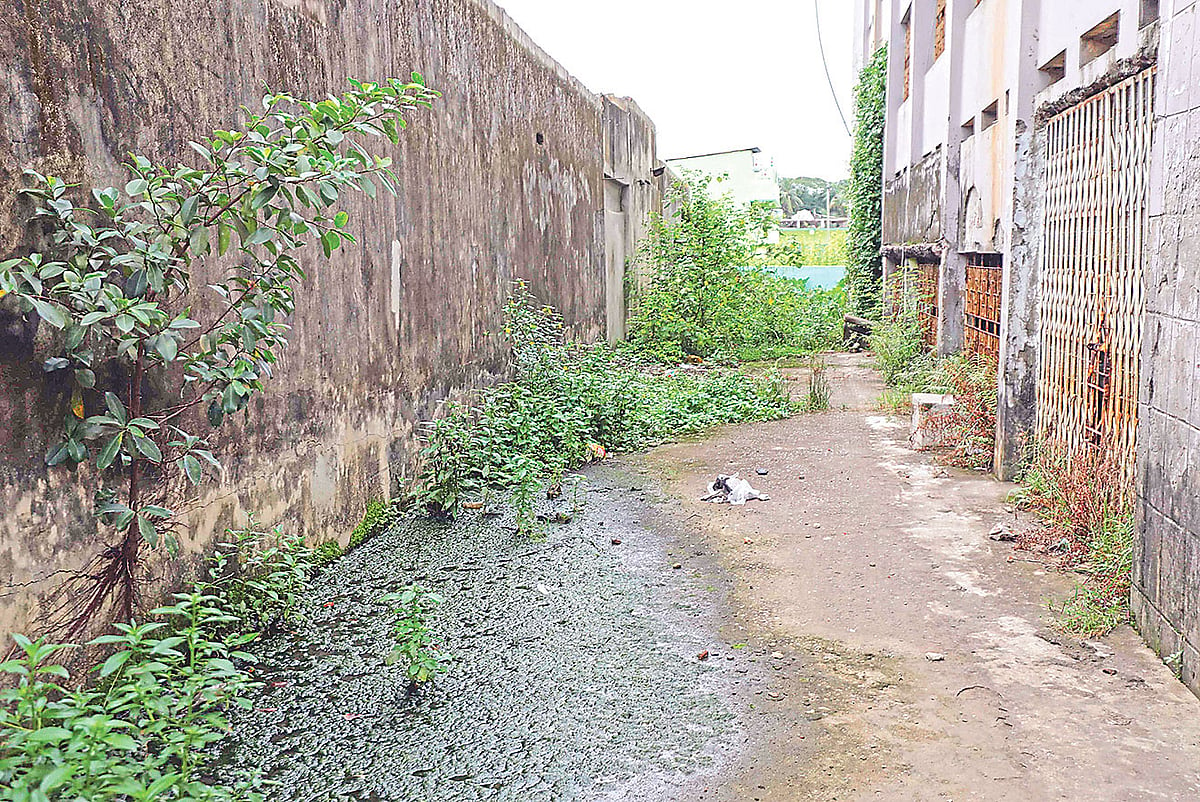
Photo Collected
Public primary education in Bangladesh’s Chittagong district faces a deepening crisis characterized by a sharp decline in student enrollment, crumbling infrastructure, and severe staffing shortages. Recent data from the Integrated Primary Education Management Information System (IPEMIS) reveals that out of 2,269 government primary schools in the region, 824 are operating without a permanent headmaster. Furthermore, a significant number of these institutions are struggling to retain students, with 500 schools currently reporting enrollments of fewer than 100 pupils.
The downturn is reflected in regional education statistics. After dipping to 413,951 students in 2024 from a peak of nearly 488,000 in 2022, enrollment figures remain volatile, standing at 443,447 this year. In some instances, the decline has been absolute; a school in the Laldiar Char area of the city was forced to close entirely after its student population dropped to zero.
Educators, parents, and policy experts attribute this shift to the growing popularity of private institutions and madrassas, which often provide better facilities, financial support, and, in some cases, residential amenities. Parents from lower-income backgrounds frequently cite the lack of consistent quality education and the inability of government schools to provide a conducive learning environment as primary reasons for migrating their children to alternative institutions.
Infrastructure deficiencies further exacerbate the issue. According to IPEMIS records, 500 schools in the district lack playgrounds, and many are housed in dilapidated, high-risk structures. In urban centers like Kotwali and Doublemooring, numerous schools operate without dedicated buildings or adequate space for physical activities. Remote areas face even harsher realities, such as the Gharakata Government Primary School in Fatikchhari, which lacks reliable electricity, mobile connectivity, and access roads, forcing teachers to rely on solar power to operate basic ventilation.
Staffing remains a critical bottleneck across the district. In addition to the hundreds of vacancies for headmasters, 1,108 assistant teacher positions remain unfilled out of 14,287 approved roles. Fatikchhari, the hardest-hit sub-district, currently has 139 vacant headmaster positions, leaving senior assistant teachers to manage administrative duties in acting capacities. District Primary Education Officer Firoz Ahammed acknowledged the urgency of the situation, noting that 526 new assistant teachers are awaiting appointment and that efforts are underway to streamline recruitment and address building maintenance.
However, experts caution that temporary fixes will not suffice. Professor Muhammad Amir Uddin of the University of Chittagong’s Institute of Education and Research emphasized that without robust investment, skilled teaching staff, and modernized infrastructure, the sector will struggle to provide quality education. He argued that the current reliance on technology is ineffective without adequate oversight and a fundamental commitment to prioritizing primary education as the cornerstone of human development.
0%
0%
0%
0%