

LNG Terminal Fire Triggers Severe Gas Shortage in Chittagong
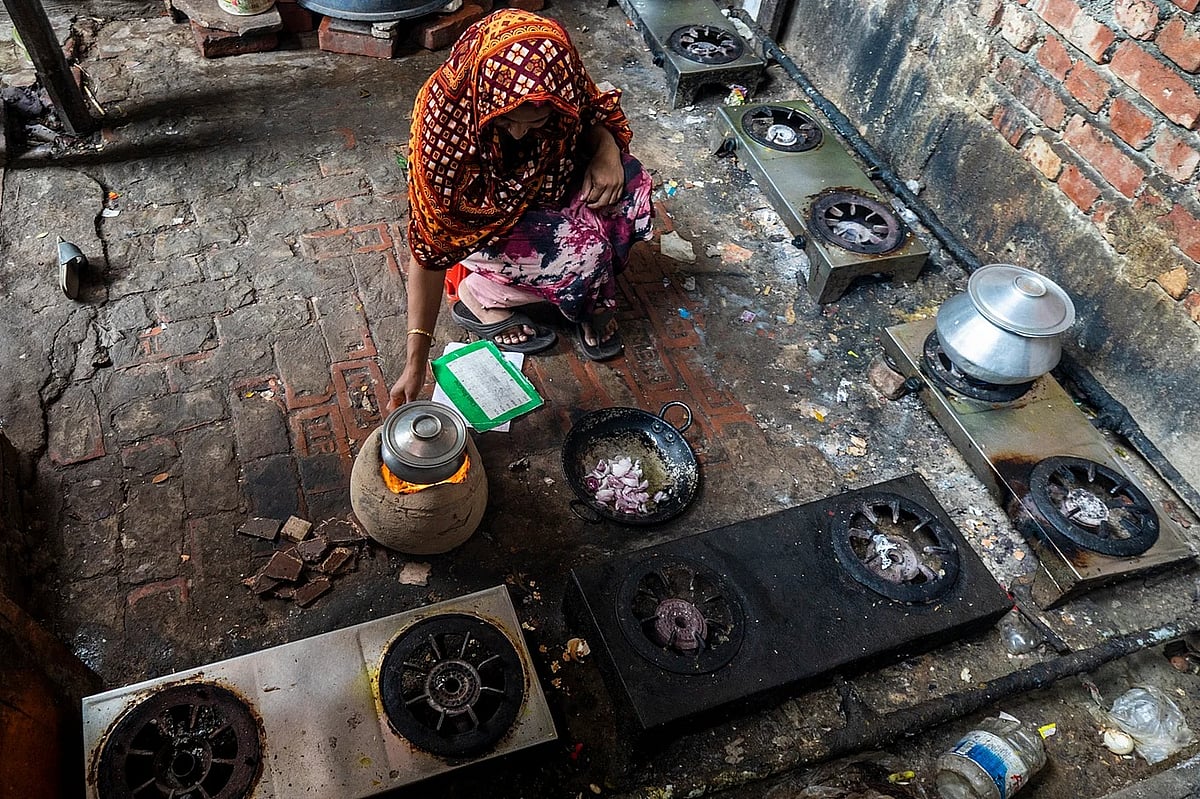
Photo Collected
A severe gas shortage has gripped the port city of Chittagong following a fire at a floating liquefied natural gas (LNG) terminal in Maheshkhali, forcing authorities to curtail supplies to both residential and industrial sectors. With the facility operating well below capacity, residents are enduring lengthy outages and low pressure, while factories report significant disruptions to production.
The crisis stems from an incident on July 21 at an LNG terminal operated by the U.S.-based company Excelerate Energy. According to energy sector reports, the damage caused daily gas supplies to the national grid to plummet from over 1 billion cubic feet to below 500 million cubic feet. Consequently, the Karnaphuli Gas Distribution Company Ltd. (KGDCL) has been forced to ration supply, delivering only 230 million cubic feet against a daily demand of 350 million cubic feet—a deficit of approximately 66 percent.
Residents across Chittagong, including those in Halishahar, Agrabad, and Bahaddarhat, report that gas pressure often vanishes by mid-morning, leaving households unable to cook until late afternoon. Despite the widespread impact, consumers have expressed frustration over a lack of transparent communication, noting that KGDCL has failed to issue official notices or provide guidance on anticipated outages or recovery timelines.
Energy experts point out that Chittagong’s reliance on the two Maheshkhali terminals—operated by Excelerate Energy and Summit LNG—leaves the region uniquely vulnerable to technical failures or extreme weather. Frequent disruptions at these facilities have become a recurring issue, yet infrastructure and contingency planning remain insufficient to mitigate the impact on domestic and industrial consumers.
Petro-Bangla officials indicate that restoration efforts are underway, with foreign technical experts working alongside local engineers to repair the damaged infrastructure. While Excelerate Energy has indicated a full recovery may take until August 10, authorities are currently prioritizing the reactivation of an undamaged boiler within the facility. Officials hope this interim measure will inject an additional 300 million cubic feet of gas into the national grid, potentially easing the acute supply crunch.
Until the terminal is fully operational, energy officials warn that gas rationing will remain in effect. For industrial zones, this means continued pressure reductions, while residential users face a period of uncertainty as they await the restoration of a stable supply.
0%
0%
0%
0%