



Bangladesh NGO Sector Faces Funding Shift Amid Global Economic Realignment
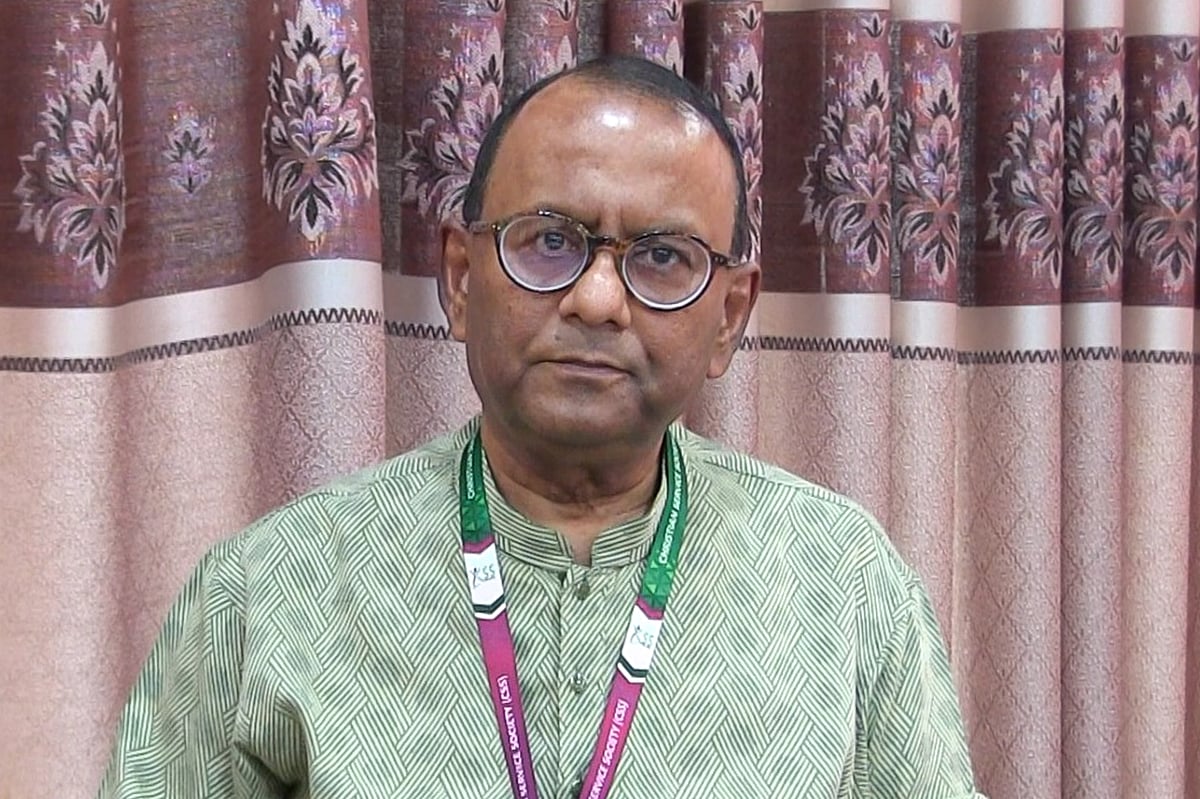
Photo Collected
The Christian Service Society (CSS), a prominent development organization founded in the wake of Bangladesh’s liberation, is navigating a pivotal period of transition as the nation’s NGO sector faces unprecedented funding constraints. Established by Reverend Paul Munshi and currently led by his successor, Reverend Mark Munshi, the Khulna-based organization oversees a expansive network of 222 branches across 29 districts, supporting approximately 350,000 microfinance members.
According to Reverend Mark Munshi, the NGO sector in Bangladesh is contending with a fundamental shift in global priorities. As traditional development funding—once prioritized for education, health, and poverty alleviation—is redirected toward humanitarian crises in Ukraine, the Middle East, and Sudan, the landscape for local organizations has grown increasingly competitive. This shift is compounded by Bangladesh’s transition from the least-developed country (LDC) category, which has fundamentally altered how international donors assess and allocate resources.
Despite the withdrawal or reduction of support from key international agencies, Reverend Munshi maintains that international cooperation is not disappearing, but rather evolving. He notes that donors are increasingly moving away from purely project-based funding, instead prioritizing organizational sustainability, local legitimacy, and long-term impact. Consequently, he advocates for a diversified funding model, urging NGOs to pivot toward corporate partnerships, government collaboration, and domestic resource mobilization rather than relying solely on foreign grants.
Addressing the critical issue of climate justice, the CSS executive director underscored that international climate financing remains significantly below the level required to mitigate the disproportionate impacts faced by a nation responsible for minimal global greenhouse gas emissions. He argues that climate funding must be viewed as an issue of justice rather than benevolence, emphasizing that resources are currently not reaching the most vulnerable communities effectively.
To bridge this gap, Reverend Munshi calls for an increase in investment toward local adaptation efforts, greater transparency in funding mechanisms, and the direct channeling of resources to grassroots organizations and local governments. He emphasizes that climate solutions cannot be developed in isolation; rather, they require a robust synergy between government policy, research-backed data, and the ground-level experience of local NGOs.
While the organization historically gained recognition for its early pioneering work in climate-resilient agriculture, it has since expanded its mandate to include healthcare, entrepreneurship, and skill development. Looking toward the future, Reverend Munshi affirmed that CSS intends to intensify its focus on climate adaptation, disaster risk reduction, and the promotion of renewable energy, asserting that building human capacity is just as vital as physical infrastructure in securing the nation’s resilience.
0%
0%
0%
0%