
Two Years After Bangladesh Uprising, Faces of Protest Express Growing Disillusionment
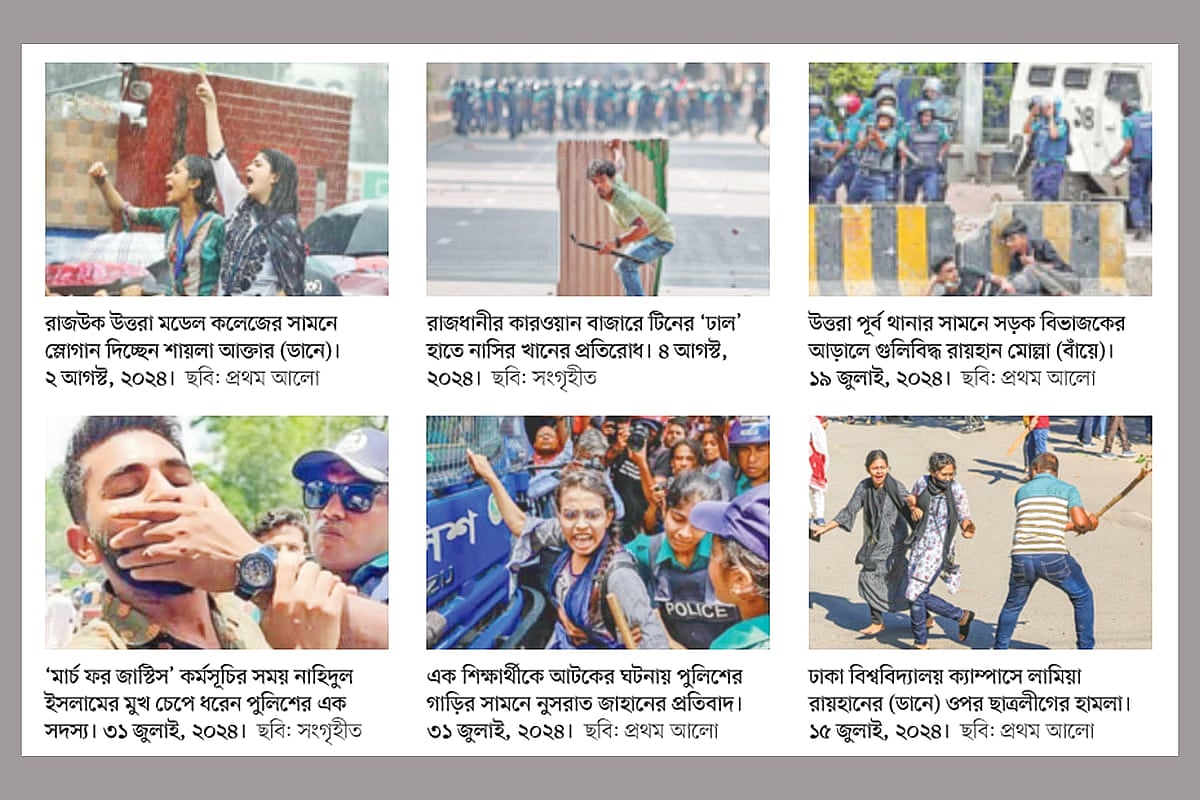
Photo Collected
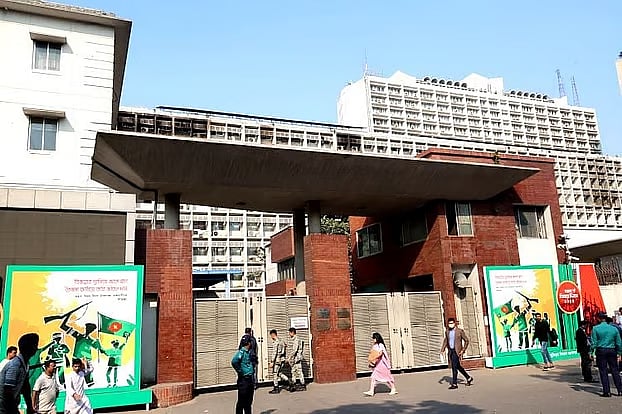
Two years after the July mass uprising that reshaped the nation’s political landscape, the faces that once served as symbols of defiance have largely returned to the quiet rhythms of everyday life. These individuals, who stood as iconic figures of resistance—some braving police gunfire, others recovering from critical injuries, and some carrying the bodies of fallen siblings through protest lines—now find themselves grappling with the aftermath of the movement they helped ignite.
While their physical scars have begun to fade and their personal routines have resumed, their reflections on the post-uprising landscape remain marked by a shared sense of disillusionment. In interviews reflecting on the current state of affairs, these former frontline activists expressed a collective frustration, suggesting that the systemic changes for which they risked their lives have yet to materialize in the manner they had envisioned during the height of the turmoil.
বিজ্ঞাপন
The transition from the fervor of the barricades to the realities of a post-revolutionary society has left many of these protagonists questioning the trajectory of the nation. Despite their pivotal role in the historic upheaval, they now view the current socio-political environment with skepticism, citing a persistent gap between the promises of the movement and the complexities of governance that followed.
0%
0%
0%
0%