


Bangladeshi entrepreneur Rafi Hossain’s Fasat received an investment of 50 million dollars
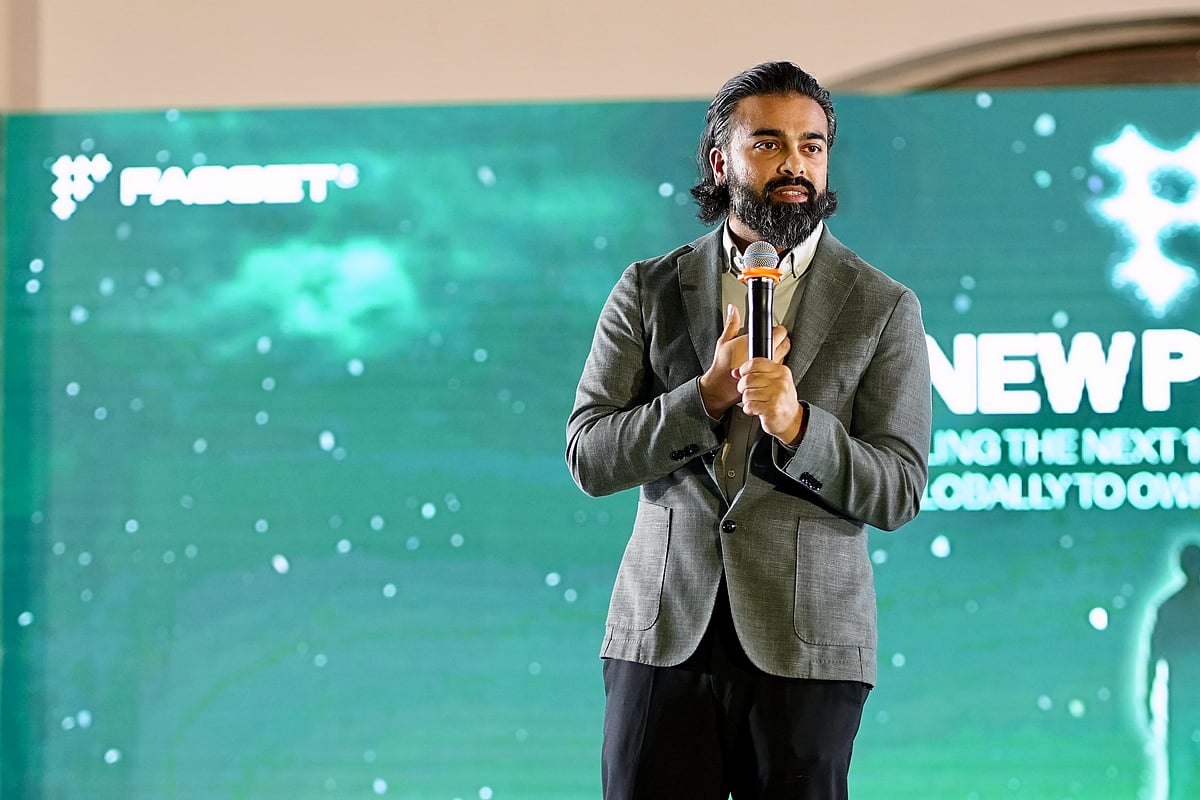
Photo Collected
Shariah-compliant digital bank ‘Facet’ is leading the growing trend of fintech institutions building banking and payment services based on blockchain infrastructure. Facet, a digital bank led by Bangladeshi-born entrepreneur Mohammad Rafi Hossain, has raised $51 million to expand its stablecoin-powered banking platform.
Facet is currently one of the most talked-about names among fintech companies that are building financial services on blockchain infrastructure, leaving traditional payment networks. Before this, no Bangladeshi entrepreneur has received such a large investment in the global neobanking and cross-border payment sector.
বিজ্ঞাপন
Rafi noticed one thing in both the public and private sector—there is no dearth of talent in developing countries. But the financial system needed to utilize that talent is still not strong. That system has high transaction costs, slow speeds and weak connections to the global digital economy.
International payment facilities in Bangladesh are still very limited. A global platform like PayPal has yet to enter this market. As a result, freelancers, remote workers and small businesses have to go through additional costs and complex processes to collect money from foreign clients. Facet’s blockchain-based infrastructure is able to reduce this barrier. As a result, it will be easier for Bangladeshis to receive international payments and the country’s freelancers and entrepreneurs will be able to participate more directly in the global economy.
বিজ্ঞাপন
The Los Angeles-based company said on May 15 that Japan’s SBI Group, Investcorp and Turkey’s asset management company Arz Portfoy have invested in the Series B round.
Facet operates banking and payment platforms in over 50 corridors across Asia, Africa and the Middle East. The company uses stablecoins to send money across borders faster and cheaper than conventional banking systems.
Fassett plans to use the new funding to expand its own infrastructure for stablecoin payments and custody, its ‘Own Network’, and to enter new markets, developing lending and trade finance products for small businesses.
Facet has built their entire banking and payment services on blockchain and stablecoins. This approach is now rapidly becoming popular in global finance. From remittances, treasury management to international trade, stablecoins are now gaining ground as an alternative. This is because cross-border transactions in developing countries are slow and expensive in traditional correspondent banking systems. Blockchain-based payments reduce that dependency. The world’s biggest fintech companies are using this opportunity.
Just last month, business banking firm Slash received a $100 million investment, valuing it at $1.4 billion. The company also launched a stablecoin in conjunction with Stripe’s Bridge, making it faster and more affordable to send and receive money for international businesses.
Fasett’s annual turnover exceeded $32 billion last year. More than 1000 small and medium enterprises worldwide are using this platform. Recently, the world’s largest stablecoin US Dollar Tether (USDT) has jointly launched the world’s first gold-backed neobanking card with Tether Limited.
Mohammad Rafi Hossain, chief executive and co-founder of Fasset, said, ‘We are building Fasset for a world where information crosses borders, so does money. This funding round will further strengthen our ability to build regulated banking services and reach markets where our services are most needed.”
Rafi Hussain studied Environmental Economics and Sustainable Development at University of California Berkeley and Harvard University. After graduation, worked in various countries of Middle East and North Africa on economic development. Also worked as a consultant in the office of the former Prime Minister of the United Arab Emirates.
0%
0%
0%
0%