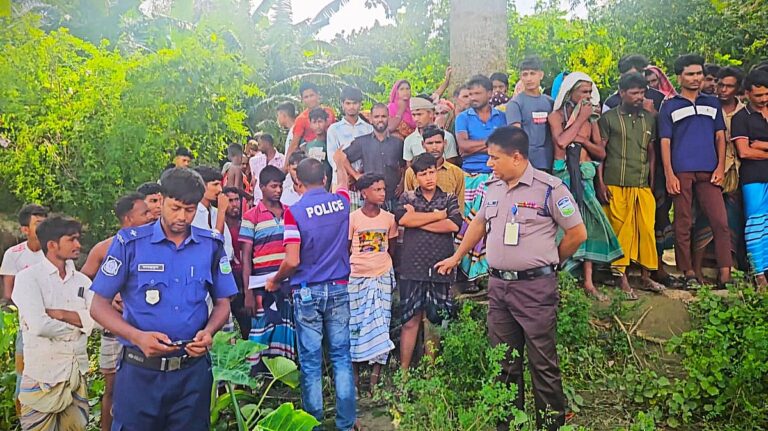

Severe traffic congestion plagues Dhaka-Sylhet highway at Sarail junction despite lane expansion
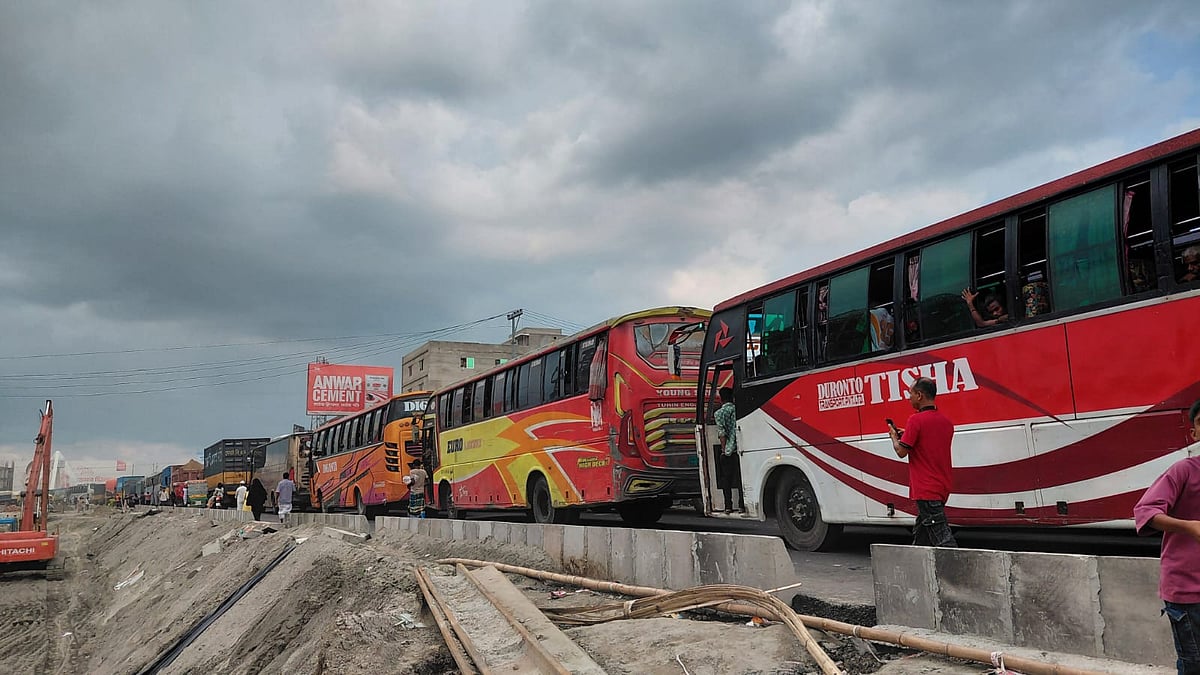
Photo Collected
A severe traffic congestion has crippled a 12-kilometer stretch of the Dhaka-Sylhet highway near Brahmanbaria’s Sarail Bishwaroad intersection since Friday morning, leaving motorists and passengers stranded for hours. The gridlock extends from Beratola through the Bishwaroad and Kuttapara intersections to Bariura, with some vehicles forced to wait up to five hours just to pass the junction.
Despite the opening of a new lane for Sylhet, Cumilla, and Chattogram-bound traffic on Wednesday afternoon, the congestion persists. Observers and officials attribute the ongoing gridlock to the sluggish pace of the ongoing four-lane expansion project, poor traffic management, and the failure of drivers to adhere to road regulations.
Prior to Wednesday, construction work had restricted movement to a single lane for all Dhaka-Sylhet and Chattogram-bound traffic, making delays a daily occurrence. While commuters initially hoped the new lane would alleviate the bottleneck, the situation remains dire, particularly on the weekend. Drivers reported that navigating even a five-kilometer stretch could take upwards of three hours.
The Sarail Bishwaroad intersection serves as a critical transit hub connecting the Dhaka-Sylhet and Chattogram-Cumilla-Sylhet highways. The area lacks adequate infrastructure for commuters, including proper footpaths, exacerbating the struggle for vulnerable travelers, including women, children, and students, many of whom were seen abandoning vehicles to travel on foot.
Abdul Halim, an inspector at the Sarail Khatihata Highway Police Station, noted that while authorities expected the opening of the second lane to resolve the issue, non-compliance among drivers continues to hamper traffic flow.
The four-lane expansion project, which began approximately eight years ago, was initially designed to upgrade the highway from Ashuganj river port through Sarail Bishwaroad to the Akhaura land port to facilitate transit. The project has been plagued by chronic delays and, more recently, intermittent work stoppages following the political transition in August 2024. For the past 18 to 24 months, traffic bottlenecks along this 10 to 15-kilometer segment have become a recurring regional crisis.
0%
0%
0%
0%