Italy Moves to Ban Burqa in Schools and Cap Foreign Student Enrollment Ahead of Elections
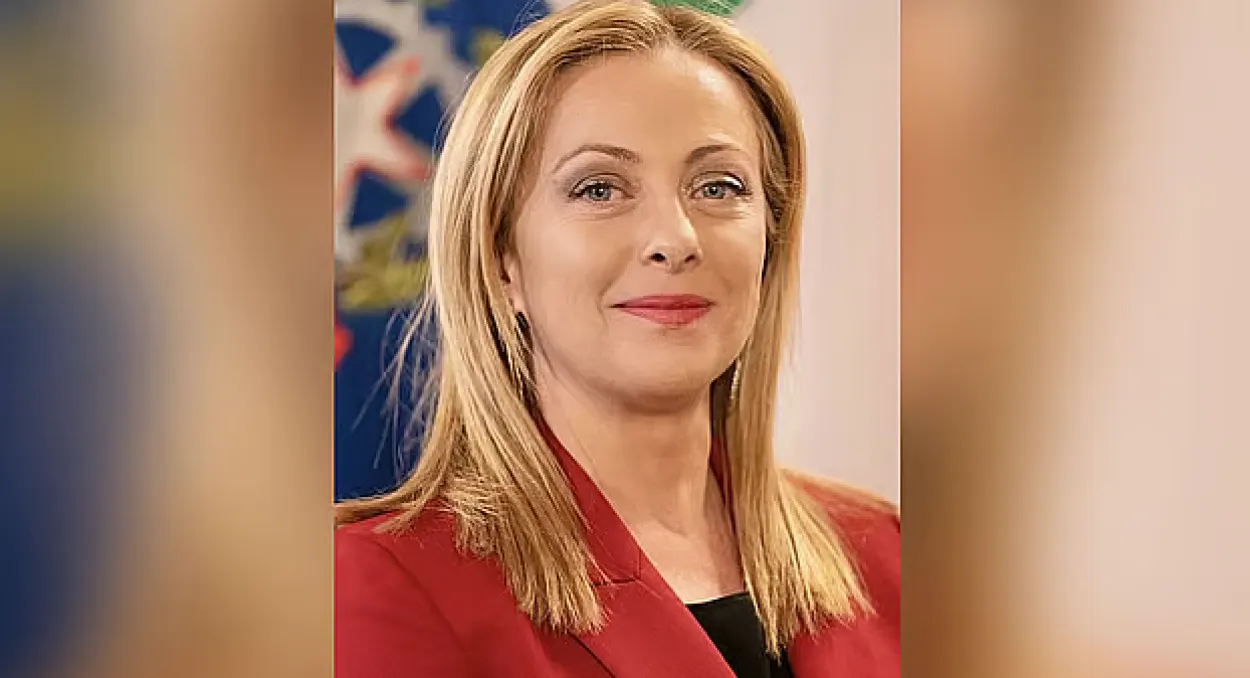
Photo: Collected
Italian Prime Minister Giorgia Meloni announced plans to ban burqas and niqabs in schools, alongside introducing strict caps on the number of foreign students permitted in individual classrooms.
Speaking on Sunday at a youth wing rally for her Brothers of Italy party, Prime Minister Meloni stated that a formal legislative proposal will soon be submitted to the cabinet. The measure aims to legally regulate the maximum threshold of foreign students per classroom.
The proposed legislation also stipulates that parents of foreign students experiencing significant integration difficulties will be mandated to learn the Italian language.
The policy shift comes as immigrant integration into mainstream society emerges as a central campaign issue ahead of general elections scheduled for next year in Italy, a primary transit nation for migrants entering Europe. The political landscape has grown increasingly competitive following the rise of the ultra-right National Future party, which does not belong to the ruling coalition but has gained momentum in opinion polls since its establishment in February.
While Italian law currently lacks an explicit, direct ban on full-face veils in schools or public spaces, a 1975 statute prohibits garments or helmets that conceal the face or identity without a valid reason. A 2008 supreme administrative court ruling later clarified that full-face garments worn for religious or cultural reasons are permissible, provided the face can be uncovered for identification purposes. Additionally, Meloni’s coalition ally, the anti-immigration League party, introduced a Senate bill earlier this year proposing a total ban on face-covering clothing and helmets outside of specific venues like sports events and places of worship.
Regarding classroom demographics, Italy already enforces regulations limiting foreign student enrollment. According to the National Institute of Statistics, foreign nationals account for approximately 12 percent of the student population in Italian schools. Since 2010, regulations have capped foreign student representation at a maximum of 30 percent per class and school. While this quota can be elevated for foreign students who demonstrate adequate language proficiency—such as those born in Italy—the threshold can be reduced further if language skills are deemed insufficient. Meloni did not specify what exact modifications will be made to the existing framework.