
Iran Proposes Ceasefire Terms to US Through Qatar Amid Regional Tensions
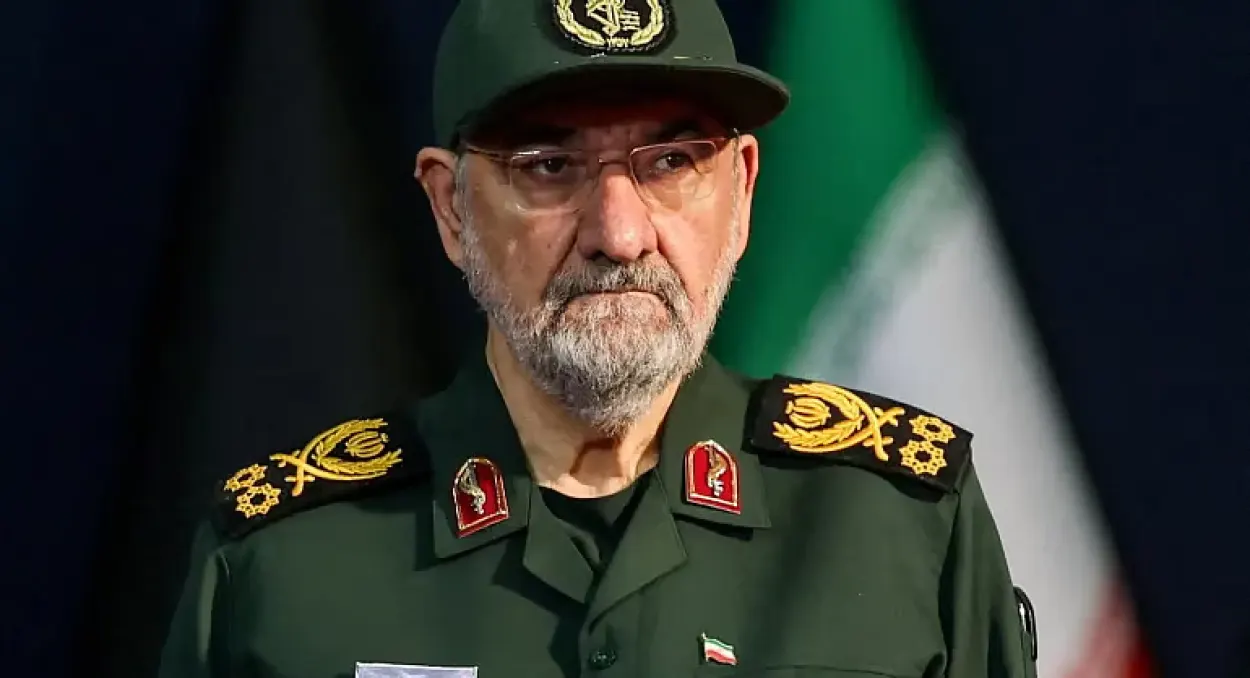
Photo: Collected
Iran has officially submitted a set of conditions to Washington through Qatari mediation in a bid to end the ongoing conflict with the United States, according to a senior Iranian security official.
Mohsen Rezaei, who assumed office as the secretary of Iran's Supreme National Security Council roughly a month ago, disclosed the developments during a special interview in Tehran with Al Jazeera's bureau chief, Nour Eddine Edghiri. Rezaei stated that communication remains active with Qatari mediators who have relayed Tehran's terms to Washington, adding that they are now awaiting a response from President Donald Trump.
The outlined conditions require a comprehensive cessation of hostilities across all fronts, the release of frozen Iranian funds, and the immediate lifting of the naval blockade, Rezaei said. He emphasized that accepting these terms is crucial for Washington's own interests, warning that threats from Trump will not work and asserting that Iran remains prepared for a total war.
The current conflict erupted following joint US-Israeli strikes in late February that resulted in the death of Supreme Leader Ayatollah Ali Khamenei. Last month marked the expiration of a memorandum of understanding between the two sides, prompting Qatar, Pakistan, and other regional nations to push for a return to the negotiating table.
While not ruling out the possibility of a renewed US military assault on Iran—noting that military assessments point to a strong probability of such attacks—Rezaei maintained that Tehran is fully prepared. He revealed that following two previous rounds of conflict, Iran has overhauled its military strategy, shifting its primary focus toward the US Navy across the Persian Gulf, the Gulf of Oman, and the Arabian Sea, though targets toward the Indian Ocean remain outside their current scope.
Highlighting recent military advancements, Rezaei noted that Iran recently tested anti-ship missiles equipped with multiple warheads near US aircraft carriers and warships, with plans for further technological improvements. He delivered a stern warning that any future Iranian retaliation will be significantly more severe, extending beyond traditional US military bases in the region to target local American commercial interests and corporations.
Asked whether the war is nearing a swift conclusion, Rezaei remarked that the conflict is realistically still ongoing, though he stressed that Tehran is pursuing a new strategy to bring it to an end as quickly as possible.
Reporting from Tehran, Al Jazeera's Tawhid Asadi noted that Rezaei's remarks reflect Iran's dual-track messaging throughout the conflict, simultaneously keeping diplomatic channels open while maintaining full-scale military preparations.
Meanwhile, David Des Roches, a former Pentagon director for Arabian Peninsula affairs, told Al Jazeera that Washington is unlikely to view these conditions as a serious starting point for negotiations. He suggested that initial impressions in Washington might dismiss the terms as a form of Iranian capitulation. However, Des Roches pointed out a notable shift in Tehran's stance, observing that Iran has dropped its previous demand for war reparations, which stands out as the most prominent change in their negotiating position.