Global Bamboo Day Highlights Plant Role in Climate Action and Sustainability
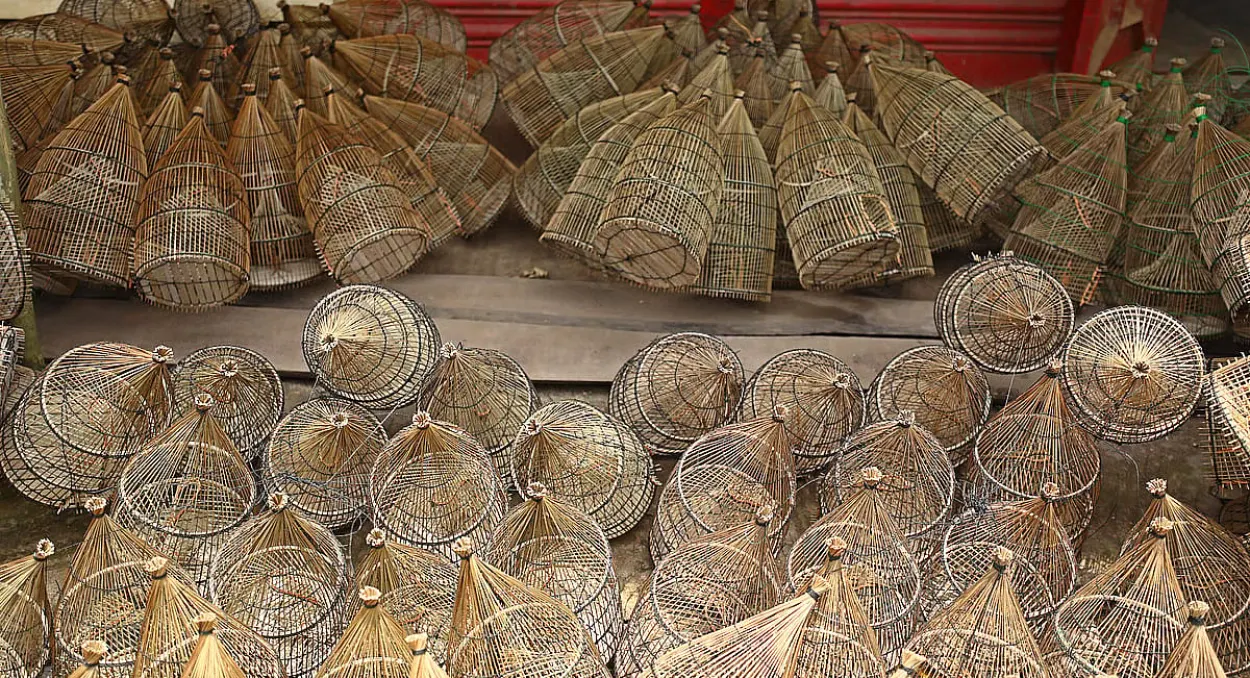
Photo: Collected
World Bamboo Day is observed annually on September 18 to raise global awareness about the versatile plant, which serves vital roles in cottage industries, construction, musical instruments, and cuisine. Established in 2010, the initiative aims to highlight the benefits of bamboo, which holds a deeply symbolic status of resilience, strength, and integrity in Chinese culture, contrasting with regional colloquial idioms.
The World Bamboo Organization spearheads the observance to spotlight bamboo as a strategic resource for combating climate change, restoring ecosystems, and fostering sustainable development. The origin of World Bamboo Day traces back to the eighth World Bamboo Congress held in Bangkok, Thailand, in 2009, with support from the Royal Forest Department. The congress series first began in Puerto Rico in 1984, eventually leading to the formation of the International Bamboo Association in Japan in 1992, which transitioned into the World Bamboo Organization during the sixth congress in New Delhi in 2004.
While not an official United Nations observance, the day is marked globally through tree planting, workshops, exhibitions, and research initiatives. The focal message for the observance emphasizes the theme Bamboo Beyond Borders, extending its utility from rural landscapes to modern architecture, economic growth, and industrial applications.
Scientific research continues to evaluate bamboo's ecological impacts. A 2024 study on earth preservation and wastewater treatment noted that bamboo's dense network of underground roots helps mitigate soil erosion and filter harmful pollutants as water flows through, though effects vary by species and environmental management.
At the same time, experts urge caution regarding carbon sequestration claims. A 2025 review published in Environmental Reviews by Suman Dutta and co-authors highlights that while bamboo absorbs atmospheric carbon, harvesting and burning it can release that stored carbon back into the atmosphere. Consequently, researchers emphasize that bamboo's climate benefits depend heavily on production, harvesting, processing, and utilization practices, underscoring the need for further scientific study.