
Australia Imposes Strict Visa Curbs Amid Housing Crisis Sparking Student Protests And Anxiety
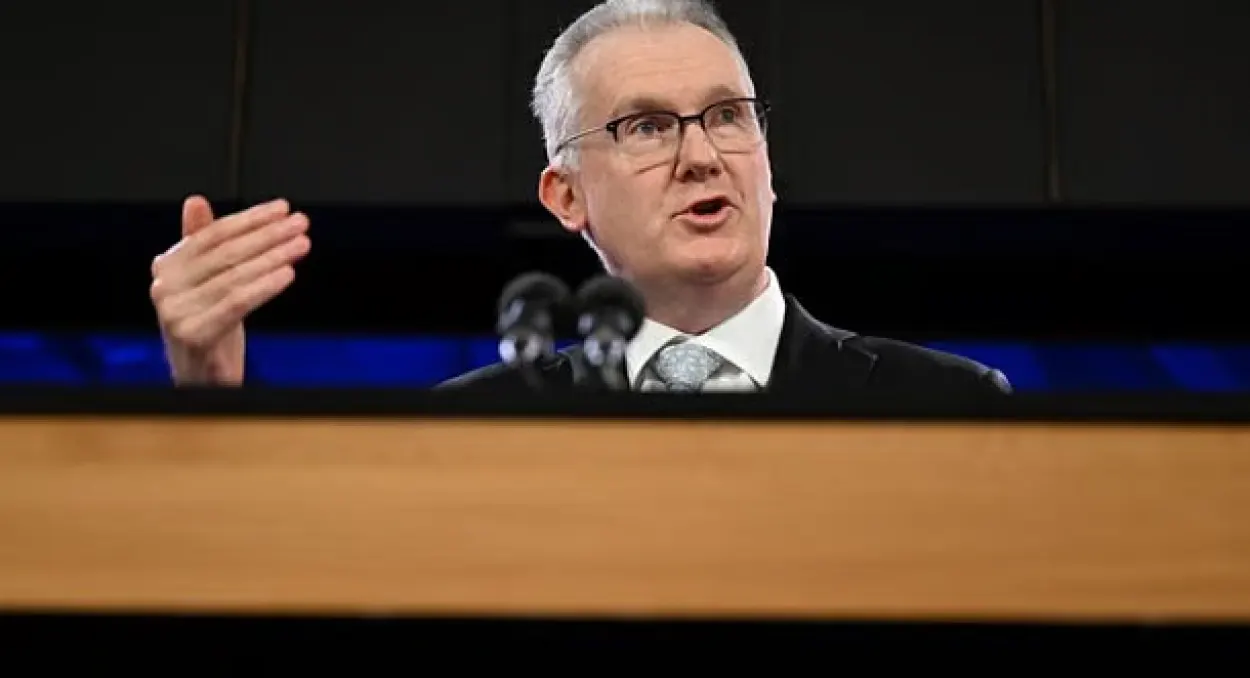
Photo: Collected
Australia has introduced sweeping crackdowns on its immigration policy, closing pathways for international students to switch visas onshore, restricting family dependent arrivals, and tightening tourist visa regulations to combat severe domestic housing shortages and escalating living costs.
Minister for Home Affairs and Immigration Tony Burke outlined the new framework during an address titled Managing the Migration Program: Who Comes, Who Stays, Who Leaves at the National Press Club in Canberra. The policy shift comes as Prime Minister Anthony Albanese's Labor government faces intense political pressure over the country's housing crisis, though university authorities have warned the measures could severely damage the international education sector.
Under the updated framework, Australia aims to reduce net overseas migration to 245,000 in the 2026-27 financial year, with a further reduction target of 225,000 in subsequent years. According to recent Australian Bureau of Statistics data, net migration fell to 292,100 for the year leading up to March, marking the lowest level since mid-2022.
The reforms specifically target visa hopping—where temporary visa holders enroll in lower-level courses or continuously shift visas to prolong their stay. Furthermore, the policy restricts international students from bringing family members, though exemptions apply to current students, applicants from Pacific and Southeast Asian nations, and PhD candidates.
To prevent visitors from extending their stays, tourist visas will now feature no further stay conditions, effectively blocking visitors from applying for alternative visas onshore. Authorities are also strengthening surveillance and legal measures to enforce rapid departures for individuals whose visas have expired. Additionally, a lottery system will be introduced for second and third-year approvals under working holiday visas for the agriculture and services sectors, while skilled migration will prioritize labor-shortage areas such as construction, healthcare, and agriculture.
The policy also grants immigration officials special powers to swiftly cancel visas and deport individuals involved in violence against children, domestic abuse, or hate crimes. Minister Burke emphasized that while individuals contributing honestly to the economy and society are welcome, exploiting loopholes within the migration system will no longer be tolerated.
The announcement sparked immediate protests, with thousands of university and high school students boycotting classes and taking to the streets in major cities including Sydney, Melbourne, and Brisbane to voice their anger. Hyde Park in Sydney served as a major focal point for the demonstrations.
The policy changes have also triggered deep anxiety among international students from countries including Bangladesh. A Bangladeshi student residing in Denham Court, Sydney, stated that paying substantial tuition fees to study legally only to face abrupt rule changes and halted visa pathways leaves their future in extreme uncertainty. Another student from Lakemba echoed these concerns, describing the decision as a severe blow to temporary visa holders working tirelessly to build a future, warning that the shifts could force unexpected returns to their home countries.