Yemeni Government Forces Launch Airstrikes as Houthi Advance Threatens Strategic Marib Stronghold

Photo: Collected
Fierce clashes are intensifying in Yemen between government forces and Iran-backed Houthi rebels, prompting government airstrikes to halt the insurgent advance as fighting over the strategic energy hub of Marib reaches a critical juncture.
Over the past week, Houthi fighters have expanded their territorial control into areas held by government forces. The epicenter of the conflict is now centered around Marib, the government's last major stronghold in northern Yemen and the nation's vital oil and gas center. Analysts warn that a Houthi takeover of Marib could decisively shift the trajectory of the war in their favor.
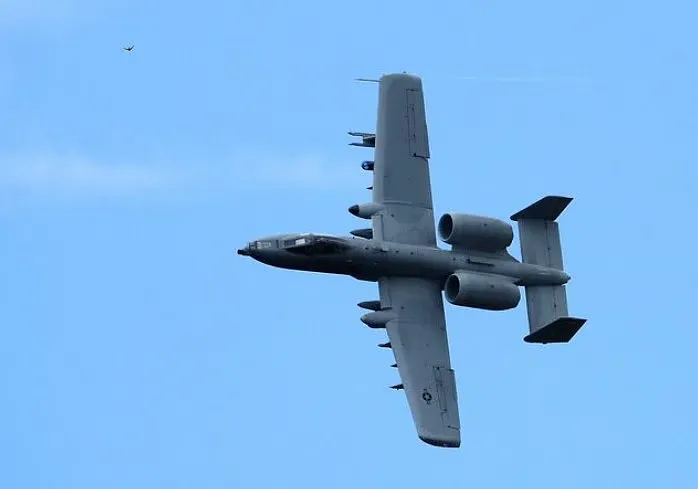
Intense combat is also underway along the western coast in Taiz, where Houthi rebels seized several areas in the western districts last week. Saudi-backed forces are currently launching counterattacks to regain control of those sectors. On Monday, the Yemeni military released footage claiming to show airstrikes targeting Houthi positions and vehicles.
The escalating violence has trapped thousands of civilians. The International Organization for Migration reported that more than 85,000 people have been forced to flee their homes in Yemen since the beginning of September, with over 2,000 seeking refuge on the northern coast of Djibouti.
Marib represents the final major bastion against the Houthis in northern Yemen. Beyond threatening the government's military presence and diminishing its influence in the north, Marib holds the country's largest oil and gas fields. The faction that secures Marib will control critical energy infrastructure and a major potential source of revenue.
Saddam al-Huraibi, a Yemeni political analyst, told Al Jazeera that the Houthis have fought for over a decade to establish control over Marib's oil and gas resources and will continue fighting to achieve this goal unless they face a major defeat in the region. Should the Houthis capture Marib, the group would gain substantial leverage to dictate favorable terms in any future mediation efforts.
Adam Baron, a fellow at the New America research institution's Future Security Program, noted that a Houthi takeover of Marib would mark a pivotal turning point in Yemen's domestic political and military landscape. However, Baron emphasized that the battle will be grueling, as government forces view the conflict as an existential struggle. Losing Marib would spell a catastrophic defeat for troops loyal to the internationally recognized government.
Geographically, Marib serves as a vital gateway, housing the easiest roadways connecting northern Yemen to the southern administrative regions of Shabwa and Al-Mahra, the latter of which borders the Gulf of Aden and the Arabian Sea.
Yemeni writer and human rights activist Nabil Hetari pointed out that victory in Marib would serve as a powerful propaganda tool for the Houthis, allowing them to convince many Yemenis that the group is securing continuous military success and stands on the brink of broader victories.
The humanitarian toll remains severe. Ever since Houthi rebels seized the capital Sanaa in 2014, displaced populations have sought refuge in Marib city for years. According to 2023 IOM data, approximately 2.8 million people are internally displaced across Yemen, with more than half of them, or 58 percent, currently sheltered in Marib.