US Congress Passes Landmark Sanctions Bill Targeting Russia and Iran Awaiting Trump Signature
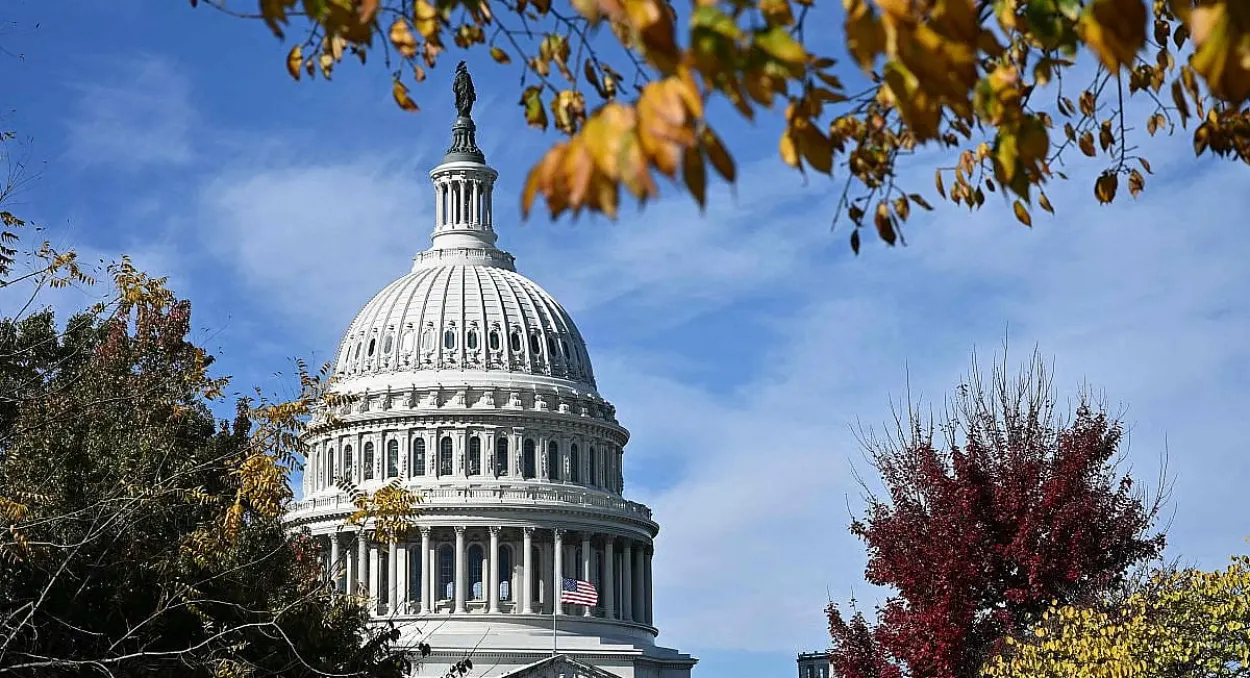
Photo: Collected
The United States House of Representatives on Wednesday passed a crucial bill aimed at imposing sweeping sanctions on Russia and Iran, sending the legislation to President Donald Trump for his signature. According to a report by NDTV, President Trump is expected to sign the bill into law.
The legislation passed the House with a vote of 262 to 159. Last month, the 61-page bill cleared the Senate, the upper chamber of Congress, by an 86-11 vote. Named the Lindsay O. Graham Sanctioning Russia and Iran Act of 2026 in honor of the late Senator Lindsey Graham, the measure had been a key initiative championed by Graham before his sudden death last July.
The primary objective of the bill is to drastically curtail Russia's revenue sources to cut off Moscow's financial backing for its ongoing war in Ukraine, which escalated into a full-scale invasion in 2022. The legislation specifically targets the Russian energy sector, granting the US president the authority to penalize major buyers of Russian oil and gas and impose tariffs on imported goods from these nations, which could include China and India.
The Center for Strategic and International Studies (CSIS), a non-partisan research institution, noted that the most significant aspect of the law is the provision allowing the US to levy tariffs of up to 100 percent on third-party nations that purchase substantial amounts of Russian energy. The legislation does include exemptions for countries that take notable steps to reduce their reliance on Russian energy and whose imports constitute less than 15 percent of Russia's annual natural gas exports, according to CSIS.
The Atlantic Council, a US-based policy research organization, stated that if China continues purchasing oil from Russia, the bill would empower the Trump administration to impose up to 100 percent tariffs on Chinese imports on national security grounds, forcing Beijing to curtail its energy imports from Moscow. Furthermore, the sanctions package extends to Russian government officials, oligarchs, their family members, and Russian financial institutions.
At President Trump's request, the package also expands his authority to impose sanctions aimed at choking off funding for Iran's arms and energy sectors.
Despite the bill's passage, several top Democratic members of the House criticized the legislation, expressing concerns that it grants the president sweeping tariff-making powers that could be subject to abuse. However, these objections were ultimately insufficient to block the measure.
House Speaker Mike Johnson expressed strong backing for the legislation earlier in the week, telling reporters on Monday that he had consistently supported sanctions against Russia and that the necessary consensus had finally been reached.
Daniel Balson, advocacy director at the US-based organization Razom for Ukraine, hailed the passage of the bill as a critical development. In a statement, Balson noted that the legislation comes at a time when Russian officials are moving toward full-scale troop deployments and intensifying bombardments of critical Ukrainian energy infrastructure, sending a clear message that Congress will continue punitive measures as long as President Vladimir Putin inflicts suffering on Ukraine.